
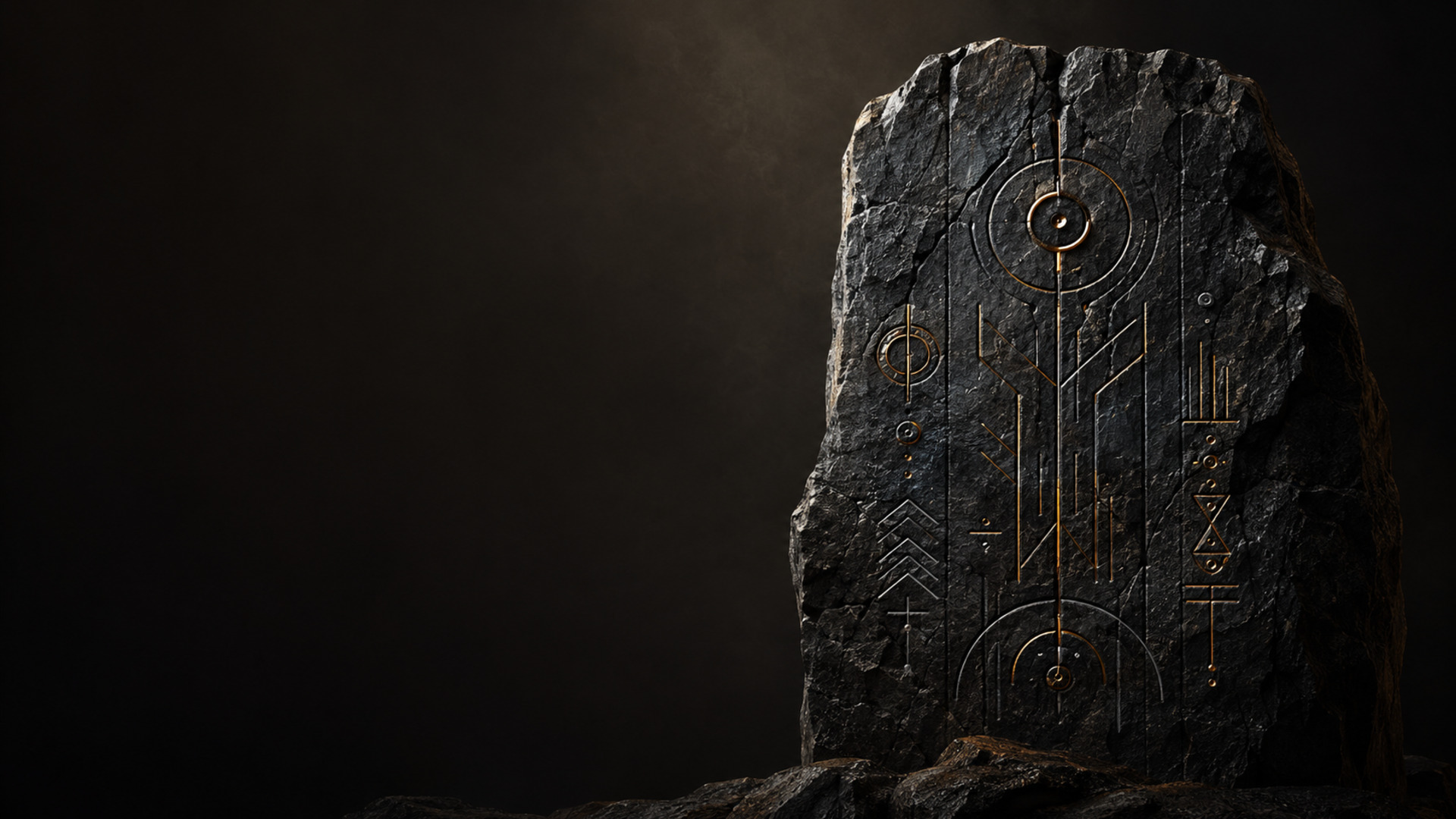
Runes – Meaning, History and Symbolism
Before words endured,
signs were carved.
Runes are the ancient written characters of the Germanic languages – carved into wood, metal and stone. As a symbol, they stand for origin, message and the power of the written sign.
Discover personal symbolism →Origin
The oldest runic inscriptions date from the first centuries AD. The row of signs is called "Futhark" after its first six characters.
Runes were carved, not written – into wood, bone, metal and stone. Their angular form is the form of their material.
Use in Jewelry
Even in antiquity, people wore runes on jewelry: fibulae, amulets and gold bracteates bear names, wishes and protective formulas.
Today, runes are worn as engravings – often a name or a single sign with personal meaning. What matters is a conscious, respectful design.
Symbolic Meaning of the Runes
Runes are script and symbol at once: each character carries a sound value – and a name that tells a meaning.
Whoever wears runes wears the North's oldest way of holding something fast: a message meant to remain.
Message
Runes were carved so that words would remain: names, wishes, remembrances.
Origin
A sign of one's own roots and the language of one's ancestors.
Mystery
"Rune" likely means secret: knowledge not open to everyone.
Protection
On amulets and bracteates, runes served as protective formulas.
Knowledge
The art of carving was skill and learning – script as power.
The Human Longing Behind the Symbol – Runes
People want to leave traces. To hold on to something that remains when their own voice has faded.
The rune carvers of the North knew this longing: their stones still speak today – often in memory of a person who was not to be forgotten.
Perhaps that is precisely what explains the special power of the runes. They stand for the oldest promise of writing: what is carved remains.
At the same time, a mystery surrounds the runes. Their very name points to knowledge that is whispered rather than proclaimed – meaning that not everyone can read.
That is exactly why people often choose runes for something deeply personal: a name, a remembrance, a message that only the initiated understand.
The History of the Runes as a Symbol
From the Elder Futhark through the rune stones of the Viking Age to today's rediscovery: runes tell almost two millennia of the history of writing.1
The Elder Futhark
The oldest runic row comprises 24 characters.
Read more
From the 2nd century AD onward, the first runic inscriptions appear – on weapons, combs and fibulae. The row of 24 characters is called "Futhark" after its first six sounds.1
Besides its sound value, each rune bore a name: Fehu (cattle, wealth), Ansuz (god), Raidho (journey). Script and meaning were inseparable.
Where the runes come from has not been conclusively settled – much suggests an adaptation of Mediterranean alphabets, translated into the form of carving.
Rune Stones of the Viking Age
Stones that remember people – still legible today.
Read more
In the Viking Age, thousands of rune stones were erected, most of them in memory of the dead: names, deeds and kinship, carved in stone.2
The famous Jelling stones in Denmark unite royal remembrance and Christianization in a single monument.
Rune stones are thus what memorial jewelry is on a grand scale: the refusal to forget a person.
Amulets & Protective Formulas
Runes were also considered powerful signs.
Read more
On gold bracteates and amulets of the Migration Period, runic formulas such as "alu" appear – most likely words of protection and blessing.1
The line between writing and magic was fluid: whoever could write could bind what was said.
This double face – information and effect – accounts for the fascination of the runes to this day.
Modern Times
Today, runes stand for origin – and call for care.
Read more
With the interest in Nordic history, runes are once again worn today as signs of origin and closeness to nature.
A conscious approach matters: individual signs were politically misused in the 20th century. An informed, respectful design clearly distinguishes the historical heritage from any appropriation.
Rightly chosen, runes remain what they have always been: a very personal way of holding something fast.
Runes in Jewelry
As an engraving, pendant or ring, runes make a message wearable – often so personal that only the initiated can read it.
Rune Pendant
A single sign with personal meaning, close to the heart.
Rune Ring
A name or wish in runes, carried around the finger.
Rune Engraving
A message that only two people can decipher.
From Symbol to Signature
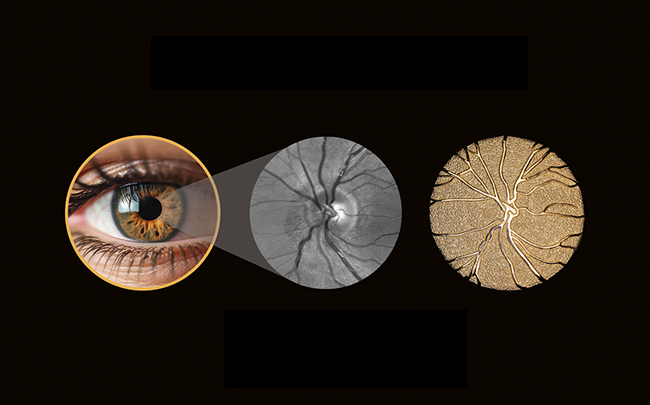
Runes are signs of a shared origin. RETINA® goes further: your own retina becomes an unmistakable signature – a script that exists only once.
The RETINA® Perspective
Runes hold fast what is meant to remain: a name, a wish, a remembrance. Yet the signs themselves are a shared alphabet – legible to everyone who has learned it. They answer the question: What should remain?
This is exactly where personal symbolism begins. Runes give the message a form. A RetinaSignature makes the sender unmistakable. For the retina is itself a kind of script – except that it needs no alphabet and belongs to one single person only.
From the Runes to the RetinaSignature
Runes can hold a message fast. A RetinaSignature shows which person stands behind that message – as unique as their retina.
Discuss personal jewelry →Related RETINA® Pages


Related Symbols

Frequently Asked Questions About the Runes Meaning
What do runes mean as a symbol?
Runes stand for origin, language and mystery – for messages meant to remain. They are the ancient written characters of the Germanic languages.
Where do the runes come from?
The oldest inscriptions date from the first centuries AD. Much suggests an adaptation of Mediterranean alphabets, adjusted to carving in wood and stone.
What is the Futhark?
The runic row, named after its first six characters (f, u, th, a, r, k). The Elder Futhark comprises 24 runes, the Younger Futhark of the Viking Age 16.
What does the word "rune" mean?
It is usually associated with "secret" or whispered speech – knowledge not open to everyone.
Do individual runes have their own meanings?
Yes, each rune bears a name with a meaning: Fehu stands for wealth, Ansuz for god, Raidho for journey. Sound value and symbol belong together.
What are rune stones?
Raised stones with runic inscriptions, mostly from the Viking Age – most of them in memory of the dead. The Jelling stones in Denmark are famous.
What do runes mean in jewelry?
In jewelry, runes stand for origin and for deeply personal messages: a name, a remembrance or a wish that only the initiated can read.
Can names be engraved in runes?
Yes. Names and short messages can be rendered in runes and worn as an engraving – one of the oldest forms of personal writing in jewelry.
Are runes problematic or forbidden?
Runes are a historical alphabet and as such unobjectionable. Individual signs, however, were politically misused in the 20th century; an informed, respectful design consciously sets itself apart from that.
Do runes suit memorial jewelry?
Yes. Rune stones were signs of remembrance – a name in runes can continue this tradition on a small scale and keep a person unforgotten.
Which material suits rune jewelry?
Runes work powerfully on matte, calm surfaces – in gold, white gold or platinum. The angular carved form calls for precise engraving.
Are runes more feminine or masculine?
Neither. As written characters they are open to everyone; their effect is determined by size, material and execution.
How do runes look modern?
Reduced to a single, precisely set sign or a fine line – as a typographic detail rather than a folkloric ornament.
Which symbols go well with runes?
The Celtic knot, the zodiac sign and the key extend the runes with connection, origin in the sky and mystery.
What is more personal than a rune?
Runes are a shared alphabet. A RetinaSignature is a script that belongs to one person only – and therefore exists only once.
Sources and Further Reading
Show sources on the history of the symbol
1) On the history of runic writing: Encyclopaedia Britannica: Runic alphabet
2) On the Jelling rune stones: Jelling stones, Wikipedia
3) Overview of runes and the Futhark: Runes, Wikipedia


Jewelry That Makes Meaning Visible
A symbol can open a story. A RetinaSignature makes it personal. Discover jewelry that gives identity, memory and connection an unmistakable form.
Get in touch →