

Celtic Knot – Meaning, History and Symbolism
A band without beginning.
A sign of connection that endures.
The Celtic knot is one of the most beautiful endless patterns in the history of art. Its unbroken line makes it a powerful symbol of relationships, origin and loyalty.
Discover personal symbolism →Origin
Knot and interlace patterns became visible in the Insular art of Ireland and Britain – on stone crosses, metalwork and manuscripts. They feel like ordered movement: a line that carries itself and never breaks.
The historical power of this symbol lies in the fact that it does not explain but condenses: it makes an attitude, a relationship or a wish visible.
Use in Jewelry
In jewelry, the Celtic knot appears as a pendant, ring motif, engraving, relief or fine detail. What matters is the balance between legibility and restraint.
In gold, platinum or two-tone, the interlace looks precious when it does not merely decorate but carries a personal meaning.
The Symbolic Meaning of the Celtic Knot
The Celtic knot is a single line, endlessly interlacing. That is precisely its message: everything is connected.
Each of its meanings tells of this one idea – in five different ways.
Eternity
A line without beginning or end – the image of a connection that never ceases.
Connection
Threads that interweave: life paths that hold one another.
Protection
The dense, indissoluble weave was considered a sign that keeps misfortune away.
Loyalty
What is knotted together does not come undone: a quiet promise.
Life Paths
Paths that cross, part and find each other again – without losing their connection.
The Human Longing Behind the Symbol – Celtic Knot
People long for connections that hold: to a partner, to family, to their own origins.
Yet in a time when so much has become terminable, constancy almost feels like a promise from another world.
Perhaps this is exactly what explains the special power of the Celtic knot. It does not describe the beginning of a connection, but the art of staying connected.
Its line crosses itself, seems to lose its way – and yet always finds its way back. Long relationships run the same course: not straight, but connected.
This is precisely why people often choose the Celtic knot for what is meant to last: a partnership, a family, the bond with their own origins.
The History of the Celtic Knot as a Symbol
The following stages show how the interlace has preserved its meaning across culture, religion, ornament and modern design.1
Early Middle Ages
In Insular art, interlace was raised to mastery.
Read more
From the 7th century onward, the Insular art of Ireland and Britain refined interlace ornament to the highest precision – on stone crosses, brooches and liturgical objects.1
The endless line arose from strict geometry: crossings over and under follow an exact rhythm that holds the pattern together.
Even then, one truth applied: the beauty of the knot lies not in the single motif, but in the connection.
The Book of Kells Tradition
Illuminated manuscripts condensed the pattern into a reading of the world.
Read more
In manuscripts such as the Book of Kells (around 800), Christian imagery, animal ornament, spirals and interlace merge into a highly condensed visual order.2
Entire pages consist of knots whose lines can be traced flawlessly across centimeters – devotion in the form of precision.
Here, the endless pattern became the image of a world in which nothing exists without the other.
Ornament & Craftsmanship
As a goldsmith's motif, the line becomes physical.
Read more
As an ornament, the knot is particularly suited to the goldsmith's craft: engraving, relief, filigree or an openwork form let the line take on physical presence.
The challenge lies in consistency: a convincing knot sustains the logic of over and under crossings without a single gap.
It is precisely this craftsman's rigor that distinguishes a meaningful piece of jewelry from mere decoration.
Modern Times
Today the knot stands for loyalty, family and origin.
Read more
With the Celtic revival of the 19th and 20th centuries, interlace returned to jewelry and everyday culture – as a sign of origin and identity.
Today the Celtic knot is often chosen for connections that are not linear but interwoven: partnership, family, friendship.
Its message remains: staying connected is an art – and it has a form.
The Celtic Knot in Jewelry
As a jewelry motif, the Celtic knot becomes especially precious when the form is not arbitrary. Its symbolism calls for craftsman's precision, fine material and a personal connection.
Pendant
As a pendant, the knot rests close to the body, like a quiet anchor of connectedness.
Ring
As a ring motif, the endless line becomes the form of loyalty: no beginning, no end, no interruption.
Bracelet
On a bracelet, the knot accompanies everyday life as a sign of stability, origin or a promise.
From Symbol to Signature
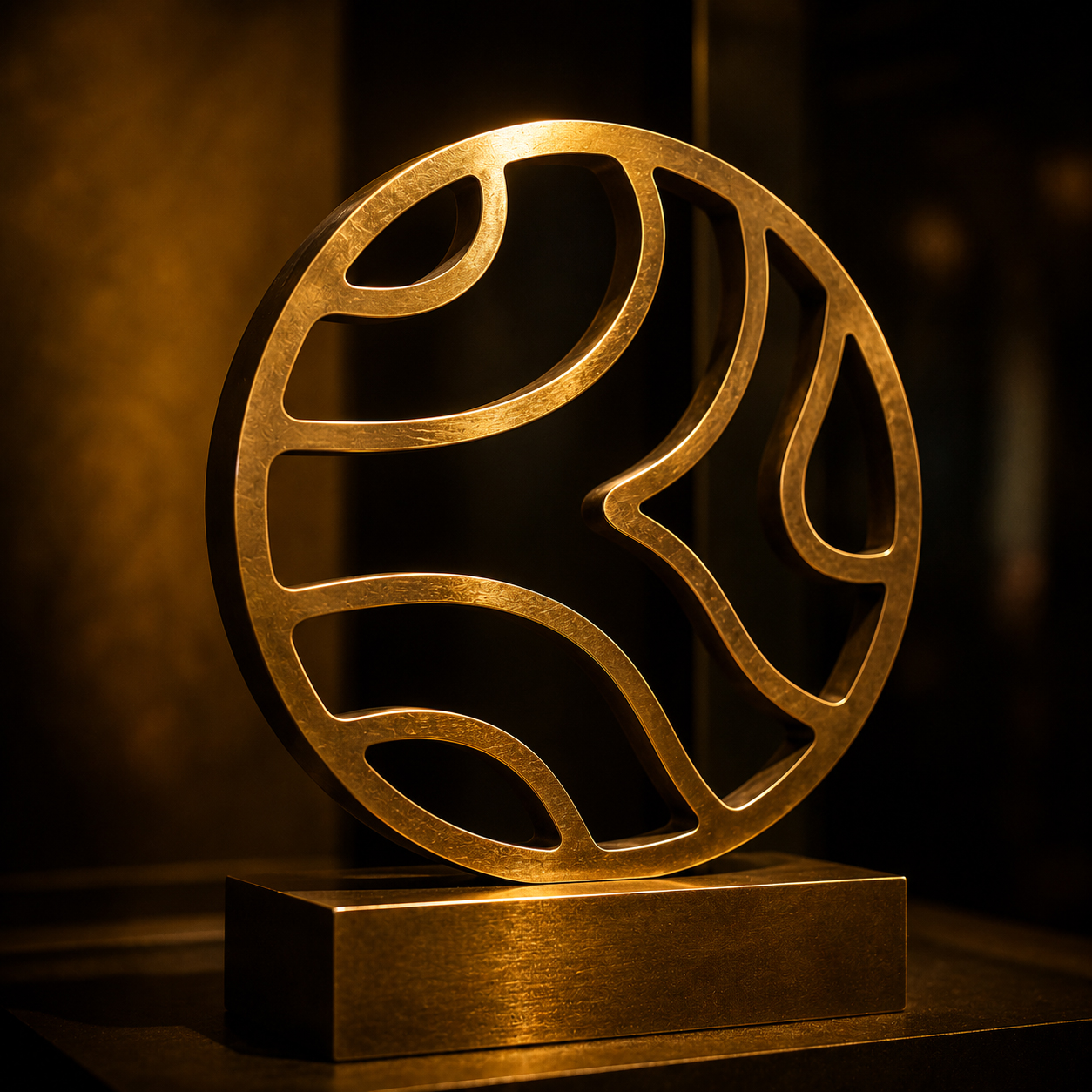
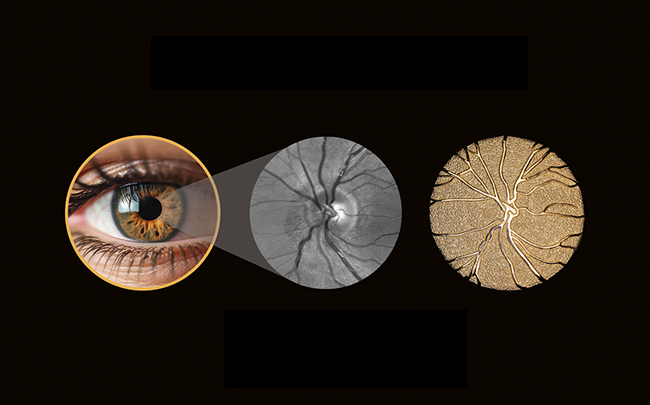
The Celtic knot is a universal sign. RETINA® goes further: the fine, interwoven lines of your own retina become an unmistakable signature in themselves.
The RETINA® Perspective
The Celtic knot makes connectedness visible. Yet it does not tell who is connected – which people, which paths, which story. It answers the question: What holds my life together?
This is exactly where personal symbolism begins. The knot gives connection a form. A RetinaSignature shows which person is meant. And there is a quiet kinship: the retina, too, is a fine weave of lines – except that in every human being it is unique.
From the Celtic Knot to the RetinaSignature
The Celtic knot can make connectedness visible. A RetinaSignature shows which person – and which story – stands behind that connection.
Discuss personal jewelry →Related RETINA® Pages


Related Symbols


Frequently Asked Questions About the Celtic Knot
What does the Celtic knot mean as a symbol?
The Celtic knot stands for eternity, connectedness, protection and the interweaving of life paths. Its unbroken line makes it a powerful symbol of relationships, origin and loyalty.
Where does the Celtic knot come from?
From the Insular art of Ireland and Britain: from the 7th century onward, interlace appears on stone crosses, metalwork and in manuscripts such as the Book of Kells.
What does the endless line mean?
The line without beginning or end stands for continuity: connections, cycles and relationships that do not break.
Are there different Celtic knots?
Yes, many: from the triangular knot (Triquetra) to the Dara knot to complex interlace panels. The basic idea – an interwoven endless line – is common to them all.
What is the difference between a Celtic knot and a Triquetra?
The Triquetra is a specific Celtic knot made of three interlaced arcs and is often associated with trinities. The term Celtic knot covers the whole spectrum of interlace patterns.
What is the difference between a Celtic knot and a love knot?
The love knot joins two threads into a symbol of a couple. The Celtic knot is usually a single interlaced line and stands more broadly for eternity and interwoven life paths.
What does the Celtic knot mean in jewelry?
In jewelry, the weave stands for a meaning you can wear: loyalty, family, origin. It grows stronger when linked to a concrete memory, relationship or personal signature.
Is the Celtic knot a protective symbol?
Yes, this reading is widespread: the dense, indissoluble weave was considered a sign that keeps misfortune away and protects what is bound together.
Is the Celtic knot suitable for wedding rings?
Yes, very much so. The endless line suits a promise without end – as a continuous relief or fine engraving in the ring.
Does the Celtic knot suit memorial jewelry?
Yes. As a sign of a connection that does not break, it can express lasting closeness to a person with dignity.
Do you need Celtic roots to wear it?
No. Today the Celtic knot is worn worldwide as a sign of connectedness and loyalty – regardless of origin.
Which material suits the Celtic knot?
Gold and platinum make the weave look precious; two-tone can make two interwoven paths visible. What matters is a precise, seamless interlace logic.
How does the Celtic knot look modern?
Reduced to a clear, precisely crafted weave – less ornamental surface, more line. This keeps the historical motif contemporary.
Which symbols go well with the Celtic knot?
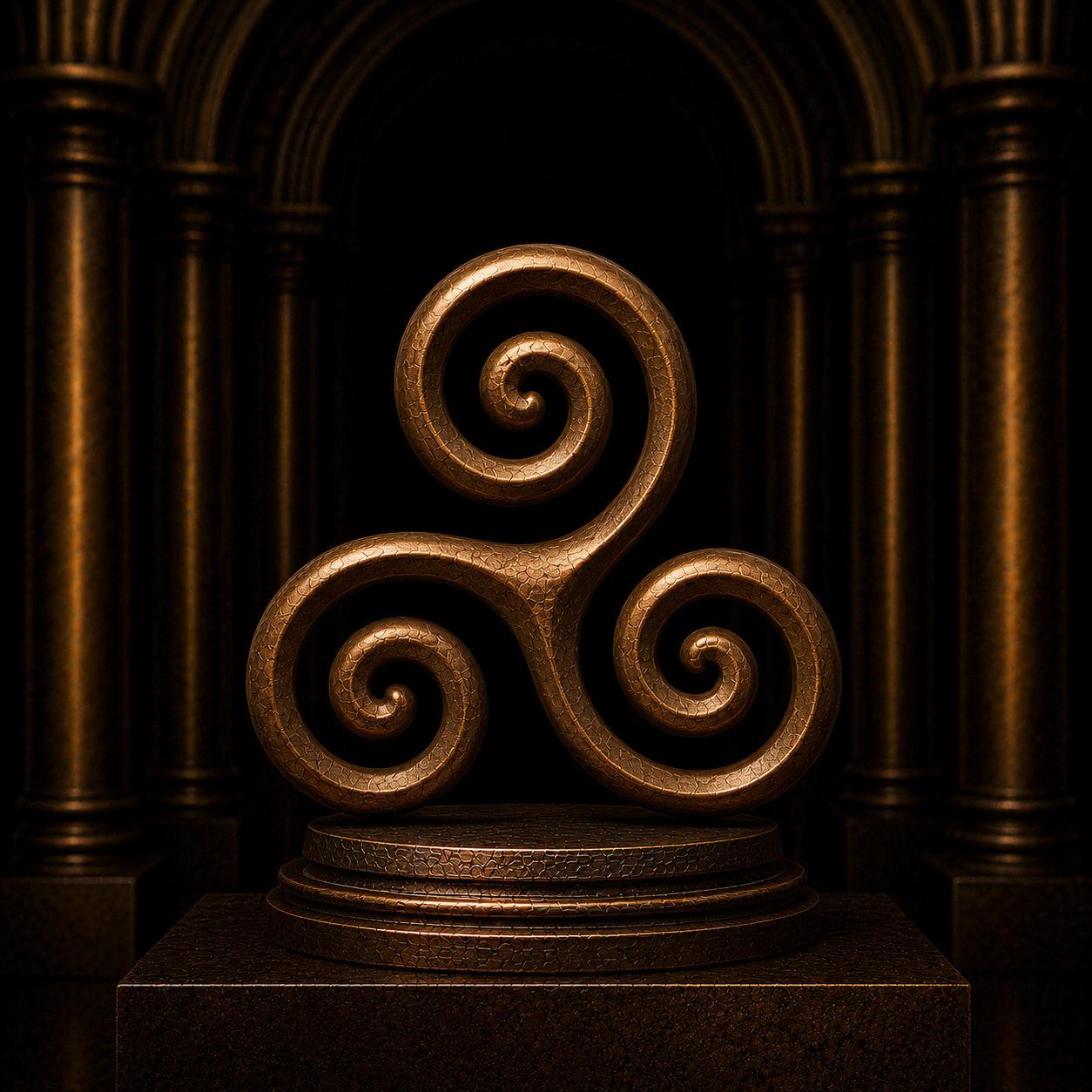
Infinity, the triskele and the tree of life extend it with eternity, change and roots.
Does the Celtic knot suit a RetinaSignature?
Yes. The symbol gives meaning a culturally legible form; the RetinaSignature turns it into the unique sign of one particular person.
Sources and Further Reading
Show sources on the history of the symbol
1) On Celtic knots and Insular art: Celtic knot, Wikipedia
2) On the Book of Kells and its ornamentation: Book of Kells, Wikipedia
3) On the history of jewelry and ornament: Victoria and Albert Museum: A History of Jewellery


Jewelry That Makes Meaning Visible
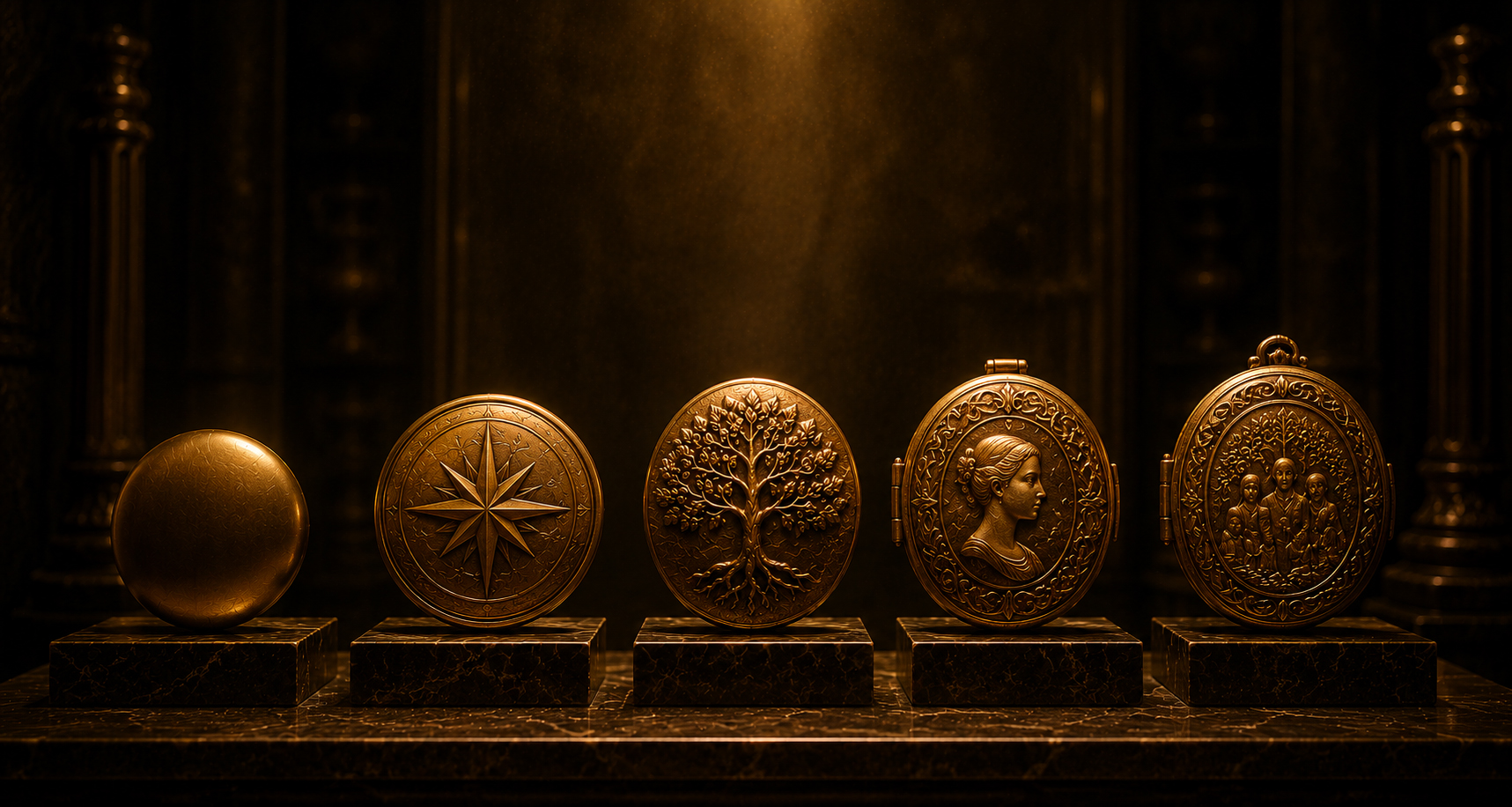
A symbol can open a story. A RetinaSignature makes it personal. Discover jewelry that gives identity, memory and connection an unmistakable form.
Get in touch →