
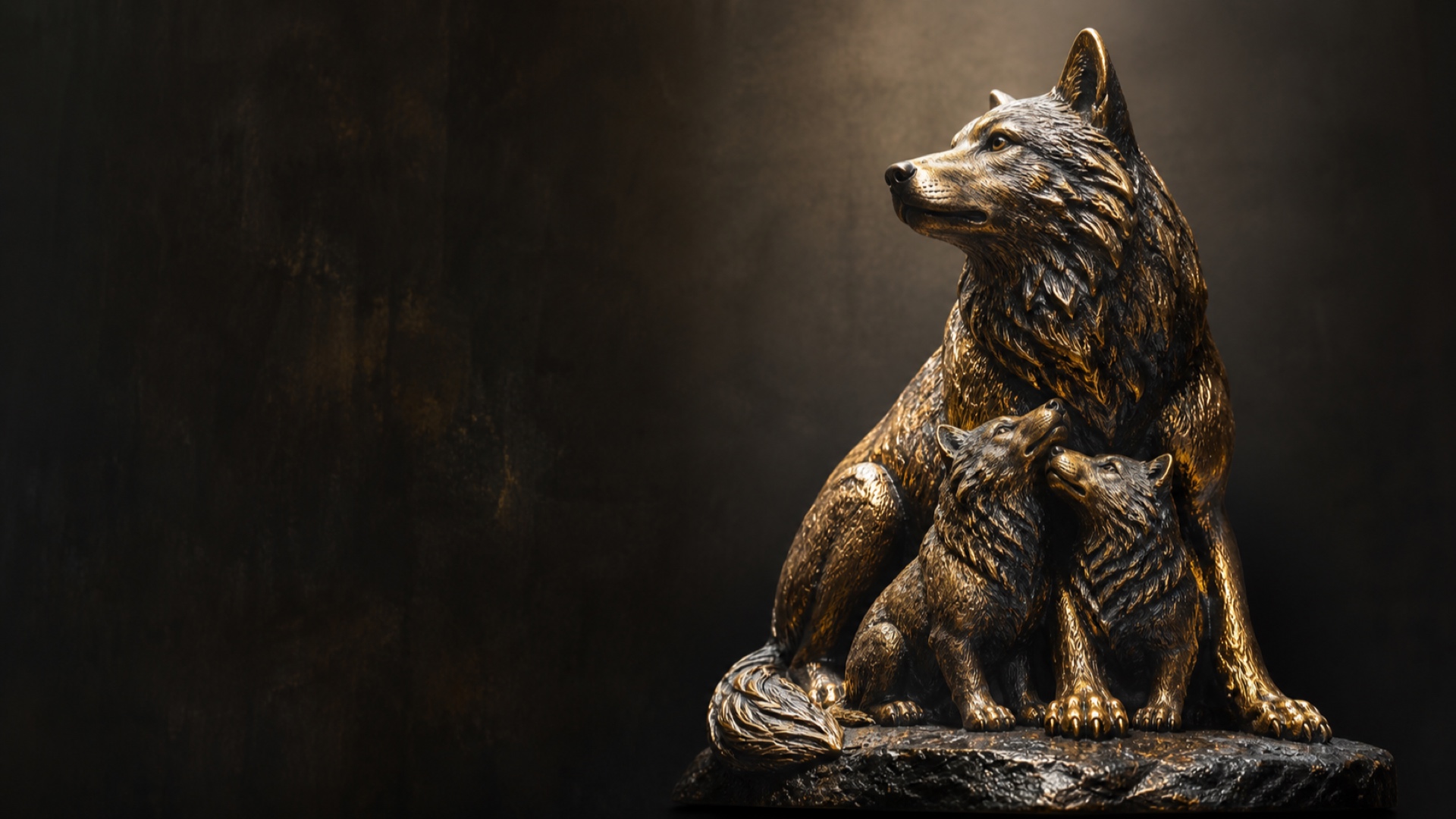
Wolf – Meaning, History and Symbolism
Feared, hunted – and missed.
The wolf is the mirror of our wildness.
The wolf stands for loyalty, freedom and community without rigid hierarchy. In it, we recognize what we have lost – and what we long to regain.
Discover personal symbolism →Origin
The wolf has accompanied and unsettled humankind since time immemorial: the Roman she-wolf suckled Romulus and Remus, the Norse Fenrir threatens the gods, and among the Lakota the wolf is teacher and brother.
Recent research also shows that the pack is not a fighting hierarchy but a family: led by the most experienced parent pair, cooperative and communicative. From this way of life grows its symbolism – loyalty and cohesion as much as the courage to stand on one's own.
Use in Jewelry
In jewelry, the wolf appears as a pendant, ring, bracelet or engraving – as a howling silhouette, a head in profile or in geometric abstraction. As early as Germanic times, the wolf's head was a motif of status.
Finely crafted, the wolf does not look wild or loud, but calm and dignified – especially as a reduced, clear motif for people who live loyalty and freedom at once.
Symbolic Meaning of the Wolf
The wolf is never merely a sign of wildness. Depending on the context, it stands for loyalty and cohesion, for freedom and independence, for instinct or for the courage to be wild and vulnerable at once.
Its power lies in its dual nature: it is the most loyal and at the same time the freest animal – pack and lone wolf in one.
Loyalty
A bond that holds through crises – the essence of the pack.
Pack & Family
Community without rigid hierarchy, led by experience.
Freedom
The courage to go your own way, even apart from the herd.
Instinct
Trust in the inner voice that knows the way.
Courage
The strength to be wild and vulnerable at once.
The Human Longing Behind the Symbol – Wolf
For many people, the wolf is first of all a sign of wildness. Yet its true depth lies in its dual nature: it is at once the most loyal and the freest animal – pack and lone wolf in one.
In 'Steppenwolf', Hermann Hesse described precisely this in-between position: a consciousness that suffers between social conformity and wild freedom. This tension is deeply human.
Perhaps that is why the wolf is chosen by two very different kinds of people: those who celebrate their freedom, and those who celebrate the loyalty of their pack.
In psychology, the wolf stands for the wild forces that are not to be killed but consciously integrated. Only then do they become true strength.
The wolf can say: I belong – and I remain free.
The History of the Wolf as a Symbol
Hardly any animal has stirred the human imagination as deeply as the wolf: feared and hunted, revered and missed. From the Roman she-wolf to the Norse Fenrir to the brother of the Lakota, it wears two faces at once.1
Zoology & Pack
New research shows: the wolf pack is not a fighting hierarchy but a family.
Read more
For a long time, the image of the 'alpha wolf' fighting its way to the top prevailed. The wolf research of L. David Mech corrected it: the pack is a family unit, led by the parent pair – not by the strongest fighter, but by the most experienced parents.1
Wolves are cooperative, empathetic and communicative: they show compassion toward injured pack members and pronounced play behavior.
This scientific revision has deepened the wolf's symbolism: it stands not for raw power, but for family bonds, intuition and the courage to be independent within the community.
Mythology
From the Roman she-wolf to the Norse Fenrir: origin and adversary at once.
Read more
In the Roman founding legend, a she-wolf (Lupa) suckled Romulus and Remus – the animal as wet nurse of the civilized world.2 The origin of Rome lies with a creature that was later considered an enemy.
In Norse mythology, Fenrir, the cosmic wolf, is one of the mightiest adversaries of the gods: he is destined to devour Odin at Ragnarök. At the same time, Odin's faithful companions are two wolves, Geri and Freki.
The wolf is thus both – destroyer and faithful companion. This ambivalence belongs inseparably to it.
Indigenous Cultures & Middle Ages
Brother and teacher among the Lakota, feared enemy in medieval Europe.
Read more
In the Lakota tradition of North America, the wolf is a teacher and brother of humankind: it shows hunting strategies, watches over the sick and runs at the side of the warriors. It is one of the most important totem animals.
In the German-speaking world, by contrast, the wolf was the most feared animal of the Middle Ages. Between 1400 and 1800, hundreds of thousands were killed in Germany alone.
The Grimms' tale of Little Red Riding Hood (1812) is the literary sediment of this fear – and shows how deeply ambivalent the European soul remained toward the wolf.
Jewelry & Modernity
From the Germanic animal style to the most chosen motif of modern unisex jewelry.
Read more
In Celtic and Germanic ornamentation, wolf-like animals appear in the 'animal style' on fibulae and helmet fittings. The wolf's head as a clasp motif on arm rings and torques was a status symbol.3
Hermann Hesse's 'Steppenwolf' (1927) made the wolf the image of an inner in-between position – half conforming, half wild. C. G. Jung interpreted the wolf as a shadow archetype: wild energy that wants to be integrated, not killed.
Since around 2010, the wolf has been one of the fastest-growing motif categories – as a howling silhouette, a head in profile or in geometric abstraction, especially in unisex and men's jewelry.
The Wolf in Jewelry
As a pendant, ring or bracelet, the wolf remains timeless when its design is clear and reduced. It unfolds its effect especially as a calm, dignified motif.
Wolf Pendant
Worn close to the body, the wolf becomes a quiet sign of loyalty and freedom.
Wolf Ring
Several wolves for a partnership, a family or a group that holds together.
Wolf Bracelet
As an engraving or silhouette, the wolf carries its meaning in every gesture of everyday life.
From Symbol to Signature
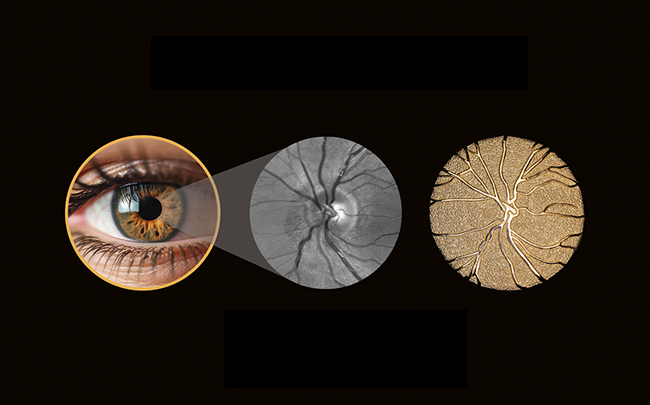
The wolf is a universal sign. RETINA® goes further: instead of making a familiar symbol more personal, your own retina itself becomes an unmistakable signature.

The RETINA® Perspective
The wolf answers a universal question: how do loyalty and freedom belong together? It can embody loyalty, family, wildness and instinct. But it does not yet say which pack or which path stands behind it in your life.
This is exactly where personal symbolism begins. The wolf gives an attitude a form. A RetinaSignature connects this form with a specific person. Thus a familiar sign becomes a piece of jewelry that exists only once.
From the Wolf to the RetinaSignature
A wolf can make loyalty and freedom visible. A RetinaSignature can show which person, which pack or which path stands behind it.
Discuss personal jewelry →Related RETINA® Pages


Related Symbols

Frequently Asked Questions About the Wolf Symbol Meaning
What does the wolf mean as a symbol?
The wolf stands for loyalty, family bonds, freedom and instinct. As the animal of the pack, it unites loyalty to its own with the courage to be independent.
Why does the wolf stand for loyalty?
Because the wolf pack is a family unit that holds together. Recent research shows: it is led not by the strongest fighter, but by the most experienced parent pair.
What does a wolf mean in jewelry?
Wolf jewelry usually stands for loyalty, freedom or belonging to a pack. It is especially powerful as a reduced, dignified motif.
Is the wolf a symbol of freedom or family?
Both. The wolf carries a dual nature: it is the most loyal and at the same time the freest animal – pack and lone wolf in one.
What does the wolf mean in mythology?
It is origin and adversary at once: the Roman she-wolf suckled Romulus and Remus, while the Norse Fenrir threatens the gods. Ambivalence is part of its nature.
Is the image of the alpha wolf true?
No. The wolf research of L. David Mech corrected it: the pack is not a fighting hierarchy but a family, led by the most experienced parent pair.
What does Hermann Hesse's Steppenwolf mean?
Hesse's novel of 1927 made the wolf the image of an inner in-between position: a consciousness that suffers between social conformity and wild freedom.
Is the wolf a spiritual symbol?
In many indigenous cultures, yes: among the Lakota, the wolf is a teacher, a brother and one of the most important totem animals. Today it is mostly worn in a secular way as a sign of loyalty and freedom.
Is wolf jewelry timeless?
Yes, if the design stays clear. A reduced, precisely crafted wolf looks more timeless than a very loud motif.
Does the wolf suit partner or family jewelry?
Yes. Several wolves can form a pack – for a partnership, a family or a group that has held together through crises.
Which material suits wolf jewelry?
Gold and platinum give the clear silhouette calm and dignity. Matte or finely textured surfaces can suggest the fur without looking loud.
Is the wolf more masculine or feminine?
Neither. Since around 2010, the wolf has been one of the most popular unisex motifs – depending on the design, it looks powerful, elegant or both.
Do the wolf as a tattoo and in jewelry mean the same?
The core meanings are similar, but jewelry involves no permanent commitment and can be passed on – as the heirloom of a story.
Which symbols go well with the wolf?
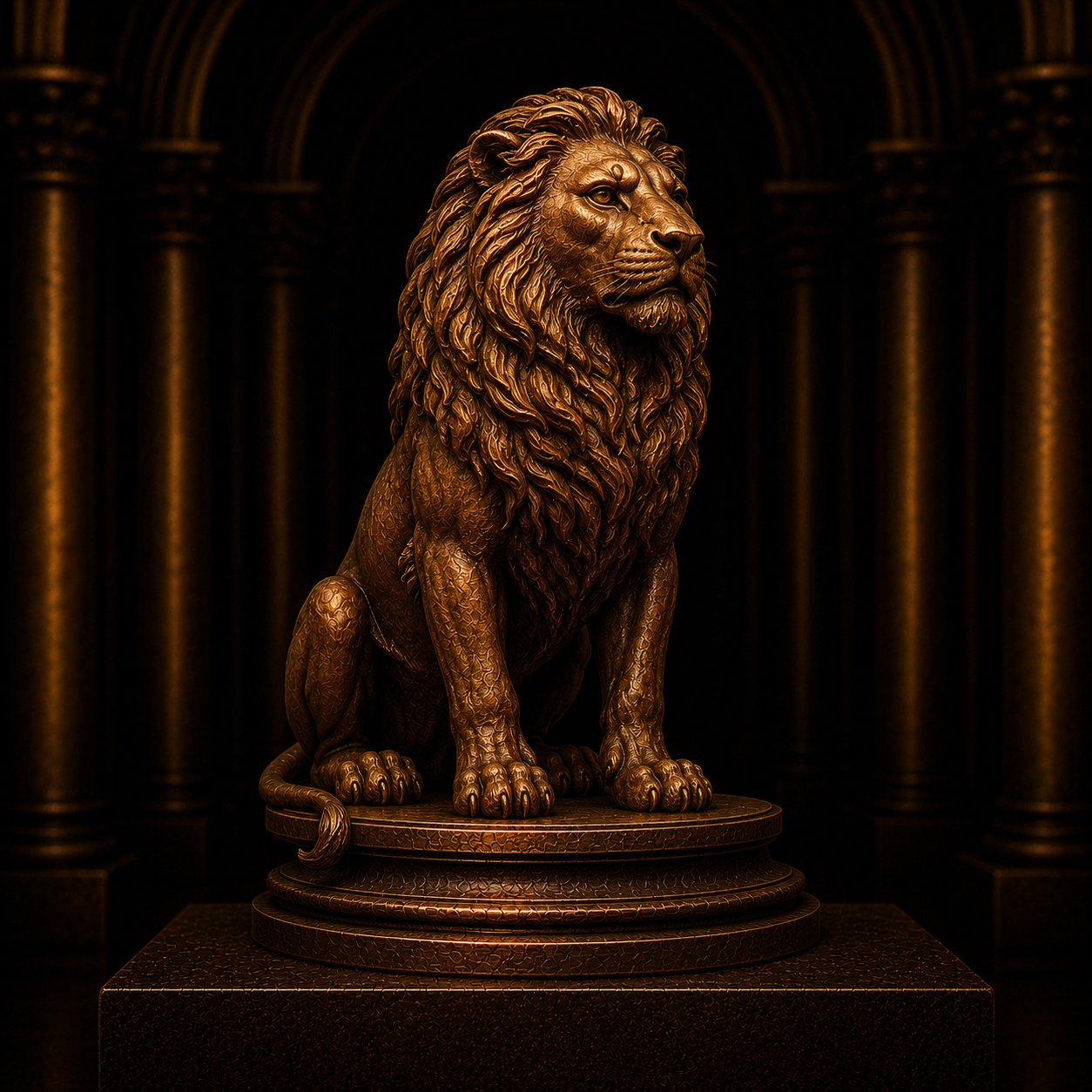
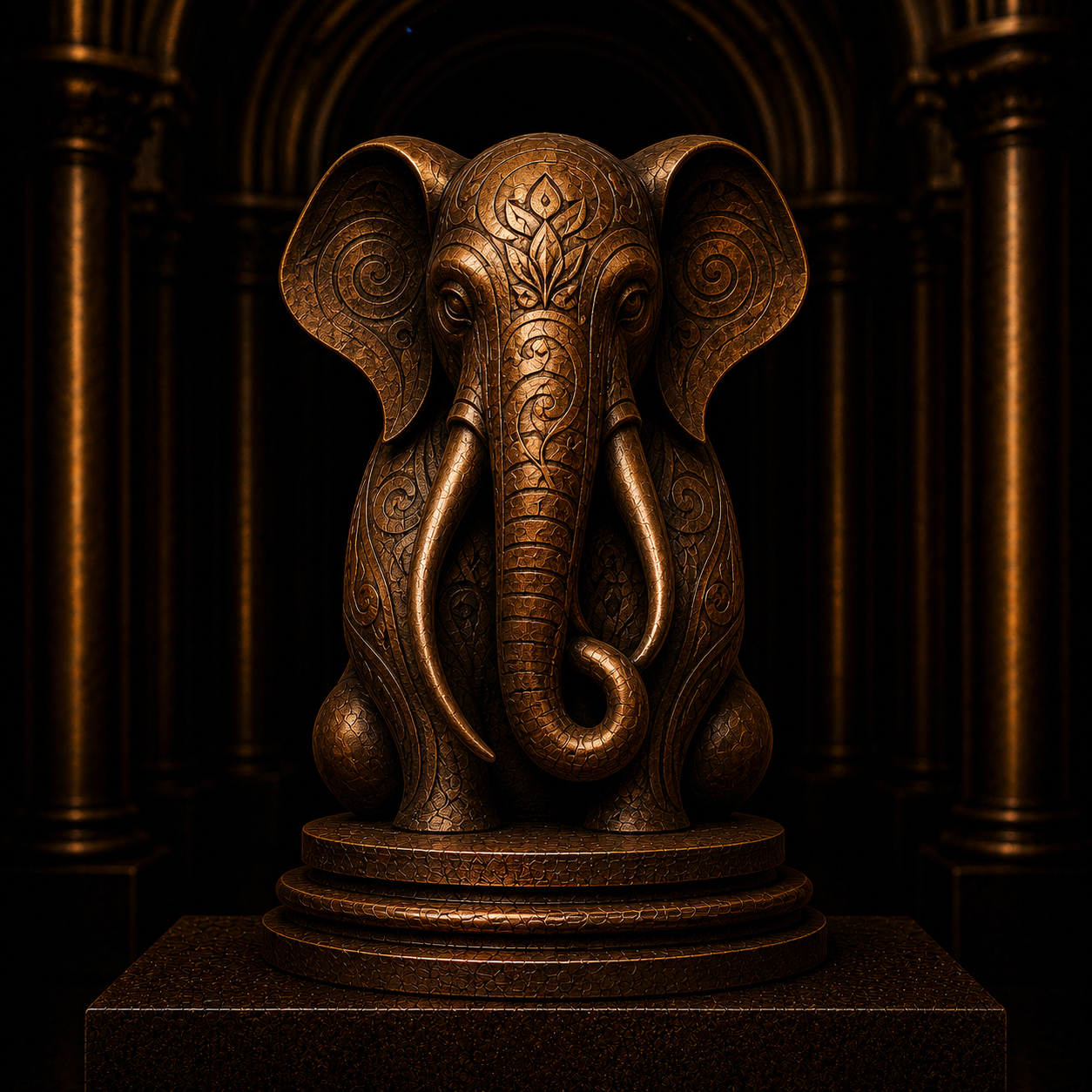
Lion, Elephant and Tree of Life extend the wolf with strength, family and roots.
What is more personal than a wolf?
The wolf stands for a universally understood idea. A RetinaSignature additionally refers to a specific person and can therefore exist only once.
Sources and Further Reading
Show sources on the history of the symbol
1) On the biology and social behavior of the wolf: Encyclopaedia Britannica: Wolf
2) On the Roman founding legend (she-wolf, Romulus and Remus): Encyclopaedia Britannica: Romulus and Remus
Victoria and Albert Museum: A History of Jewellery Victoria and Albert Museum: A History of Jewellery


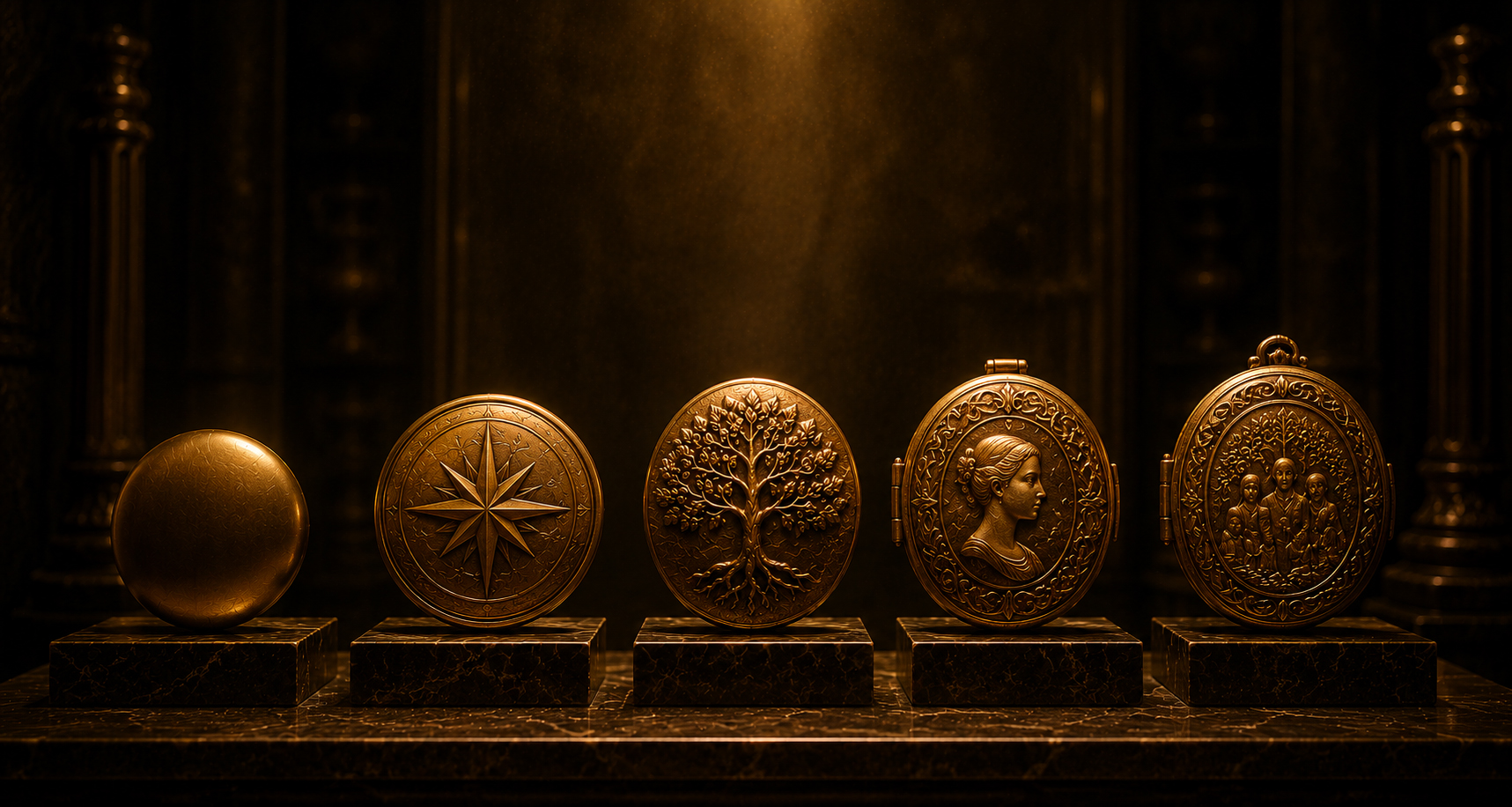
Jewelry That Makes Meaning Visible
A symbol can open a story. A RetinaSignature makes it personal. Discover jewelry that gives identity, memory and connection an unmistakable form.
Get in touch →