
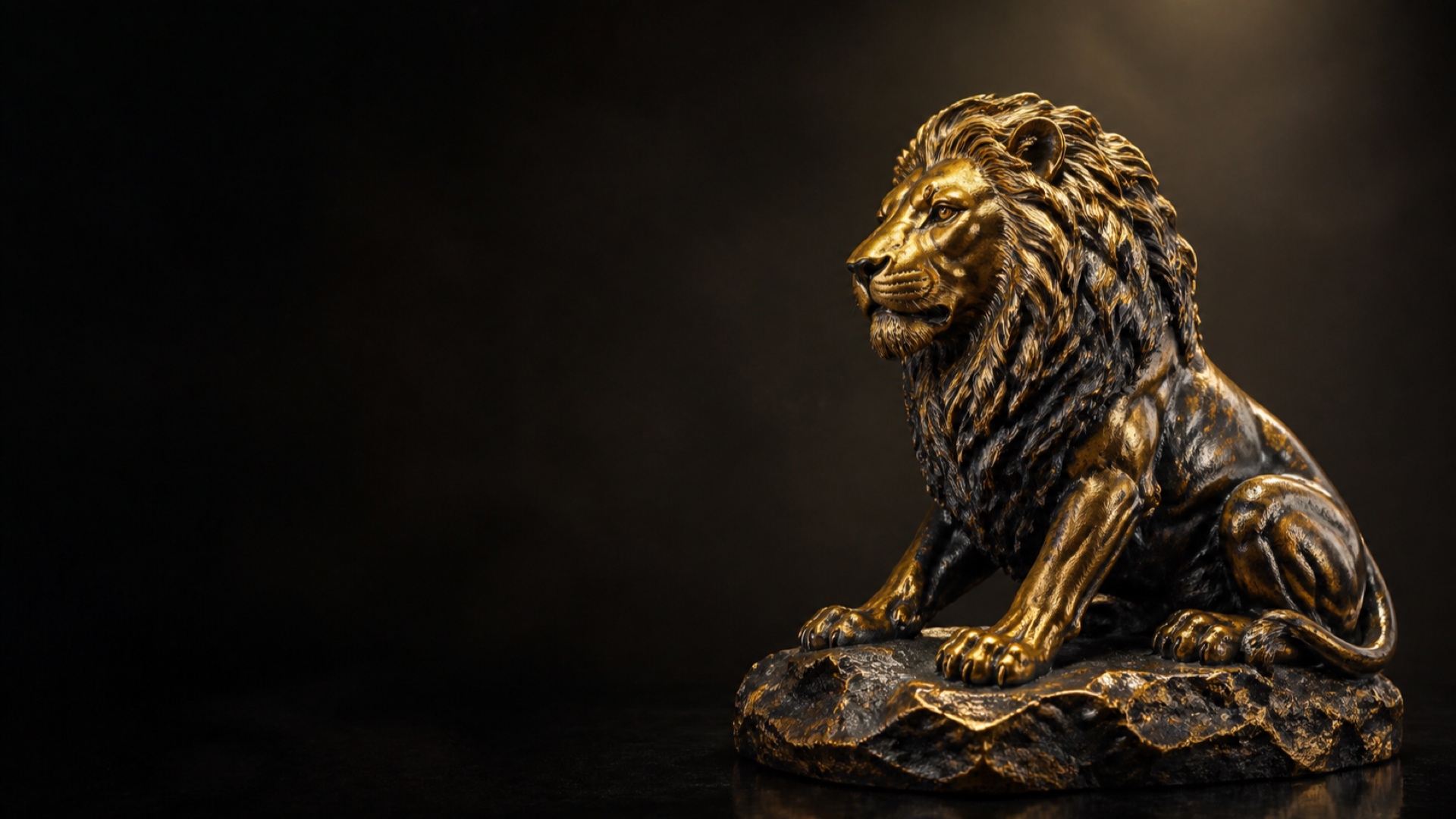
Lion – Meaning, History and Symbolism
The lion does not roar to frighten.
It says: I am here.
The core of its power is not aggression, but presence. Complete, unapologetic presence – the strength of a person who knows who they are.
Discover personal symbolism →Origin
In antiquity, the lion still ranged across North Africa, the Near East and India. Its symbolism grows out of its way of life: in the pride, the lionesses hunt while the lion defends the territory. Thus it embodies both royal power and the protection of family.
Hardly any animal has more often become an emblem of rule – and yet its deepest meaning lies not in violence, but in presence.
Use in Jewelry
In jewelry, the lion appears as a pendant, signet ring, lion's-head clasp or engraving. Since antiquity it has been among the oldest and most frequent animal motifs of the goldsmith's art.
Finely crafted, the lion does not look martial, but dignified – especially as a reduced, calm motif that does not assert strength but carries it.
Symbolic Meaning of the Lion
The lion is never merely a sign of raw power. Depending on the context, it stands for courage and autonomy, for dignity and regal calm, for strength and protection, or for a presence that does not justify itself.
Its true message is bearing: the ability to act from one's own core instead of reacting to expectations.
Courage
The power to act from one's own core instead of merely reacting.
Dignity
Regal calm that has nothing to prove.
Strength
Not brute force, but conscious, integrated strength.
Pride & Protection
The strength that safely surrounds one's own family and community.
Presence
Complete, unapologetic presence: I am here.
The Human Longing Behind the Symbol – Lion
For many people, the lion is first of all a sign of strength. Yet its true power lies deeper: it embodies not aggression, but presence – the calm certainty of being here and belonging.
The philosopher Nietzsche chose the lion as an emblem of freedom: the ability to say 'I will' – free from imposed values. The lion stands for autonomy, not for violence.
Perhaps that is why it is chosen after an obstacle overcome, after years of struggle, after a victory no one else has seen. It can say: I no longer have to prove that I am strong.
The lion's raw power must first be consciously integrated before it becomes true strength. The uncontrolled lion is destructive; the integrated lion is dignity.
In jewelry, the lion becomes especially powerful when it needs no crown: as a calm sign for a person who knows their strength.
The History of the Lion as a Symbol
The lion is the oldest and most widespread symbol of power in history. From the palace gates of Mesopotamia to the sacred scriptures to European heraldry, it stands for rule, protection and divine strength.1
Antiquity & Royal Power
The lion was the most regal animal of the ancient world.
Read more
In Mesopotamia, stone lions flanked the gates of the palaces. The famous lion-hunt reliefs of King Ashurbanipal – today in the British Museum – were not sport but a ritual of state: whoever defeats the lion proves that he is stronger than the strongest force in nature.
In ancient Egypt, the Sphinx – a lion's body with a human head – united divine wisdom with the strongest form in nature. The goddess Sekhmet, with the head of a lioness, embodied the destructive and at the same time healing power of the sun.
The Lion Gate of Mycenae, around 1250 BC, is the earliest surviving monumental relief in Europe – two lionesses as guardians of a gate.
Religion & World Cultures
From the Lion of Judah to the lion of the goddess Durga.
Read more
In the Old Testament, Judah is a lion tribe ('Judah is a lion's whelp', Genesis 49:9); in Revelation, Christ is called the 'Lion of the tribe of Judah' – the royal messianic line. C. S. Lewis took up this image in the lion figure of Aslan.
In Islam, Ali ibn Abi Talib bore the epithet 'Lion of God' – a symbol of bravery and righteousness.
In India, the lion (simha) is the mount of the goddess Durga and a sign of the power that defeats evil. The Lion Capital of Sarnath became the state emblem of modern India.
Heraldry & Nobility
In the European Middle Ages, the lion was the most widespread heraldic animal.
Read more
More than thirty percent of all European noble coats of arms show a lion. The walking lion (passant guardant) is England's oldest national symbol – on the royal seal since Henry II. The rearing lion (rampant) stands for Scotland.
Its use in the signet rings of the nobility made the lion the most frequently reproduced animal motif of medieval goldsmith's art.
In the 19th century, the lion's head established itself as a clasp motif for bracelets and chains – a classic type of jewelry to this day.
Philosophy & Modernity
For Nietzsche, the lion is the emblem of freedom.
Read more
In 'Thus Spoke Zarathustra', Nietzsche describes three metamorphoses of the spirit: the camel, which carries; the lion, which liberates; the child, which creates. The lion stands for the power to cast off the old and to say 'I will'.2
In the psychology of C. G. Jung, the lion is an archetype of raw energy that must be consciously integrated before it becomes true strength.
Today, the lion is chosen in jewelry by people who know their strength and no longer have anything to prove. It wears no crown – it does not need one.
Lion in Jewelry
As a pendant, signet ring, lion's head or engraving, the lion remains timeless when designed with clarity and dignity. Especially in reduced form, it appears stronger than any playful detail.3
Lion Pendant
Worn close to the body, the lion becomes a quiet sign of courage.
Lion Signet Ring
In the oldest tradition of the goldsmith's art: the lion as a personal seal.
Lion Bracelet
From the lion's-head clasp to the fine engraving: strength that accompanies every gesture.
From Symbol to Signature
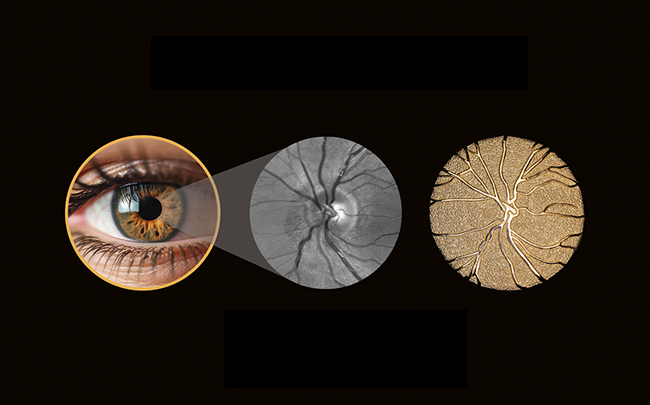
The lion is a universal sign. RETINA® goes further: instead of making a familiar symbol more personal, your own retina itself becomes an unmistakable signature.
The RETINA® Perspective
The lion answers a universal question: What is true strength? It can embody courage, dignity, protection and presence. Yet it does not tell which story in your life stands behind it.
This is exactly where personal symbolism begins. The lion gives strength a form. A RetinaSignature connects this form with a specific person. Thus a familiar sign becomes a piece of jewelry that exists only once.
From the Lion to the RetinaSignature
A lion can make courage and dignity visible. A RetinaSignature can show which person, which struggle or which victory stands behind it.
Discuss personal jewelry →Related RETINA® Pages


Related Symbols
Frequently Asked Questions About the Lion Symbol Meaning
What does the lion mean as a symbol?
The lion stands for courage, dignity, strength and presence. As the most regal animal in history, it unites protective power with calm authority – power as a bearing, not a threat.
Why is the lion a royal symbol?
Because in almost all early cultures it was considered the strongest force in nature. Whoever subdued the lion or bore it on a coat of arms claimed royal power and divine favor.
What does a lion mean in jewelry?
Lion jewelry usually stands for courage, dignity and strength. Especially as a signet ring or reduced pendant, it appears dignified rather than martial.
Is the lion only a sign of power?
No. Beyond power, the lion stands for autonomy, presence and the protection of one's own family – a strength that does not have to prove itself.
What does the lion mean in the Bible?
Judah is regarded as a lion tribe ('Judah is a lion's whelp', Genesis 49:9); in Revelation, Christ is called the 'Lion of the tribe of Judah' – the image of the royal, messianic line.
What does the lion mean in Nietzsche?
For Nietzsche, the lion is the second of three metamorphoses of the spirit: the power to free oneself from imposed values and to say 'I will'.
What does the lion mean in coats of arms and heraldry?
It is the most frequent European heraldic animal: more than thirty percent of all noble coats of arms show a lion. The walking lion stands for England, the rearing lion for Scotland.
Is the lion connected to the zodiac sign Leo?
The zodiac sign takes up the same symbolism: sovereignty, generosity and presence. Lion jewelry is therefore often also worn as a sign of one's own zodiac sign.
Is lion jewelry timeless?
Yes, if the design stays clear. A reduced, dignified lion appears more timeless than a very martial motif.
Is the lion suited to memorial jewelry?
Yes. The lion is well suited to battles overcome and turning points – especially as an engraving or as a calm, reduced motif.
Is the lion more masculine or feminine?
Neither. At Mycenae, two lionesses guard the gate, and the Egyptian Sekhmet is a lioness – the symbolism of courage and dignity is open to everyone.
Which material suits lion jewelry?
Gold underlines the sun-like, regal radiance; platinum and silver make the motif cooler and more modern. What matters is a clear, dignified design.
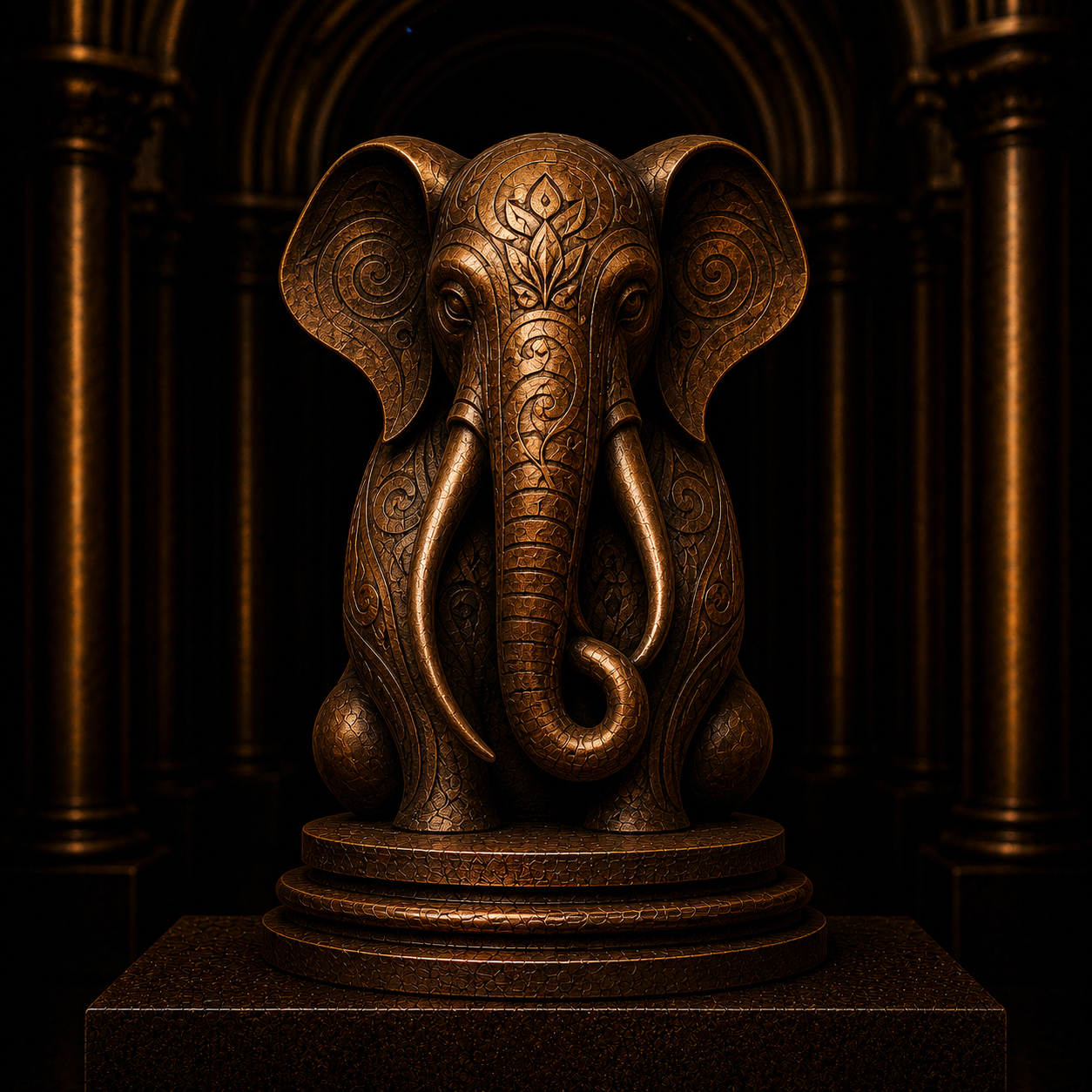
What distinguishes the lion and the elephant as symbols of strength?
The lion stands for sovereign, visible strength; the elephant for supporting, calm power – presence versus stability.
Which symbols go well with the lion?
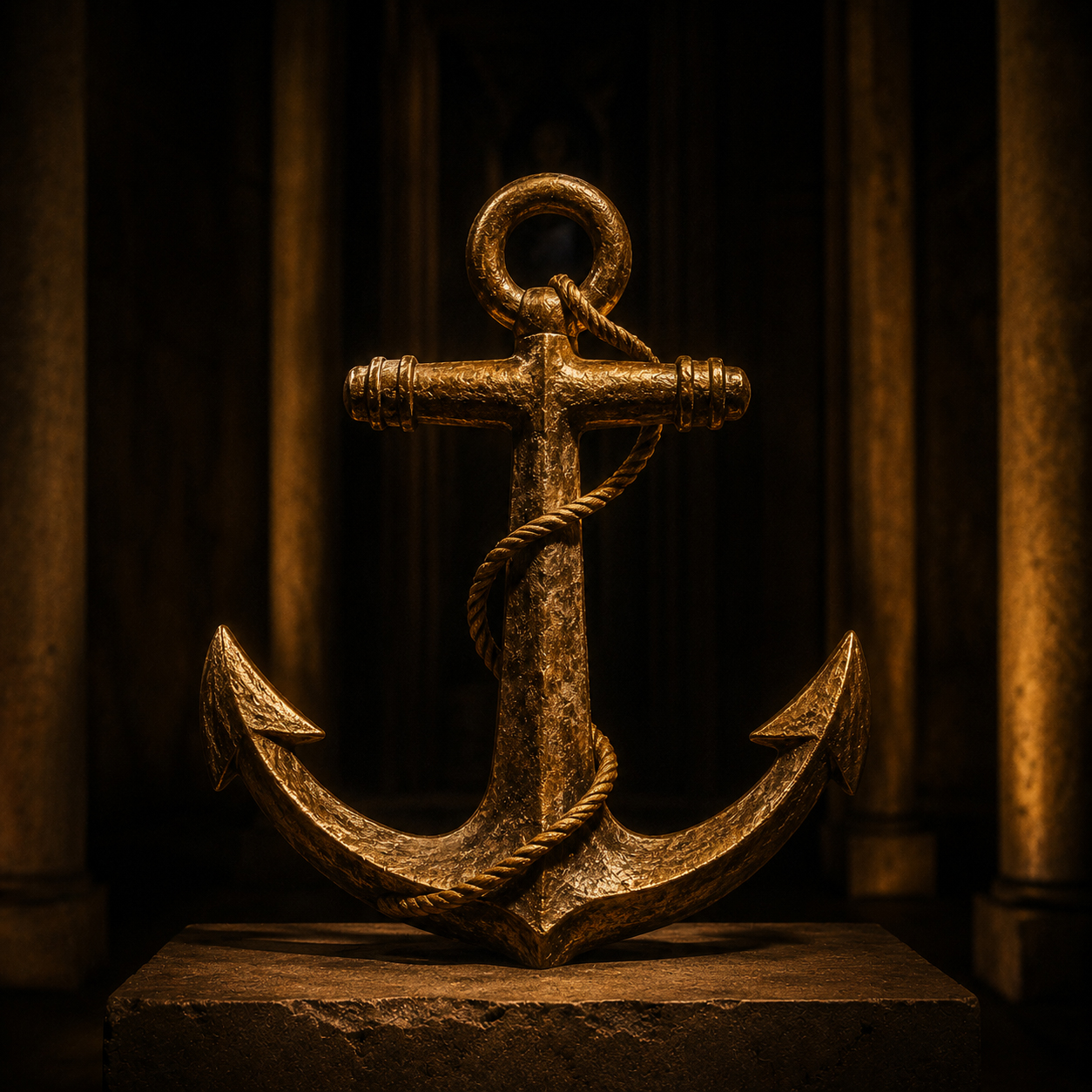
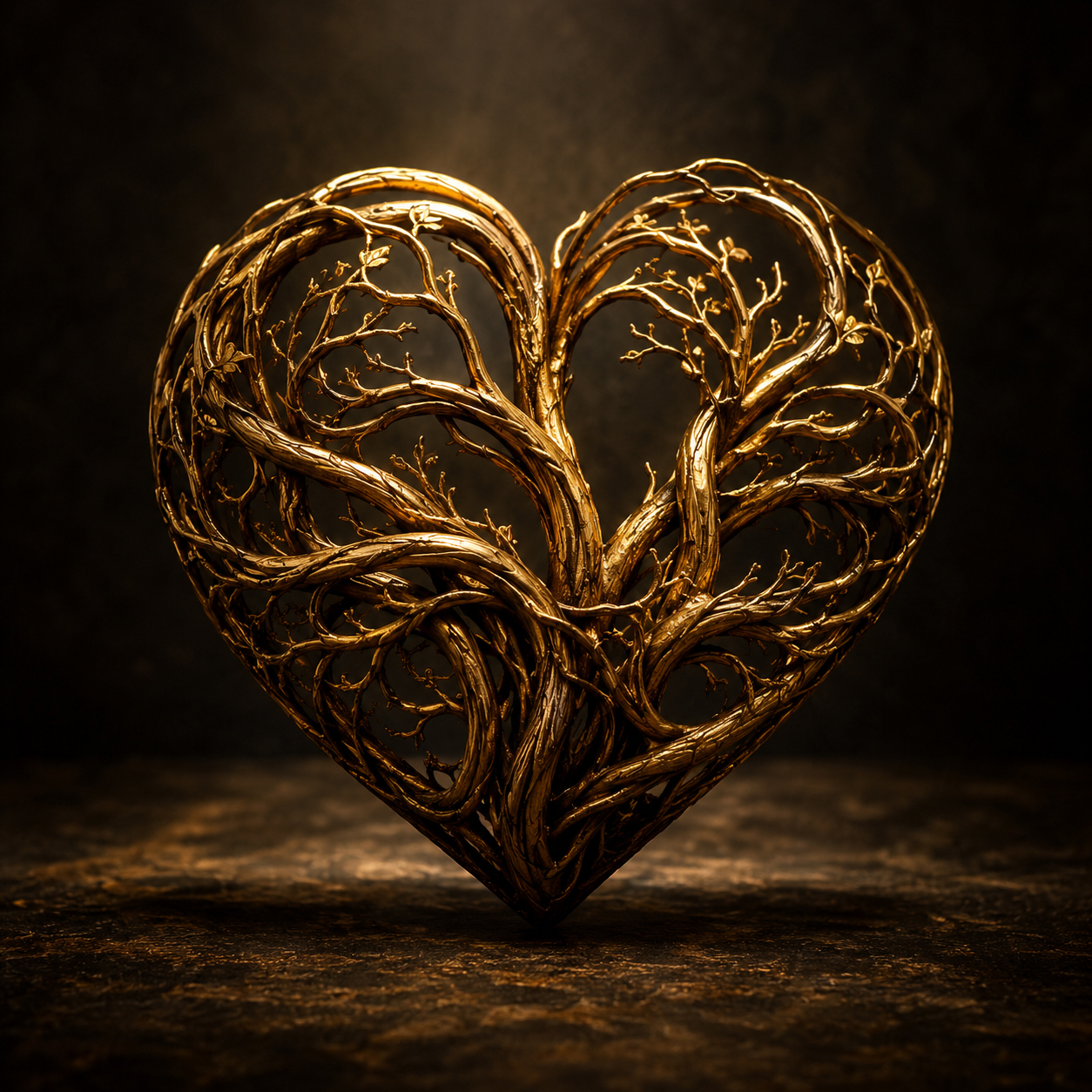
Elephant, anchor and heart extend the lion with constancy, stability and love.
What is more personal than a lion?
The lion stands for a universally understood idea. A RetinaSignature additionally refers to a specific person and can therefore exist only once.
Sources and Further Reading
Show sources on the history of the symbol
1) On the cultural and symbolic history of the lion: Encyclopaedia Britannica: Lion
2) On Nietzsche's three metamorphoses (Thus Spoke Zarathustra): Stanford Encyclopedia of Philosophy: Friedrich Nietzsche
Victoria and Albert Museum: A History of Jewellery Victoria and Albert Museum: A History of Jewellery


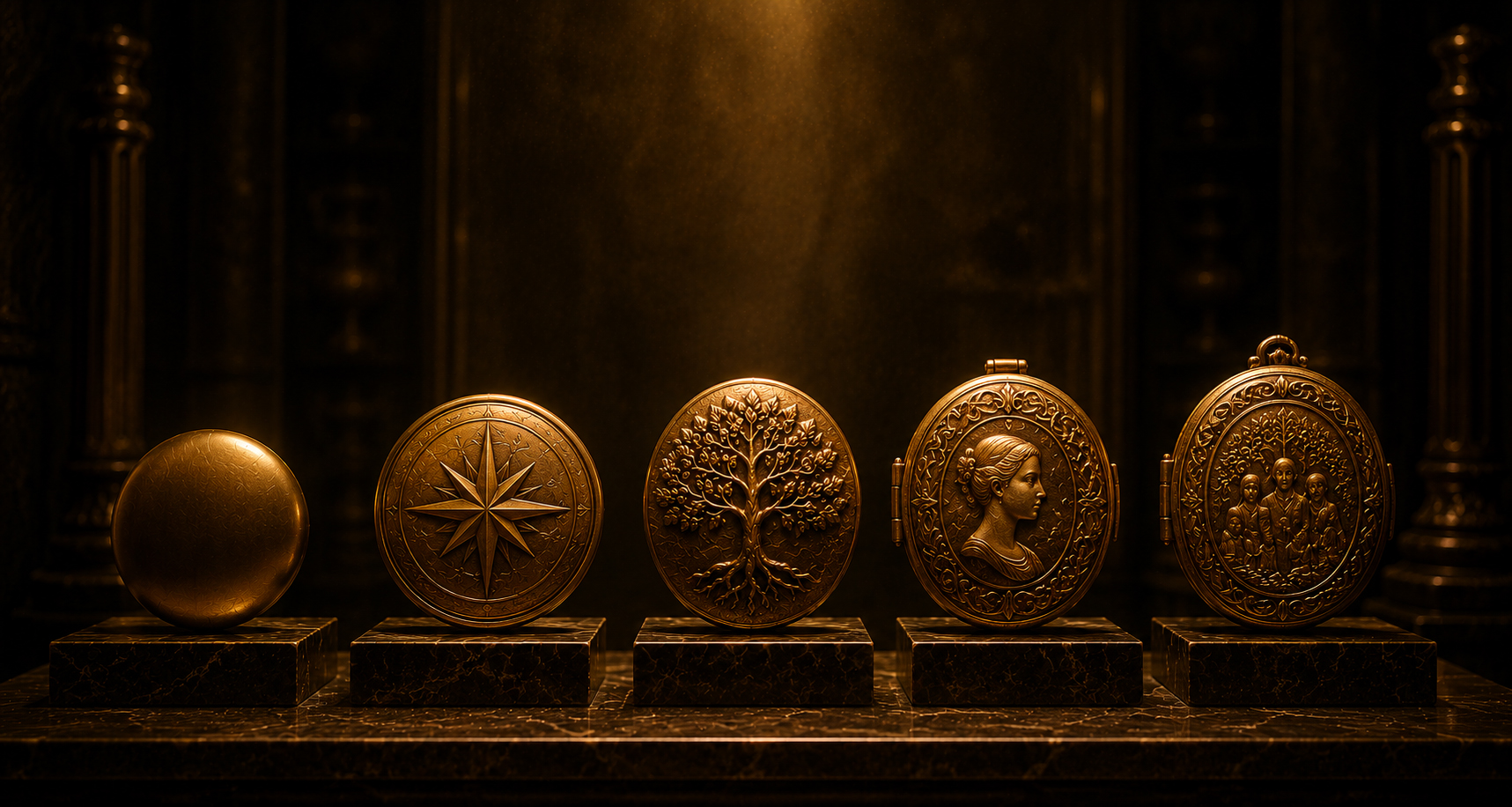
Jewelry That Makes Meaning Visible
A symbol can open a story. A RetinaSignature makes it personal. Discover jewelry that gives identity, memory and connection an unmistakable form.
Get in touch →