
Elephant – Meaning, History and Symbolism
Not everything that is strong
has to be loud.
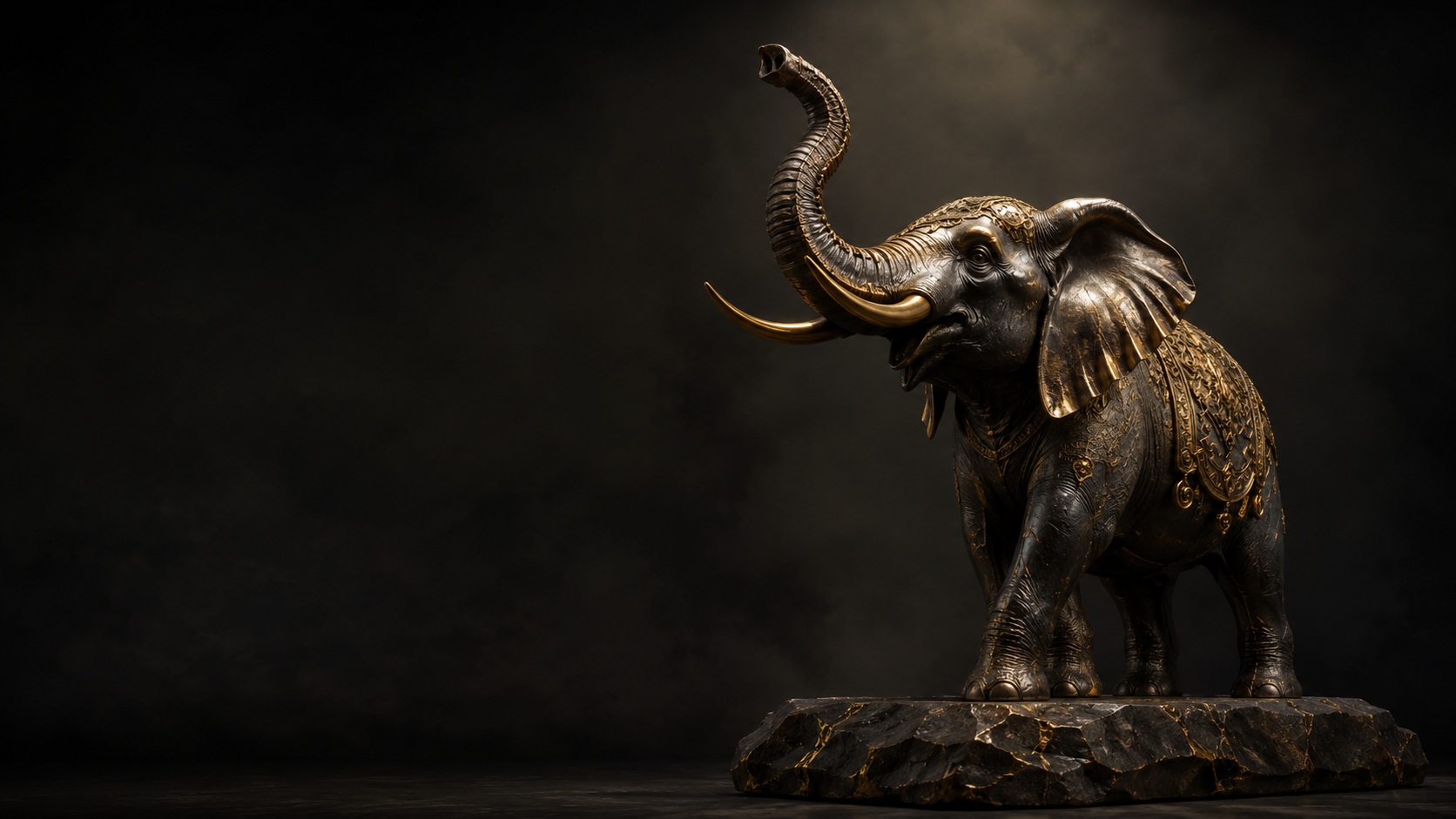
The elephant is one of the most respected symbolic animals in the world. Its power arises not from aggression but from calm, experience and composure – combined with a remarkable memory.
Discover personal symbolism →Origin
In India, the elephant has held special significance for thousands of years: the elephant-headed god Ganesha is regarded as the remover of obstacles and is venerated before every important undertaking.
In Buddhism and in many African cultures, too, the elephant stands for spiritual strength, leadership and responsibility toward the community – sustained by its close family bonds and its legendary memory.
Use in Jewelry
In jewelry, the elephant is worn as a sign of wisdom, luck and inner strength – as a striking silhouette or finely detailed relief, often with a raised trunk as a token of good fortune.
It is especially suited to people who embody reliability and experience – and to the memory of such people.
The Symbolic Meaning of the Elephant
The elephant combines greatness with sensitivity: it lives in close family groups, shows care and does not forget. Depending on the story, it stands for wisdom, constancy, memory, protection or luck.
Constancy does not mean standing still – it means reliability in the midst of change.
Wisdom
Experience passed on across generations.
Constancy
Unwavering and steadfast when everything is in motion.
Memory
An elephant never forgets – and neither should we.
Protection
The herd protects its weakest – always.
Family
The close bond that carries you through a lifetime.
The Human Longing Behind the Symbol – Elephant
Life is constantly changing: careers shift, moves happen, families grow, the familiar passes on. Much of what seems self-evident today may be different tomorrow.
That is precisely why many people long for something that endures.
The elephant embodies this longing: calm, unwavering, steadfast. Its strength does not come from speed or aggression.
It reminds us that stability does not mean preventing change – but preserving an inner core while outer circumstances shift.
Constancy does not mean standing still. It means reliability in the midst of change.
The History of the Elephant as a Symbol
From Ganesha through Buddhist traditions to the cultures of Africa: the elephant carries its meaning through very different worlds.1
India & Ganesha
The elephant-headed god overcomes obstacles.
Read more
Ganesha, the god with the elephant head, is one of the most beloved deities of Hinduism: he is regarded as the remover of obstacles and is invoked before every important undertaking.1
He is the patron of scholars, scribes and all who begin something new.
The elephant thus became a sign of wisdom, success and good beginnings.
Buddhism
The elephant stands for spiritual strength and discipline.
Read more
In Buddhism, the elephant symbolizes spiritual strength and inner development – according to legend, a white elephant announced the birth of the Buddha.
In the image of the elephant, the wild mind is tamed: from gray restlessness to white clarity.
Here, power and gentleness belong inseparably together.
Africa
The elephant embodies leadership and responsibility.
Read more
In many African cultures, the elephant stands for leadership, experience and responsibility toward the community.
The matriarch leads her herd for decades to watering places that she alone remembers – knowledge becomes a matter of survival.
Hardly any other animal embodies wise leadership more impressively.
Modern Era
Today the elephant stands for wisdom and reliability.
Read more
Behavioral research confirms its legendary memory and its empathy: elephants mourn, help one another and remember across decades.
In jewelry and design, it is loved worldwide as a symbol of luck and wisdom.2
Its message remains: true strength carries – it does not weigh down.
The Elephant in Jewelry
As a striking silhouette or fine relief, the elephant becomes a sign of quiet strength – often with a raised trunk, considered a token of good fortune.
Elephant Pendant
Wisdom and protection, worn close to the heart.
Elephant Ring
The powerful silhouette, wrapped around the finger.
Elephant Bracelet
Constancy, close to every gesture of daily life.
From Symbol to Signature
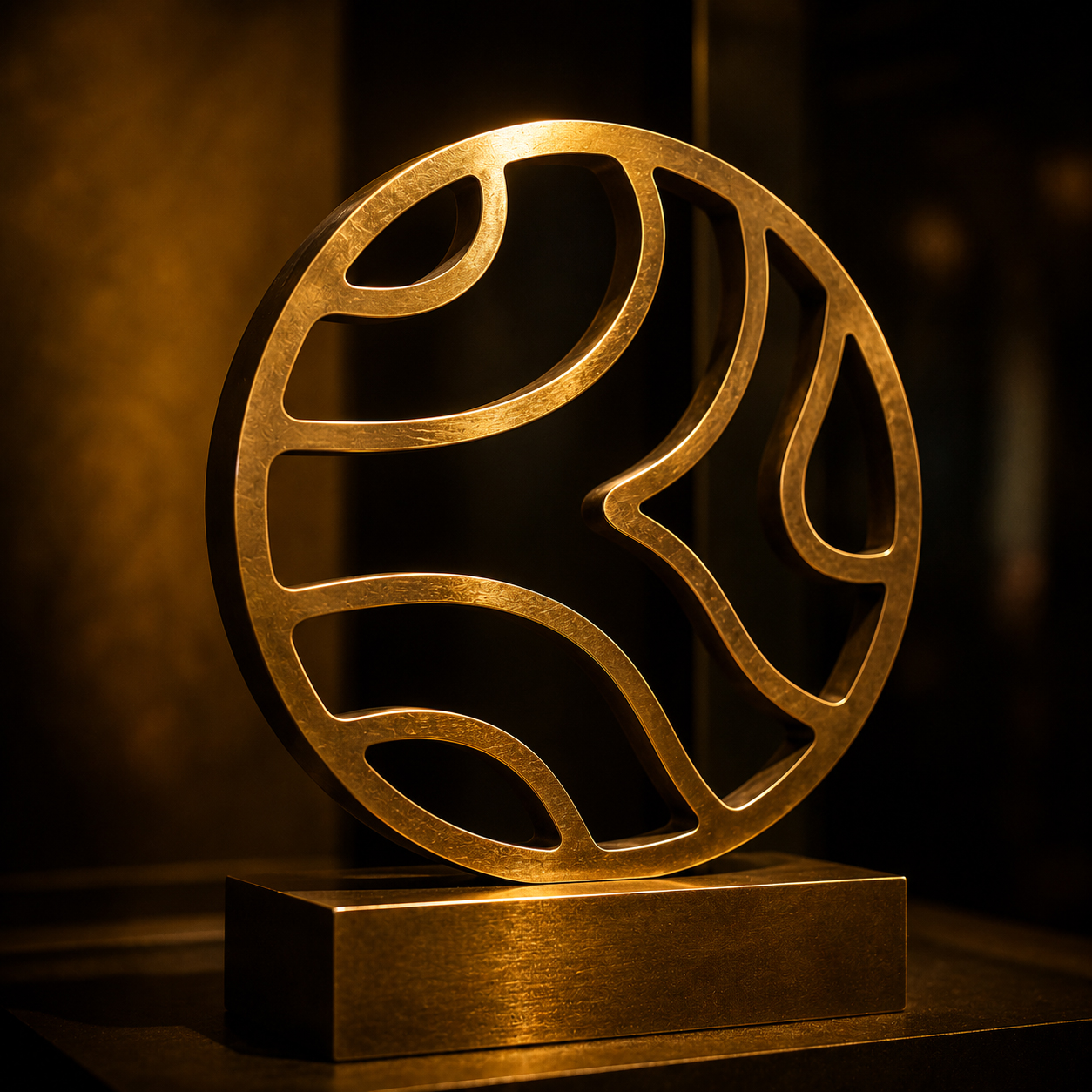
The elephant is a universal sign. RetinaDesign goes further: rather than making a familiar symbol more personal, your own retina itself becomes an unmistakable signature.
The RetinaDesign Perspective
The elephant answers an important question: What carries me reliably? Yet it does not tell which experiences shaped that reliability and which people belong to your own herd.
This is exactly where personal symbolism begins. The elephant gives constancy a form. A RetinaSignature connects this form with a specific person. And like the elephant's memory, it preserves what should not be forgotten.
From the Elephant to the RetinaSignature
An elephant can make constancy visible. A RetinaSignature can show the person behind it.
Discuss personal jewelry →Related RetinaDesign Pages
Related Symbols


Frequently Asked Questions About the Elephant Symbol Meaning
What does the elephant mean as a symbol?
The elephant stands for wisdom, constancy, memory, protection and responsibility – for strength based on stability rather than dominance.
Who is Ganesha?
The elephant-headed god of Hinduism: remover of obstacles, patron of scholars – he is venerated before every important undertaking.
What does an elephant mean in jewelry?
Elephant jewelry usually stands for wisdom, luck and inner strength – or for the memory of a reliable person.
Is it true that elephants never forget?
Their memory is indeed exceptional: matriarchs remember routes and watering places for decades – and elephants recognize one another after years apart.
Why is the elephant considered a bringer of luck?
In many cultures it brings luck – especially with a raised trunk. Its connection to Ganesha, the remover of obstacles, reinforces this interpretation.
What does the white elephant mean in Buddhism?
According to legend, a white elephant announced the birth of the Buddha. It stands for spiritual purity, strength and clarity.
Is the elephant a spiritual symbol?
It has spiritual roots in Hinduism and Buddhism, but today it is also understood in a secular sense worldwide – as a sign of wisdom and reliability.
What distinguishes the elephant and the lion as symbols of strength?
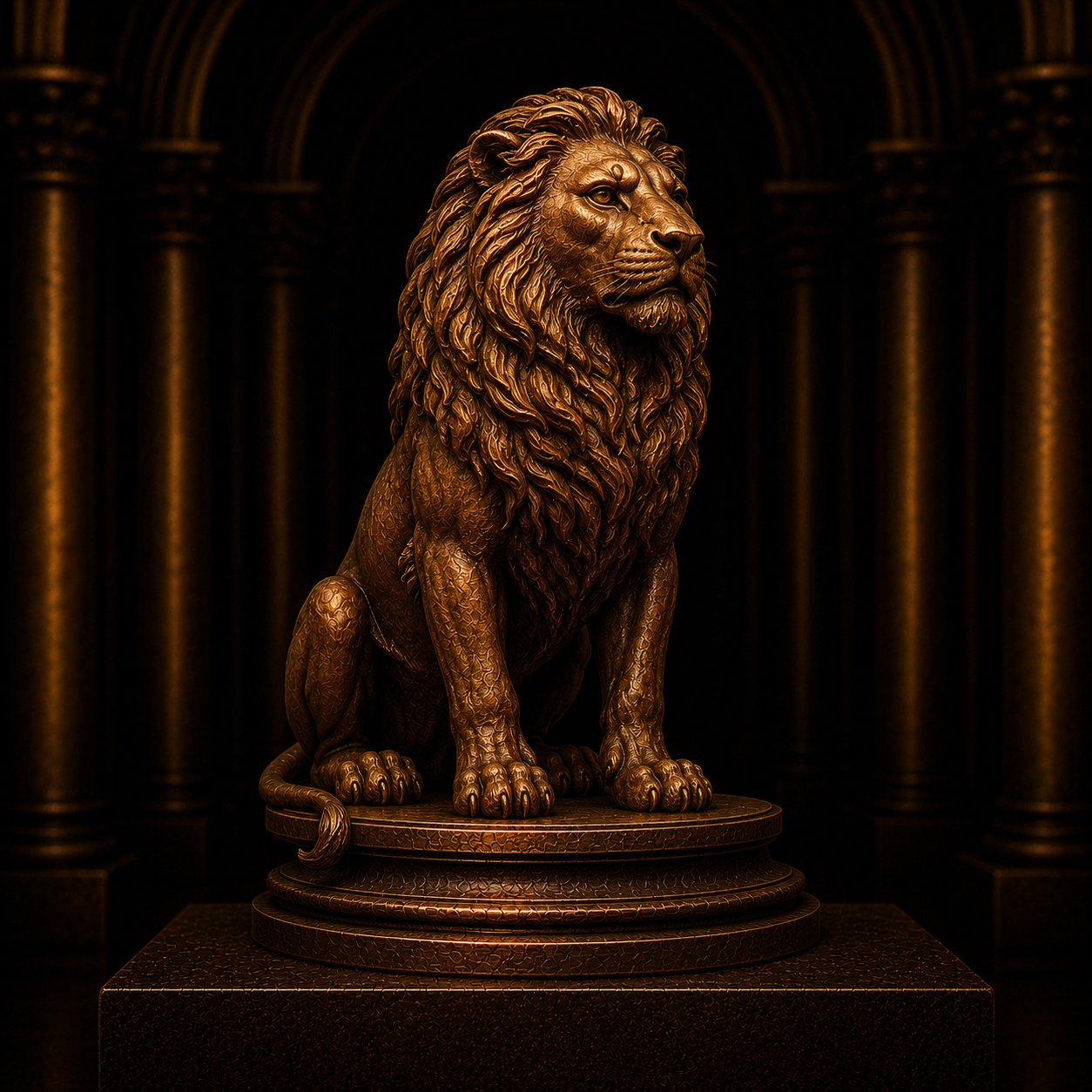
The lion stands for sovereign, visible strength; the elephant for sustaining, quiet power – stability rather than display.
Is the elephant suited to memorial jewelry?
Yes, especially so: as a symbol of not forgetting, it suits people who have given support – and family memories.
Which material suits elephant jewelry?
Gold and platinum give the powerful silhouette weight and dignity. Finely textured surfaces can hint at the characterful skin.
Is the elephant more feminine or masculine?
Neither. Elephant herds are led by cows – the symbol is open to everyone and, depending on the design, appears playful or majestic.
How does the elephant look modern rather than playful?
It looks modern as a reduced, powerful silhouette – presence instead of cuteness.
Do the elephant as a tattoo and in jewelry mean the same thing?
The core meanings are similar, but jewelry requires no permanent commitment and can be passed on – as the heirloom of a story.
Which symbols pair well with the elephant?
Tree of Life, mountain and lion extend the elephant with rootedness, constancy and courage.
What is more personal than an elephant?
The elephant stands for a universal idea of wisdom. A RetinaSignature additionally refers to a specific person and can therefore exist only once.
Sources and Further Reading
Show sources on the history of the symbol
1) On Ganesha, the elephant-headed god: Encyclopaedia Britannica: Ganesha
2) On the history of jewelry and animal motifs: Victoria and Albert Museum: A History of Jewellery
Further Topics


Jewelry That Makes Meaning Visible
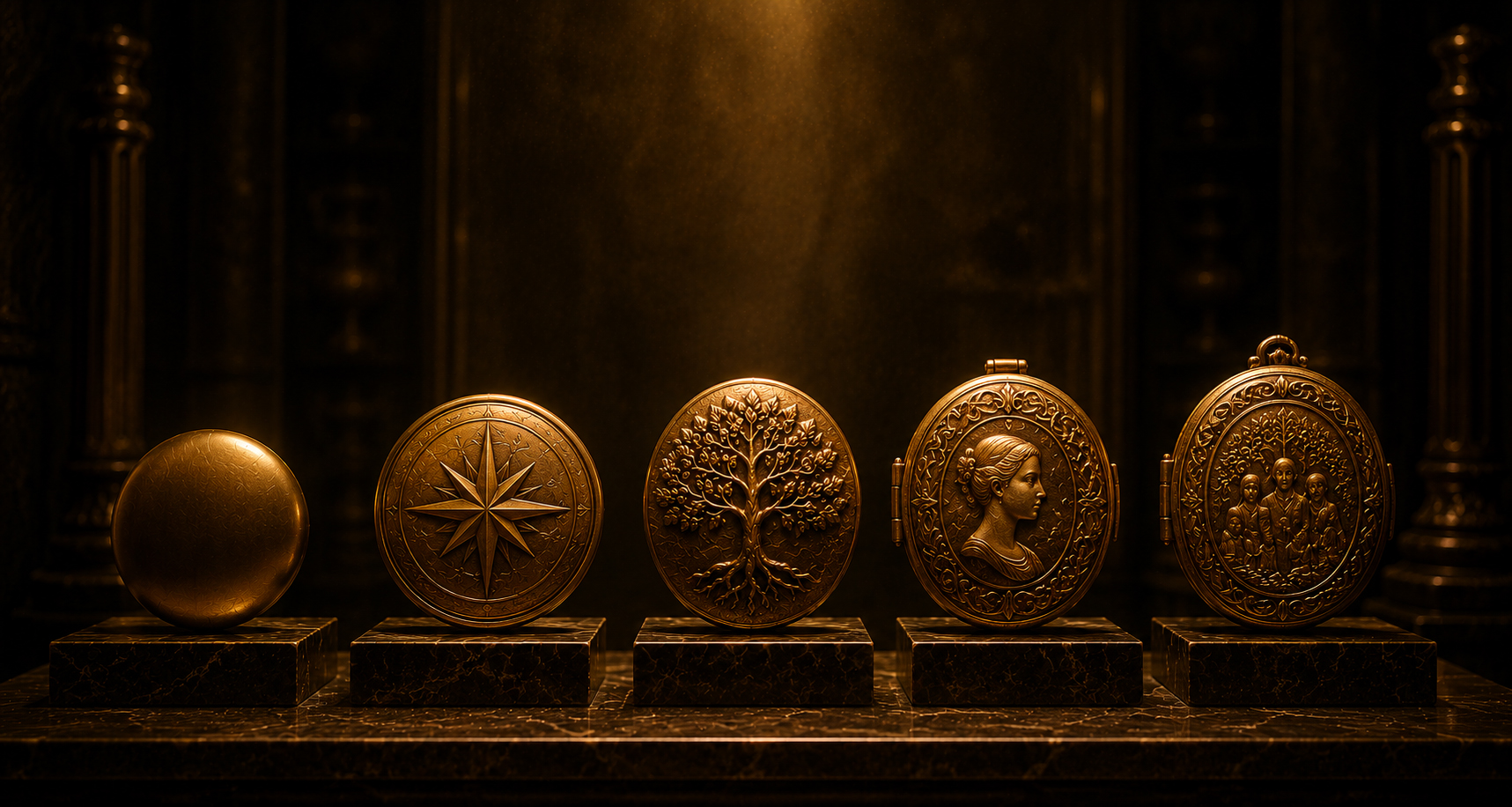
A symbol can open a story. A RetinaSignature makes it personal. Discover jewelry that brings identity, memory and connection into an unmistakable form.
Get in touch →