
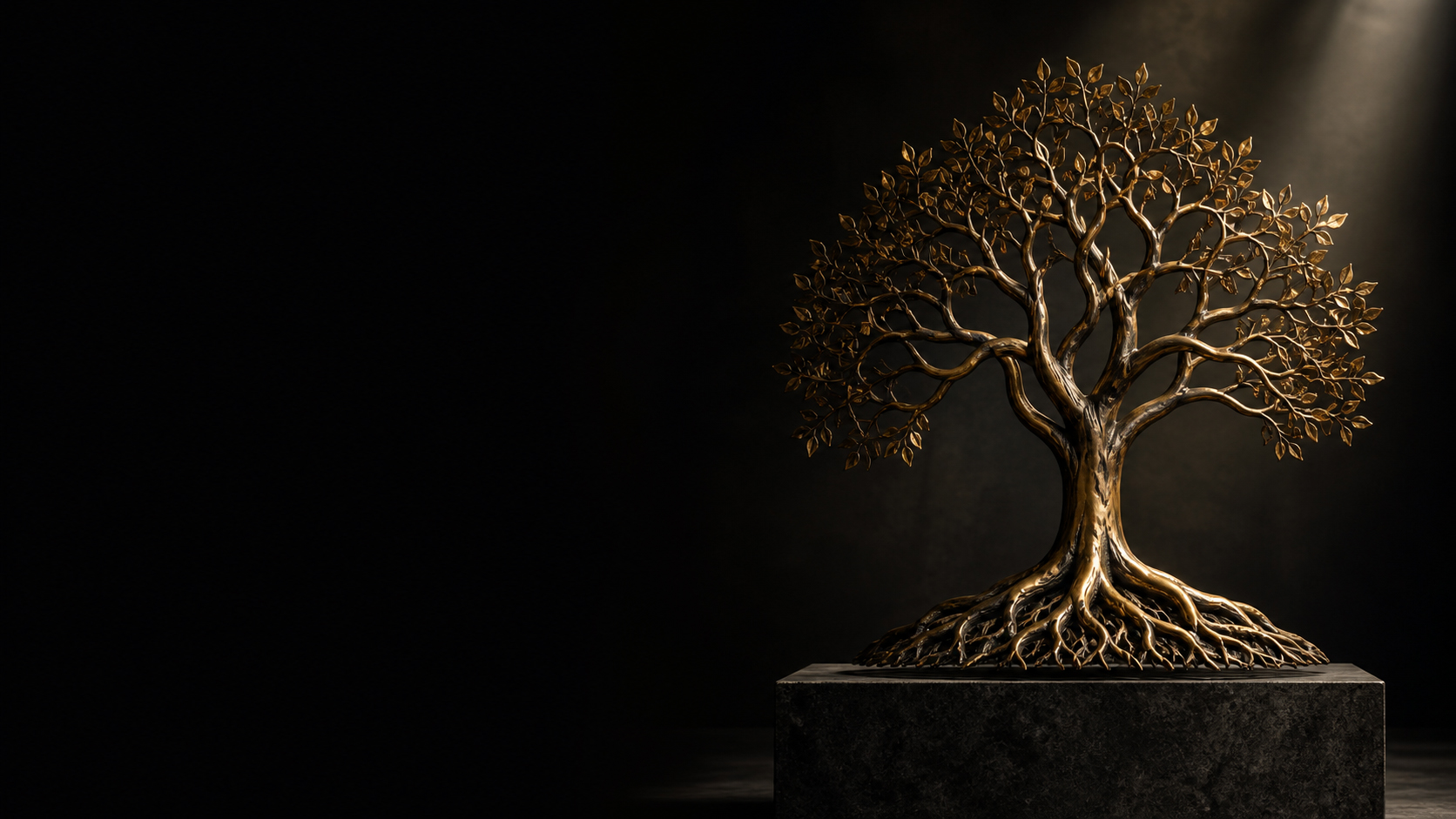
Tree of Life – Meaning, History and Symbolism
No one grows out of nothing.
A tree reminds us where we come from.
The Tree of Life unites what belongs together: roots and crown, origin and future, the individual and the family. It is humanity's oldest map of the world.
Discover personal symbolism →Origin
The Tree of Life is one of humanity's oldest symbols. As the 'Ez Hachajim' it appears in the Garden of Eden (Genesis 2:9), as a sacred tree in Mesopotamian reliefs, as the world ash Yggdrasil in the North and as the Bodhi tree in India. Everywhere it carries the same basic idea: roots in the earth, trunk in the present, crown in the sky.
This threefold structure corresponds to a fundamental human experience of time and origin – and makes the tree the oldest map of the world.
Use in Jewelry
In jewelry, the Tree of Life appears as a pendant, medallion, ring or fine engraving. Especially as family jewelry, names are engraved into the branches or birthstones are set for children.
Finely crafted, the tree remains timeless when it is clearly structured: one trunk, branching limbs, visible roots – a form that can carry an entire family history.
Symbolic Meaning of the Tree of Life
The Tree of Life is never merely a decorative motif. Depending on the context, it stands for family and origin, for growth and maturity, for the wisdom of the generations or for the eternal cycle of becoming and passing.
It connects below and above, past and future. Therein lies its power: it shows that no one stands alone, but is part of something greater.
Roots
Origin, ancestors and the history from which a person has grown.
Growth
Development, maturing and what grows stronger with time.
Family
Generations that belong together: roots, trunk and branches as one whole.
Keeper of hidden knowledge since antiquity.
Experience that is passed on and endures beyond a single life.
Cycle
Becoming and passing, season after season – life as a constant cycle.
The Human Longing Behind the Symbol – Tree of Life
For many people, the Tree of Life is first of all a family symbol. Yet its deeper power lies in making time visible: it shows that we are part of something that began before us and continues after us.
A tree grows slowly. It carries the traces of every year within it – and yet remains the same. In this, people recognize their own origin: shaped by those who came before them.
Perhaps this is why the Tree of Life is chosen for births, weddings and in memory of the departed. It can say: You belong to us – across the generations.
Its roots belong to it as much as its crown. They remind us that growth needs a foundation and that no one comes from nothing.
In jewelry, the tree becomes especially powerful when it is not mere ornament but carries a concrete family history: names, dates, generations.
The History of the Tree of Life as a Symbol
The Tree of Life was not invented – it was discovered, in the form of every tree that sinks its roots into the earth and opens its branches to the sky. From Mesopotamia to the Norse world ash to the Kabbalah, it appears as an image of the order of the cosmos and the bond between generations.1
Origins & Mesopotamia
The oldest cosmic trees: the sacred tree of Mesopotamia and the tree in the Garden of Eden.
Read more
In the Hebrew Old Testament, the 'Ez Hachajim' is the Tree of Life in the Garden of Eden, whose fruit grants immortality (Genesis 2:9). It is expressly distinguished from the Tree of Knowledge: the Tree of Life is not a tree of knowing but a tree of being.
The oldest known depiction of a cosmic tree comes from Mesopotamia: reliefs from the palace of the Assyrian king Ashurnasirpal II (883–859 BC) in Nimrud show a stylized sacred tree flanked by winged genies – today in the British Museum.1
Even here, the tree carries its basic structure: roots, trunk and crown as the image of a world in three levels – past, present, future.
Mythology Across Cultures
From the Norse Yggdrasil to the Indian Bodhi tree: the tree as the axis of the world.
Read more
In Norse mythology, Yggdrasil, the cosmic world ash, is the center of the universe: it connects nine worlds. Odin sacrificed himself on it to gain the runes – knowledge always has a price.
In Hinduism, the Ashvattha or Bodhi tree connects earth and sky; beneath it, Siddhartha Gautama attained enlightenment. The Bhagavad Gita (15:1–3) describes it with its roots above and its branches below – a hint at the transcendent origin of life.
Whether Norse, Indian or Aztec (the world axis, Axis Mundi): everywhere the tree connects the upper and the lower world. It is the navel of the world.
Mysticism & Kabbalah
In the Kabbalah, the Tree of Life is the diagram of divine being.
Read more
The kabbalistic Sephirot diagram – the 'Etz Chaim' – is the central image of Jewish mysticism: ten Sephirot (divine emanations), connected by 22 paths that correspond to the letters of the Hebrew alphabet.2
Isaac Luria (16th century, Safed) linked this diagram to the teaching of Tikkun: divine sparks of light have fallen into the world and are set free again through ethical human action. The Tree of Life is thus not a mere image of contemplation but a plan for action.
The world is in need of repair – and the human being is its repairer. This idea has shaped Western philosophy and esotericism to this day.
Jewelry & Modernity
From Art Nouveau to family tree jewelry: the tree as a family chronicle.
Read more
Tree-like ornaments already appear in Egyptian broad collars and in Celtic goldwork, whose interlaced knot motifs embody a cosmic system of weaving.
In Art Nouveau (1890–1910), the Tree of Life experienced an artistic flowering: René Lalique created a famous 'Tree of Life' pendant around 1900. The Castellani workshop revived the ancient technique of granulation and worked tree motifs in the finest gold – preserved, among other places, in the Metropolitan Museum of Art.3
Today, the Tree of Life is the most personalized of all family symbols: family tree jewelry with engraved names, birthstone trees with one stone per child, genealogical pendants with dates.
The Tree of Life in Jewelry
As a pendant, medallion, ring or fine engraving, the Tree of Life remains timeless when it is clearly structured. Especially as family jewelry it unfolds its meaning.
Tree of Life Pendant
Worn close to the body, the tree becomes a quiet sign of origin and family.
Tree of Life Ring
As a fine engraving around the finger: roots and branches that accompany everyday life.
Tree of Life Bracelet
Branching golden lines at the wrist – growth that remains visible with every gesture.
From Symbol to Signature
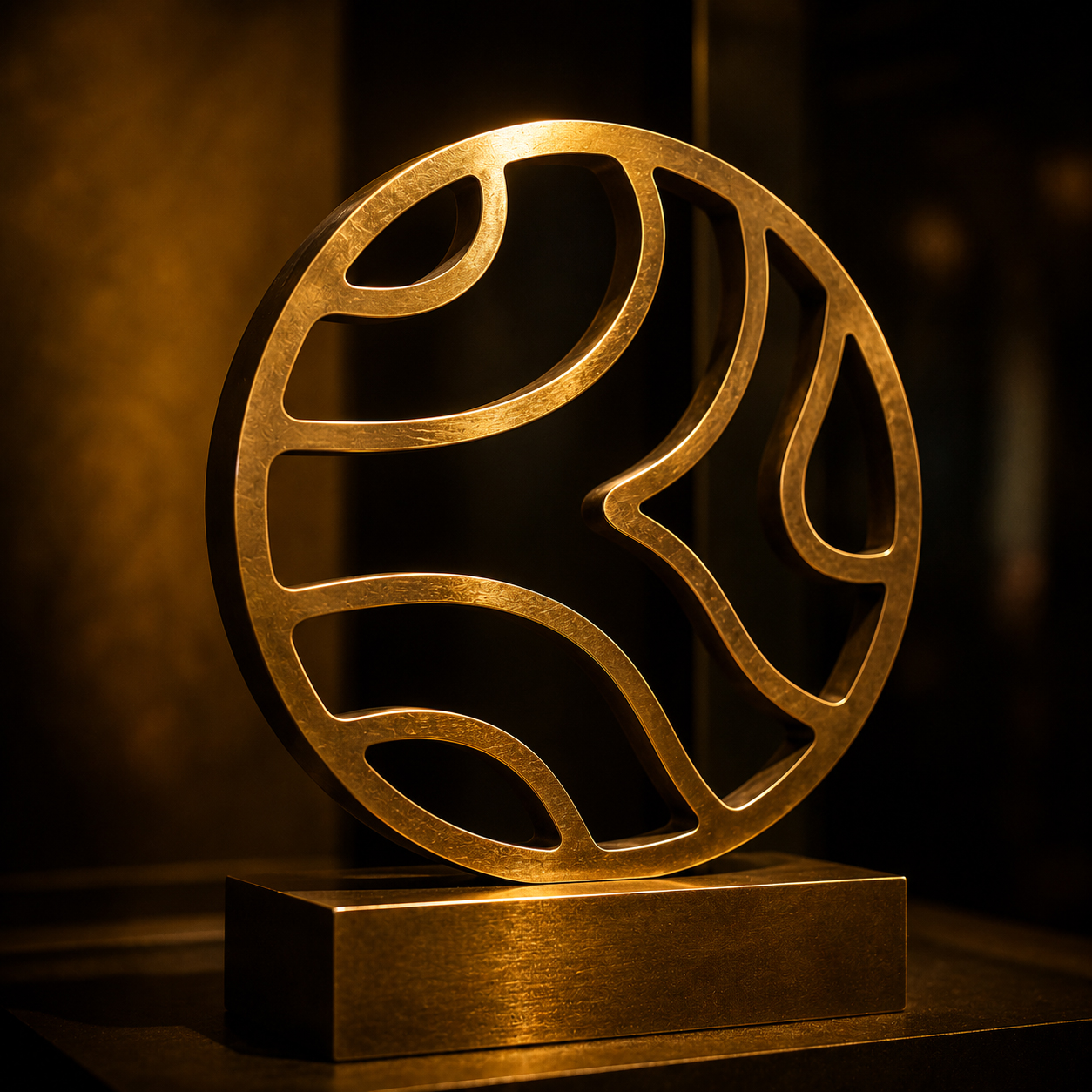
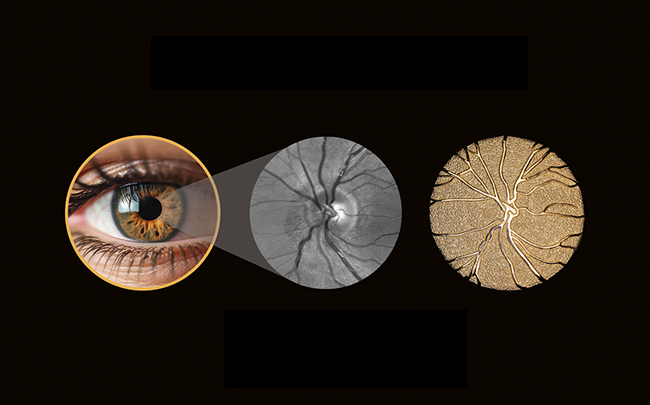
The Tree of Life is a universal sign. RETINA® goes further: instead of making a familiar symbol more personal, your own retina itself becomes an unmistakable signature.
The RETINA® Perspective
The Tree of Life answers a universal question: where do I come from, and where do I belong? It can embody family, origin, growth and connectedness. But it does not yet say which people stand in your roots and branches.
This is exactly where personal symbolism begins. The tree gives a family a form. A RetinaSignature connects this form with specific people. In this way, a familiar symbol becomes a family tree that only you wear.
From the Tree of Life to the RetinaSignature
A Tree of Life can make family and origin visible. A RetinaSignature can show which people, which generations and which memories stand behind it.
Discuss personal jewelry →Related RETINA® Pages


Related Symbols


Frequently Asked Questions About the Tree of Life Meaning
What does the Tree of Life mean?
The Tree of Life stands for family, origin, growth and the bond between generations. Its roots stand for the ancestors, the trunk for the present, the crown for the future.
Where does the Tree of Life symbol come from?
The Tree of Life is one of humanity's oldest symbols. It appears in the Garden of Eden (Genesis), in Mesopotamian reliefs, as the Norse world ash Yggdrasil and as the kabbalistic Etz Chaim.
What does the Tree of Life mean in jewelry?
In jewelry, the tree usually stands for family and origin. As a pendant or engraving, the names of family members are often set into the branches, or birthstones are set for children.
Is the Tree of Life only a family symbol?
No. It can equally stand for personal growth, wisdom, new beginnings or the cycle of life.
What do roots, trunk and crown stand for?
The roots stand for origin and ancestors, the trunk for the present and community, the crown for future and transcendence – together they form a map of time and belonging.
Is Tree of Life jewelry timeless?
Yes, if the design remains clear. A reduced, precisely crafted tree appears more timeless than a highly decorative motif.
Does the Tree of Life suit memorial jewelry?
Yes. The tree can hold the departed with dignity in its roots and show the living generations in trunk and branches – especially as an engraving or medallion.
Which material suits Tree of Life jewelry?
Gold and platinum give the Tree of Life a warm, timeless radiance; silver appears cooler and more modern. Birthstones can make individual family members visible.
Is the Tree of Life more feminine or masculine?
Neither. The tree is an open symbol and appears delicate or striking depending on the design. What matters are proportion, material and surface.
How does the Tree of Life look modern rather than playful?
It looks modern as a reduced, clearly structured silhouette: one trunk, a few branches, visible roots – less ornament, more craftsmanship.
What distinguishes the Tree of Life from the Flower of Life?
Both stand for the interconnectedness of all life. The tree emphasizes origin, growth and generations, the Flower of Life a perfect geometric order.
Which tree is the Tree of Life?
No particular one. Depending on the culture, it is the ash (Yggdrasil), the fig tree (Bodhi tree), the date palm or the oak. What is meant is the idea of the tree – not a species.
Is the Tree of Life suitable as a gift?
Yes. It is given especially for births, weddings and milestone birthdays – wherever family, origin and togetherness are celebrated.
Which symbols go well with the Tree of Life?
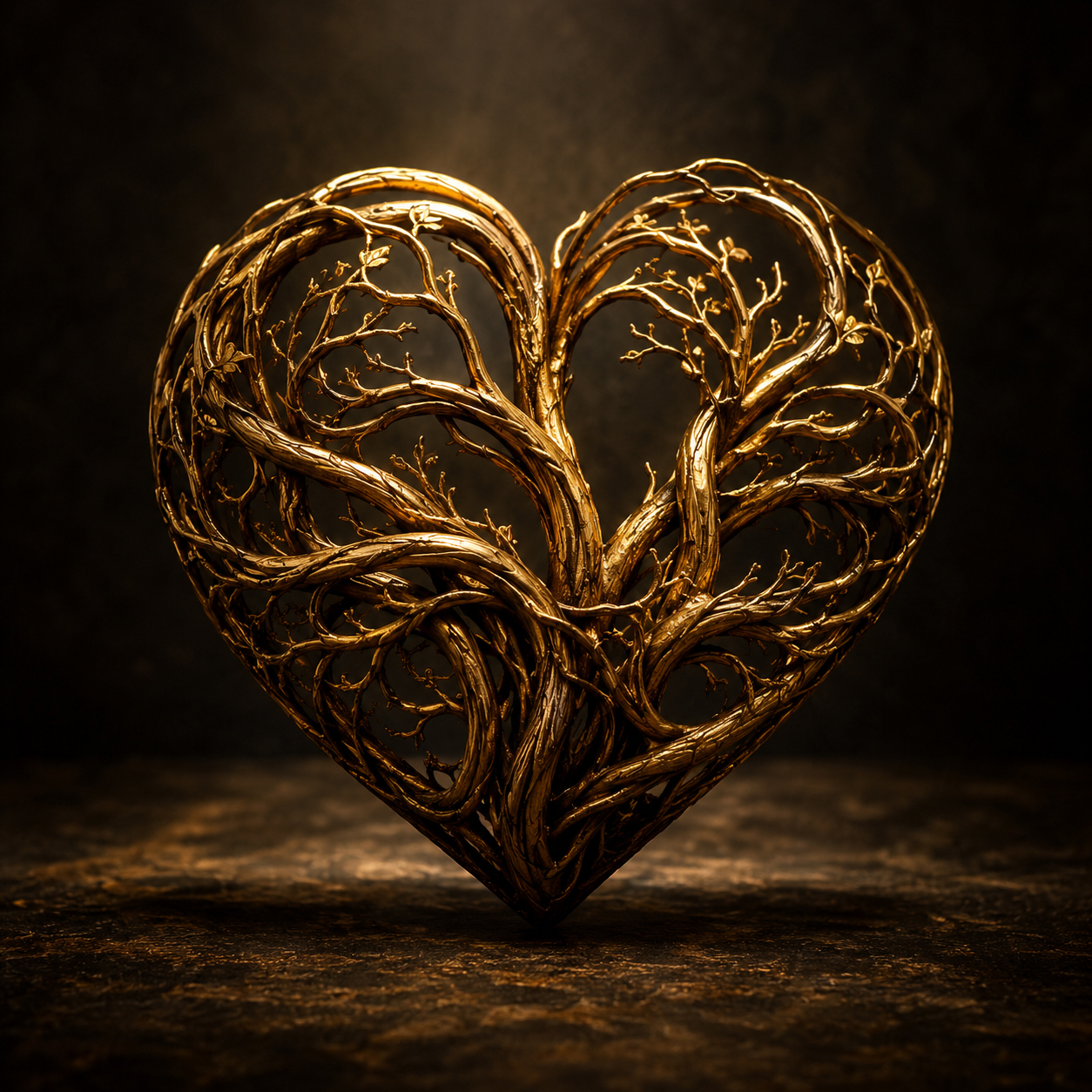
The heart, infinity, the rose and the ring extend the tree with love, permanence, beauty and connection.
What is more personal than a Tree of Life?
The Tree of Life stands for a universally understood idea. A RetinaSignature additionally refers to specific people and can therefore exist only once.
Sources and Further Reading
Show sources on the history of the symbol
1) On the Norse world ash and the world tree motif: Encyclopaedia Britannica: Yggdrasill
2) On the kabbalistic Tree of Life (Sephirot): Encyclopaedia Britannica: Sefirot
3) On the history of jewelry and botanical motifs: Victoria and Albert Museum: A History of Jewellery


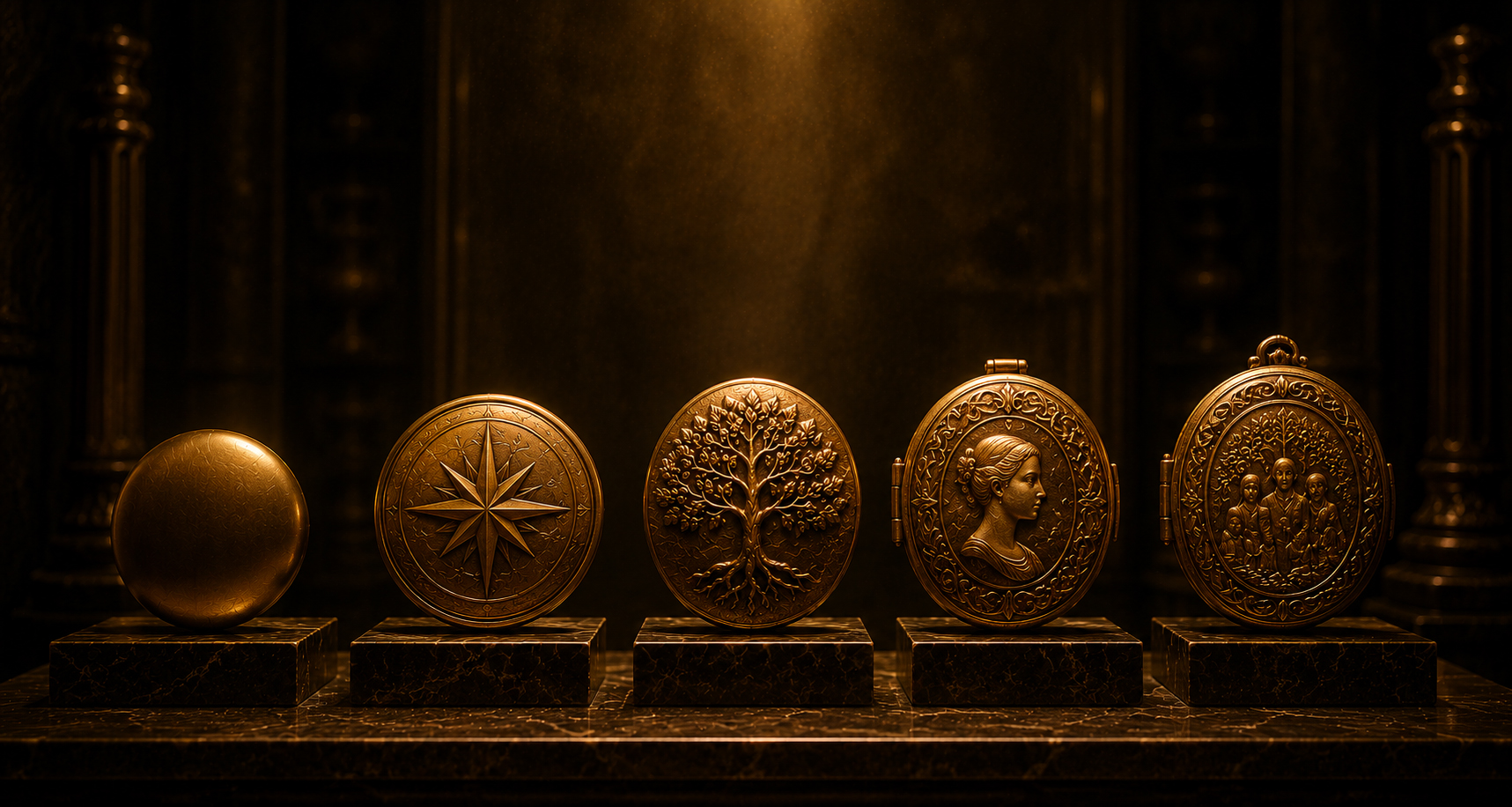
Jewelry That Makes Meaning Visible
A symbol can open a story. A RetinaSignature makes it personal. Discover jewelry that gives identity, memory and connection an unmistakable form.
Get in touch →