
Stonehenge – Meaning, History and Symbolism
Built without words.
Understood to this day.
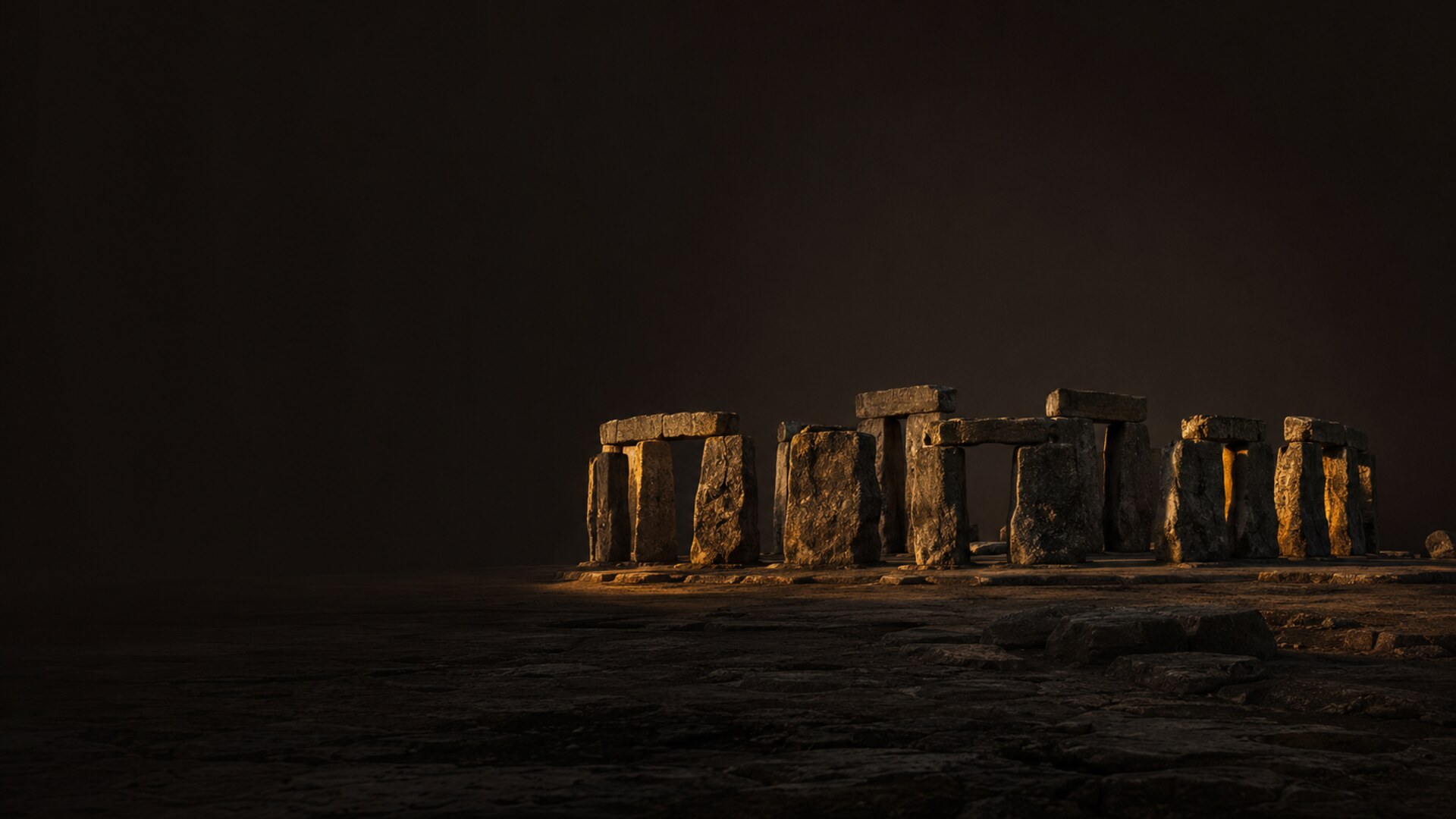
For some 5,000 years, the stone circle of Stonehenge has stood on Salisbury Plain – aligned with the solstices, built by people whose names no one knows. Few places show more powerfully what remains when everything else passes.
Discover personal symbolism →Origin
Stonehenge was built in several phases between roughly 3000 and 2000 BC. The sarsen stones, weighing many tons, were moved over kilometers; the smaller bluestones come from Wales, some 250 kilometers away – a feat that still inspires awe today.
Why the people of the Neolithic went to such lengths, we do not know for certain. It is precisely this openness that makes Stonehenge an emblem: a sign greater than any single interpretation.
Use in Jewelry
In jewelry, Stonehenge appears as a stone-circle motif, as a single gateway (a trilithon) or as an abstracted circle of standing forms – often joined with the light of the solstice.
The motif is worn as a sign of endurance, origin and the great cycles of life. It looks most refined when the form stays reduced and the material takes on the calm of the stone.
Symbolic Meaning of Stonehenge
Stonehenge unites what otherwise seems separate: stone and sky, permanence and change, the individual and the community across generations.
Five layers of meaning keep the stone circle legible to this day.
Eternal Circle
The stone circle knows neither beginning nor end – an image of wholeness and return.
Cycle of Time
Aligned with the solstices, Stonehenge makes the rhythm of the year visible.
Constancy
For some 5,000 years the stones have stood – longer than any empire they have witnessed.
Community
No single person could have built Stonehenge. It is the work of generations.
Sky & Earth
The circle anchors the course of the heavens in the ground – a place where the two come together.
The Human Longing Behind the Symbol – Stonehenge
People long to be part of something that outlasts them – a family, a story, a work that remains.
Stonehenge touches this very longing: its builders have been forgotten for millennia, yet their sign still stands. What they began together was carried on across generations.
Perhaps that is the true message of the stone circle. Stonehenge does not tell of a single life – it tells us that people can leave behind, together, something that withstands time.
At the same time, the circle orders the year: solstice after solstice, the light returns to the same place. In a world full of change, that is a comforting image – not everything passes; some things return.
Whoever wears Stonehenge as a symbol wears both: the calm of the enduring and the promise that many hands can create something that lasts.
The History of Stonehenge as a Symbol
From the Neolithic through medieval legends to World Heritage status: the history of Stonehenge is a history of wonder.1
Built in the Neolithic
In several phases and over centuries, a monument for eternity took shape.
Read more
Around 3000 BC, a circular earthen bank with a ditch came first. Some 500 years later, the great sarsen stones were raised – up to 30 tons each, joined by precisely worked tenons and lintels.1
The smaller bluestones come from the Preseli Hills in Wales, some 250 kilometers away. How they were transported is still the subject of research.1
The construction itself is remarkable: the joints between the stones follow woodworking techniques – as if the builders had raised a house for eternity.
Solstice & Astronomy
The axis of the circle follows the course of the sun.
Read more
Stonehenge is aligned with the solstices: at the summer solstice, the sun rises over the Heel Stone; at the winter solstice, it sinks in the axis of the tallest trilithon.2
For a farming society, this knowledge was vital: the circle made the turning points of the year visible and reliable.
Thus stone became a calendar – and the calendar a place of assembly, where the community marked the passage of time together.
Myths & Interpretations
Merlin, giants and druids: every age found its own explanation.
Read more
In the Middle Ages, Geoffrey of Monmouth told how the wizard Merlin had brought the stones from Ireland – as a memorial to fallen kings.3
From the 17th century onward, scholars such as John Aubrey and William Stukeley interpreted Stonehenge as a temple of the druids. Research later showed that the circle is millennia older than the Celtic druids – yet the association shapes the popular image to this day.3
The bluestones were also revered as healing stones. That so many interpretations gather in one place is part of Stonehenge's symbolic power: it leaves room for what people are searching for.
Modern Times
World Heritage Site and place of longing: Stonehenge draws people to this day.
Read more
Since 1986, Stonehenge and Avebury have been part of the UNESCO World Heritage. More than a million people visit the stone circle every year.4
At the solstices, thousands gather to witness the sunrise over the stones – a modern ritual at an ancient site.
As a symbol, Stonehenge today stands for endurance, origin and awe at what people can create together.
Stonehenge in Jewelry
As a pendant, ring or bracelet, the stone circle becomes a quiet companion – a sign of the enduring, carried with you.
Stone Circle Pendant
The circle of standing stones, worn close to the heart.
Trilithon Ring
Two uprights, one lintel: the world's oldest gateway on your finger.
Solstice Bracelet
A sign for the turning points of your own life.
From Symbol to Signature
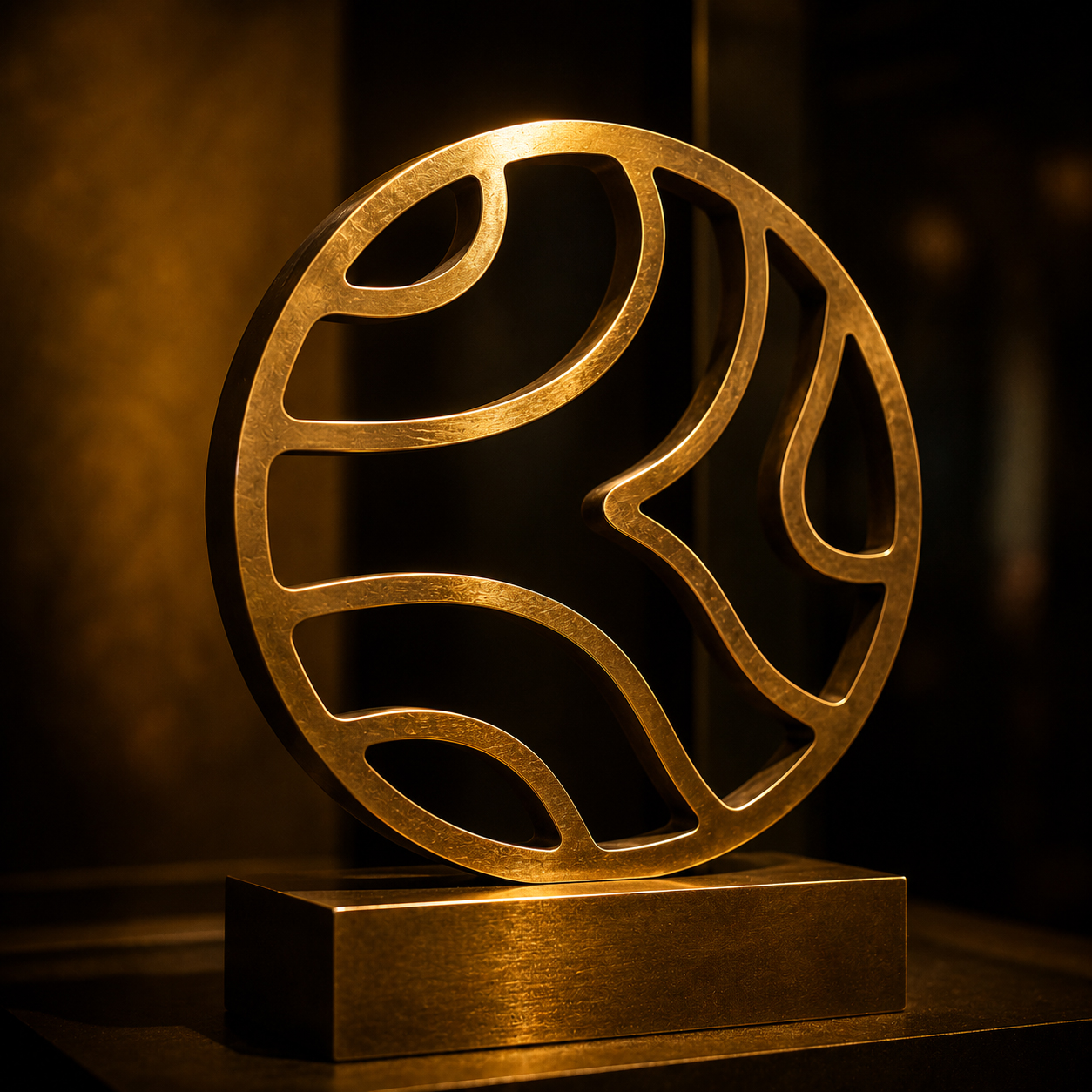
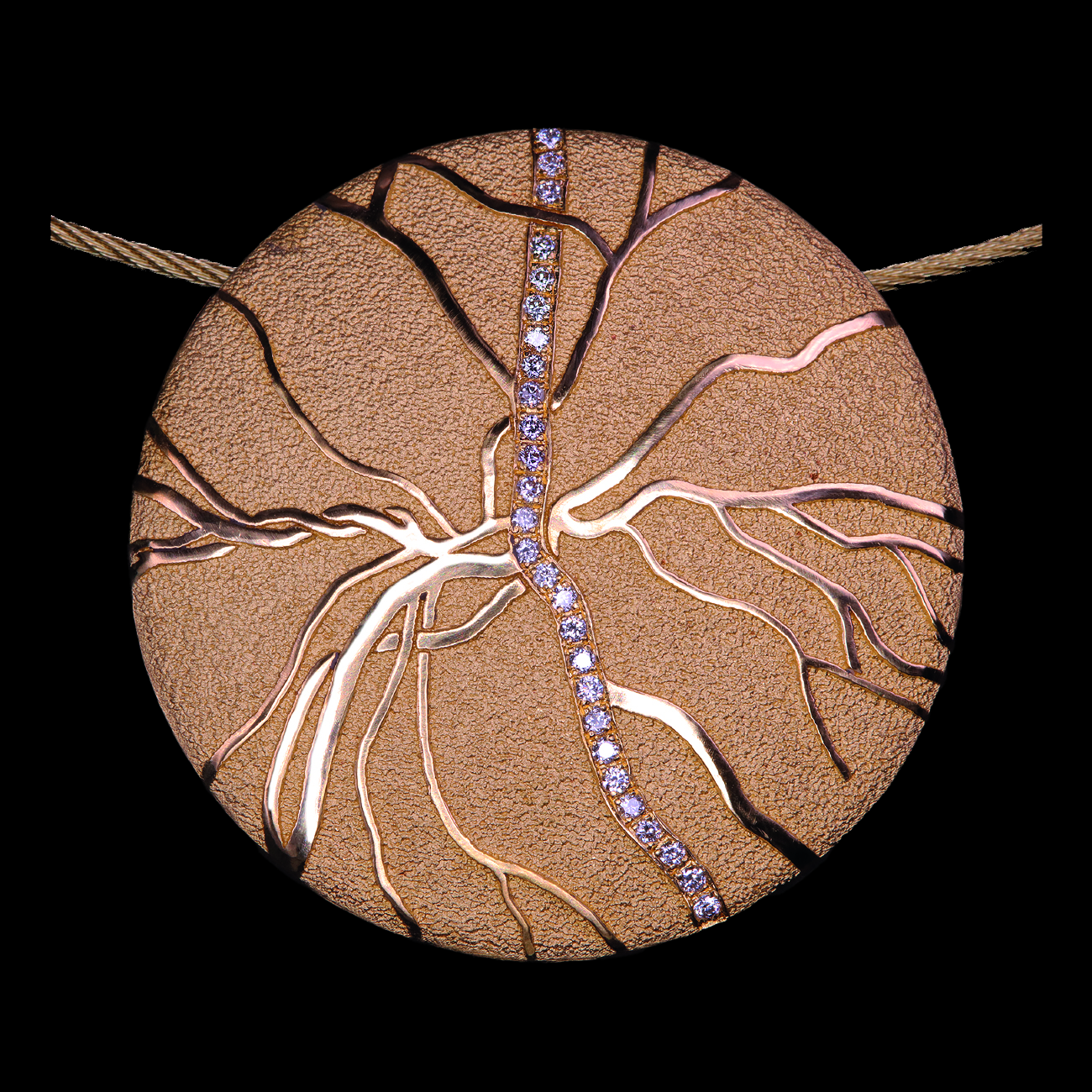
Stonehenge is a sign that generations built together. RETINA® goes further: your own retina becomes an unmistakable signature – a monument in miniature.
The RETINA® Perspective
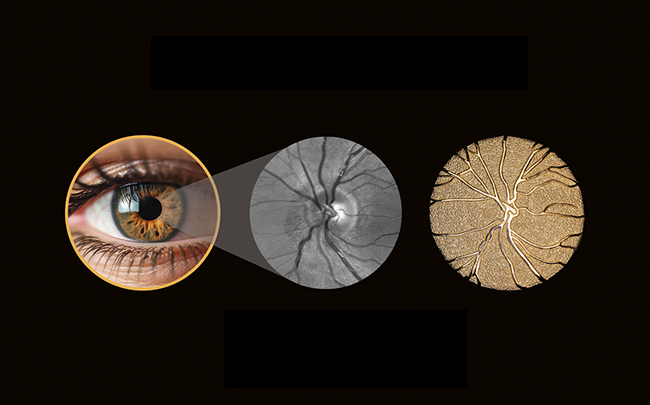
Stonehenge makes visible that people can leave behind something that lasts. Yet the stone circle does not tell us who those people were – their names have been lost for millennia. It answers the question: what remains of us?
This is exactly where personal symbolism begins. Stonehenge gives the enduring a form. A RetinaSignature shows which person is meant to remain. The fine lines of the retina are as unique as a fingerprint – a sign that belongs not to generations but to a single life.
From Stonehenge to the RetinaSignature
Stonehenge can make endurance and origin visible. A RetinaSignature shows which person is meant – as unmistakable as their retina.
Discuss personal jewelry →Related RETINA® Pages

Related Symbols

Frequently Asked Questions About the Stonehenge Meaning
What does Stonehenge mean as a symbol?
Stonehenge stands for endurance, the cycle of time and the connection between sky and earth – and for what people create and leave behind together.
How old is Stonehenge?
The stone circle was built in several phases between roughly 3000 and 2000 BC – its oldest parts are thus around 5,000 years old.
What was Stonehenge built for?
Its alignment with the solstices is firmly established; much suggests a place of assembly and ritual linked to ancestors and the course of the year. There is no definitive answer – that openness is part of its fascination.
Where do the stones of Stonehenge come from?
The great sarsen stones come from the surrounding area, the smaller bluestones from the Preseli Hills in Wales – some 250 kilometers away. Their transport is considered one of the greatest feats of the Neolithic.
What is a trilithon?
A trilithon consists of two upright supporting stones and a lintel resting on top – the characteristic gateway form of Stonehenge.
What does Stonehenge have to do with the solstice?
The main axis of the circle is aligned with the solstices: at the summer solstice the sun rises over the Heel Stone, at the winter solstice it sets opposite. The circle made the turning points of the year visible.
Did the druids build Stonehenge?
No. That interpretation dates from the 17th and 18th centuries; the stone circle is millennia older than the Celtic druids. Yet the legend shapes the image of Stonehenge to this day.
What does Stonehenge mean in jewelry?
In jewelry, the stone circle stands for endurance, origin and the great cycles of life. It is worn as a sign of what remains – often with a reference to the solstice.
Does Stonehenge suit memorial jewelry?
Yes. As the oldest image of the enduring, the stone circle is well suited to remembering a person or one's own origins – stone has always been the material of remembrance.
Is Stonehenge suitable as a gift?
Yes, especially at turning points: an anniversary, a milestone birthday, a new beginning – or as a sign of a bond meant to last.
Which material suits Stonehenge jewelry?
Platinum and white gold emphasize the calm of the stone, warm gold the light of the solstice. Matte, textured surfaces take up the character of the rock.
How does the Stonehenge motif look modern?
As a reduced form: a few standing elements, a clear circle, deliberate surfaces. This keeps the motif archaic and timeless without becoming illustrative.
Which symbols go well with Stonehenge?
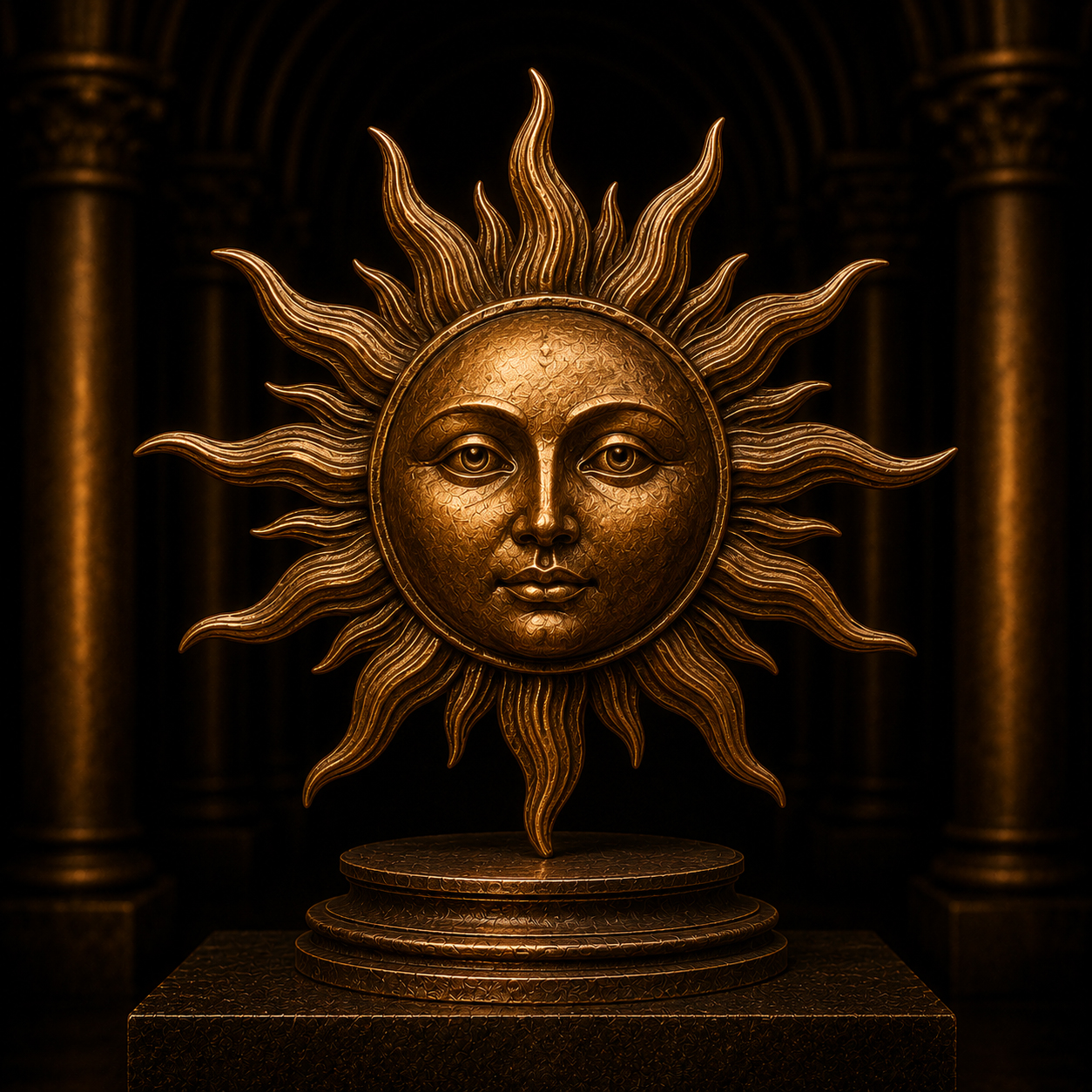
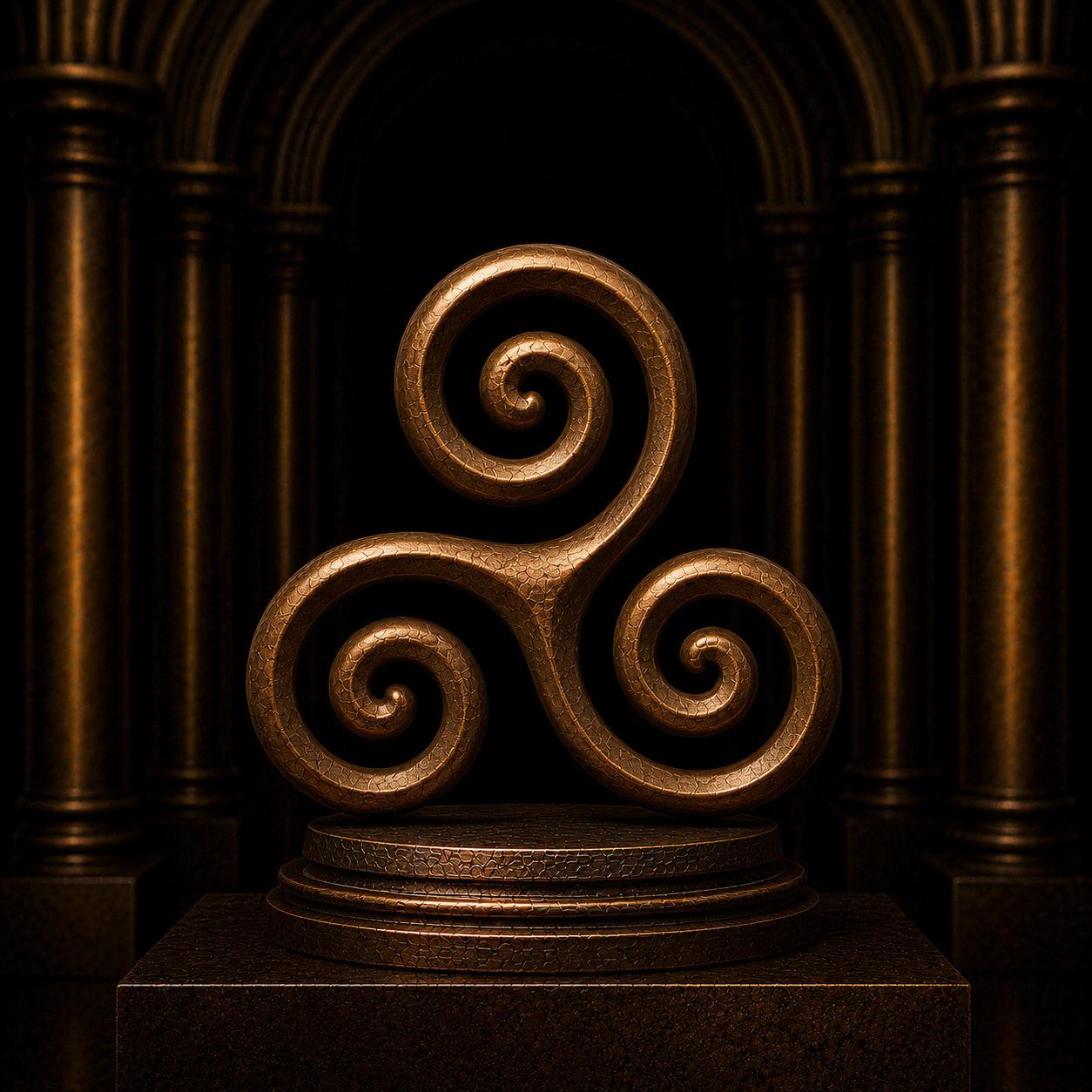
The rock adds stability to Stonehenge, the sun adds light and vitality, the triskelion the spirals of the same era – four signs from a single family of the enduring.
Is Stonehenge a World Heritage Site?
Yes, since 1986 Stonehenge, together with Avebury, has been part of the UNESCO World Heritage and ranks among the world's best-known prehistoric monuments.
What is more personal than the Stonehenge symbol?
Stonehenge stands for the enduring that many created together. A RetinaSignature additionally points to a single person and can therefore exist only once.
Sources and Further Reading
Show sources on the history of the symbol
1) On the construction history: English Heritage: History of Stonehenge
2) On the alignment with the solstices: English Heritage: The Stone Circle
3) On myths and the history of interpretation: Encyclopaedia Britannica: Stonehenge
4) On the UNESCO World Heritage: UNESCO World Heritage: Stonehenge, Avebury and Associated Sites


Jewelry That Makes Meaning Visible
A symbol can open a story. A RetinaSignature makes it personal. Discover jewelry that gives identity, memory and connection an unmistakable form.
Get in touch →