
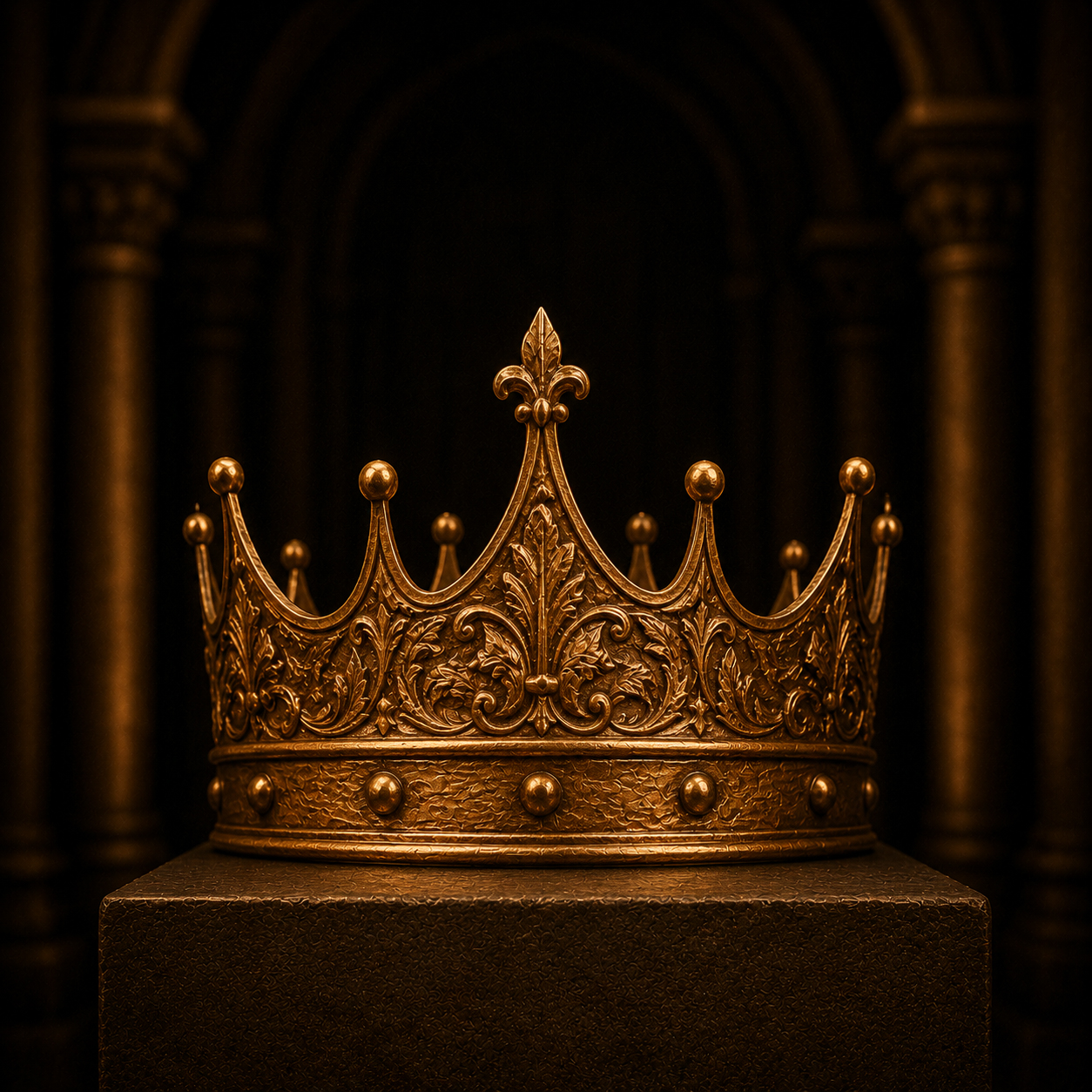
Crown – Meaning, History, and Symbolism
True greatness is not revealed by
standing above others.
The crown is among the oldest symbols of power, sovereignty, and prestige. For millennia it distinguished kings, queens, and rulers – yet its meaning reaches deeper than status.
Discover personal symbolism →Origin
For millennia, the crown was the most visible sign of sovereignty. Yet to this day it recalls a question that has occupied people since time immemorial: What does true greatness mean?
Its answer lies less in power than in character.
Use in Jewelry
In jewelry, the crown is often worn as a sign of self-respect, personal strength, and inner greatness – as a pendant, ring, or fine engraving.
Many associate it not with rule over others, but with the wish to treat themselves with dignity.
Symbolic Meaning of the Crown
The crown does not describe dominion. It describes dignity – a dignity that need not be bestowed and does not depend on rank.
It stands for responsibility, self-respect, and the inner greatness to live up to one's own task.
Dignity
An attitude that does not depend on rank or status.
Responsibility
Whoever carries significance also carries responsibility.
Integrity
Living up to one's own task.
Inner Greatness
Greatness that comes from within – not from above.
Self-Respect
Treating oneself with dignity.
The Human Longing Behind the Symbol – Crown
People long for significance. They want to be seen and respected – to lead a life that carries weight.
Yet this creates a tension: significance brings responsibility with it. Those who have influence affect others. Those who are seen are also judged.
Perhaps this is precisely what explains the special meaning of the crown. True greatness does not consist in standing above others, but in living up to one's own responsibility.
The crown does not describe dominion but dignity – a dignity that need not be bestowed and does not depend on rank or status.
It is therefore often worn as a quiet reminder: to treat oneself with respect and to take responsibility for one's own life.
The History of the Crown as a Symbol
From the rulers of early civilizations to modern interpretations, the crown has transformed its meaning – from outward power to inner dignity.1
Ancient Symbols of Sovereignty
From early on, rulers wore crowns as a sign of their position.
Read more
Even in early civilizations, rulers wore special headdresses and crowns as signs of their position and their divine or political claim.1
The crown visibly raised its wearer above the community.
It was a sign of power – and at the same time of obligation.
Middle Ages
In the Middle Ages, the crown became the foremost symbol of royal power.
Read more
In medieval Europe, the crown was the central symbol of royal legitimacy – bestowed in solemn coronation, often with religious consecration.2
It stood for sovereignty, but also for the obligation toward the common good.
Power and responsibility were inseparably linked.
Crown Regalia
Crowns became precious works of art and treasures of state.
Read more
Royal crowns were crafted from gold and precious stones and passed down through generations as crown regalia.3
Their value lay not only in the material, but in their meaning as a sign of continuity.
Thus the crown became an emblem of enduring dignity.
Modern Times
Today the crown stands for dignity, self-respect, and inner greatness.
Read more
Detached from political power, the crown today is understood above all as a personal sign.
It symbolizes self-respect, personal strength, and responsibility for one's own life.
Its message remains: greatness comes from within.
The Crown in Jewelry
As a pendant, ring, or fine engraving, the crown is worn – not as a sign of dominion, but as an expression of self-respect and inner greatness.
Crown Pendant
A sign of inner dignity, worn close to the heart.
Crown Ring
Self-respect in miniature, worn around the finger.
Crown Bracelet
A quiet reminder of one's own greatness.
From Symbol to Signature
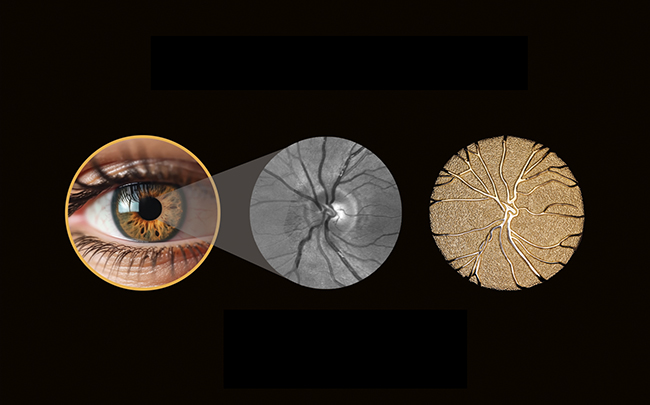
The crown is a universal sign of dignity. RETINA® goes further: your own retina becomes an unmistakable signature – the unique trace of a human being.
The RETINA® Perspective
The crown makes dignity visible. Yet it does not tell how that dignity came to be – which experiences shaped a person and which responsibility they carried. It answers the question: What value do I place on myself?
This is exactly where personal symbolism begins. The crown gives dignity a form. A RetinaSignature can additionally show which story shaped that dignity. Thus a familiar sign becomes a piece of jewelry that exists only once.
From the Crown to the RetinaSignature
The crown can make dignity visible. A RetinaSignature can show which person – and which lived story – stands behind that dignity.
Discuss personal jewelry →Related RETINA® Pages


Related Symbols

Frequently Asked Questions About the Crown Symbol Meaning
What does the crown mean as a symbol?
The crown stands for dignity, responsibility, inner greatness, and self-respect – for a dignity that need not be bestowed and does not depend on rank or status.
What does a crown mean in jewelry?
It usually stands for self-respect, personal strength, and inner greatness – not for rule over others, but for treating oneself with dignity.
What did the crown stand for in the past?
For millennia, the crown was the most visible sign of power, sovereignty, and prestige, distinguishing kings, queens, and rulers.
What does the crown mean today?
Detached from political power, the crown today stands above all for dignity, self-respect, and responsibility for one's own life.
Is the crown a symbol of pride?
More of dignity than of pride. It reminds us that true greatness does not consist in standing above others, but in living up to one's own responsibility.
What are crown regalia?
The ceremonial signs of sovereignty – crown, scepter, and orb – passed down through generations as treasures of state.
Does the crown suit memorial jewelry?
Yes. As a sign of dignity and inner greatness, it is well suited to express personal strength and hard-won maturity.
Who is crown jewelry suited for?
For people who wish to express self-respect, personal strength, or a dignified way of treating themselves.
Is the crown suitable as a gift?
Yes – as a quiet compliment to someone whose character and strength you admire, for instance for a milestone birthday or a new chapter in life.
Which material suits crown jewelry?
Yellow gold echoes the classic royal crowns, while white gold and platinum lend the motif a modern restraint. A single stone can set a fine accent.
Is the crown more feminine or masculine?
Neither. The crown is an open symbol and appears delicate or bold depending on its design – dignity knows no gender.
How does the crown look modern rather than playful?
As a reduced, precise silhouette with a clear pointed form – less ornament, more craftsmanship. This keeps the motif timeless.
What is the difference between the crown and the laurel wreath?
The crown stands for dignity and responsibility, often tied to office and rank. The laurel wreath stands for earned achievement – it is not inherited, it is deserved.
Which symbols pair well with the crown?
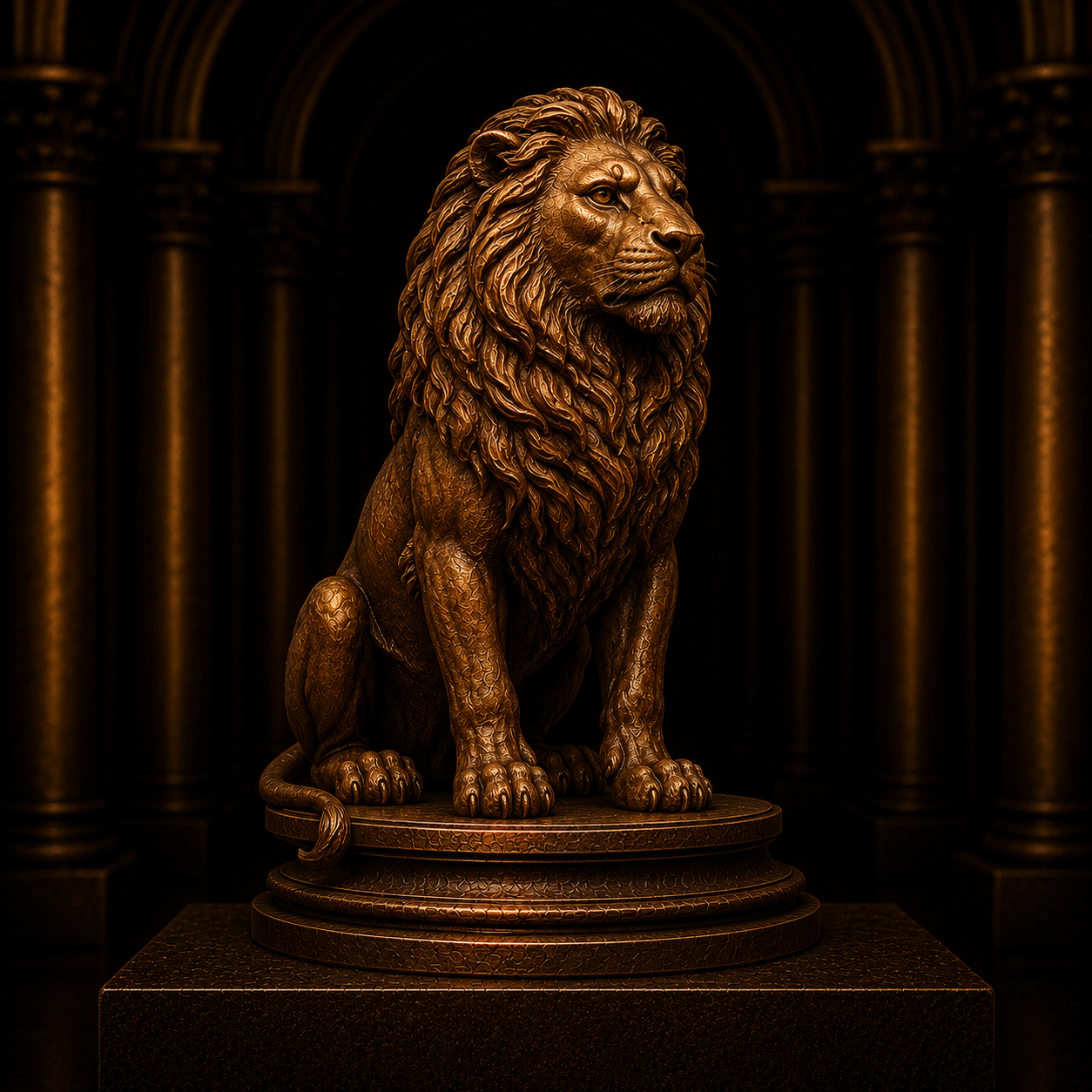
The lion, the laurel wreath, and the star extend the crown with courage, honor, and the striving for something higher.
What is more personal than a crown?
The crown stands for a general idea of dignity. A RetinaSignature additionally points to one specific person and can therefore exist only once.
Sources and Further Reading
Show sources on the history of the symbol
1) On crowns and ancient symbols of sovereignty: Encyclopaedia Britannica: Crown
2) On the crown and kingship in the Middle Ages: The Imperial Crown Project
3) On crown regalia and treasures of state: Royal Collection Trust: The Crown Jewels


Jewelry That Makes Meaning Visible
A symbol can open a story. A RetinaSignature makes it personal. Discover jewelry that gives identity, memory and connection an unmistakable form.
Get in touch →