
Star – Meaning, History and Symbolism
Not every path is visible.
Sometimes a single point of light is enough.
For thousands of years, people have turned their gaze to the night sky. The star recalls a simple, deeply human experience: even in dark times, something can offer guidance.
Discover personal symbolism →Origin
Even the earliest civilizations observed the starry sky to determine time, seasons and routes. Stars were regarded as signs of divine order – as a connection between humankind and the cosmos.
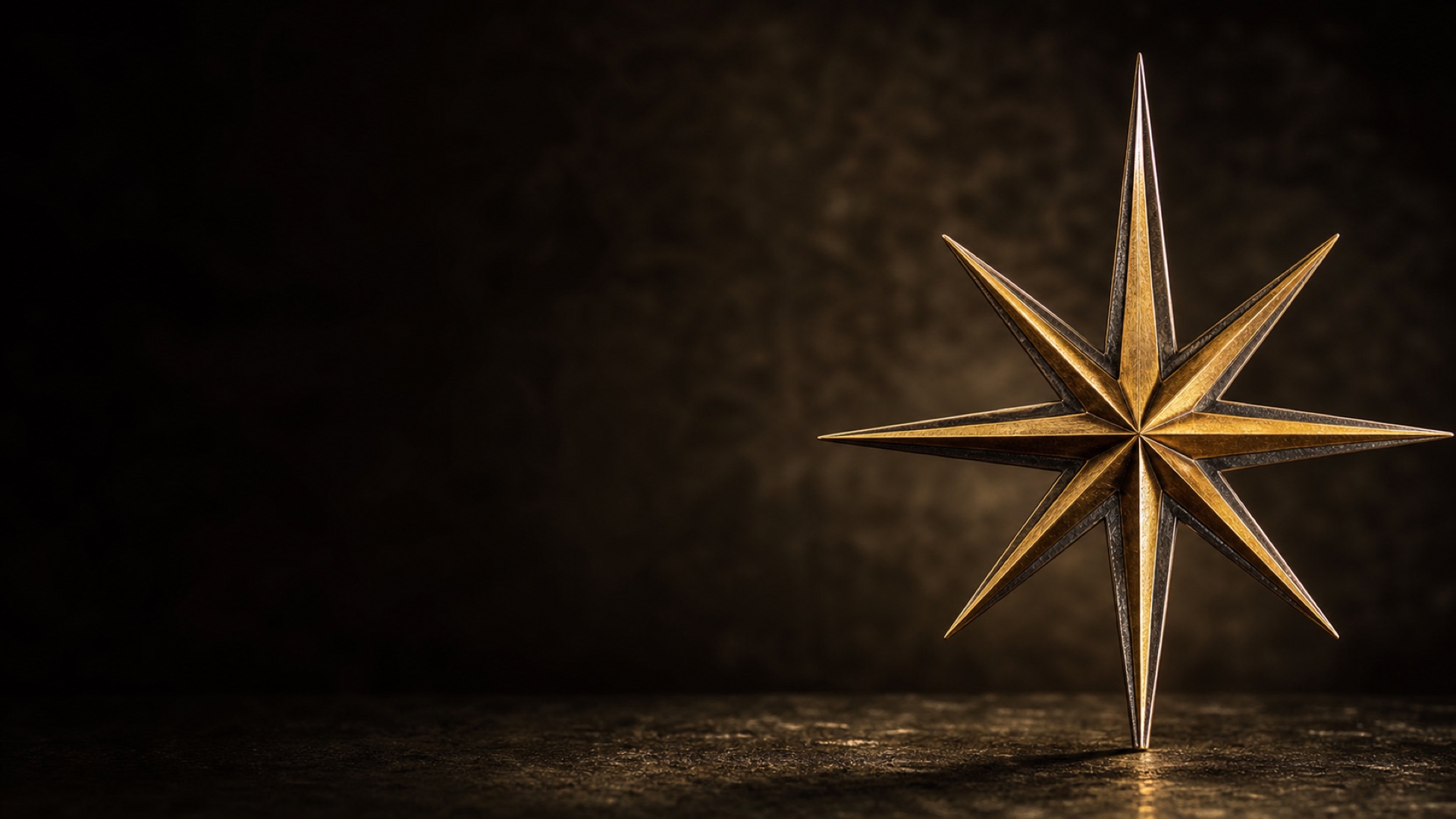
The eight-pointed star of the goddess Ishtar is among humanity's oldest star symbols – crafted in gold and lapis lazuli in Mesopotamia.
Use in Jewelry
In jewelry, the star has been among the most beloved motifs for centuries: as a pendant, ring, bracelet or engraving. Its simple form is understood across cultures.
Many wear star jewelry as a reminder to stay confident, to believe in their own goals – or in memory of a person who gave them guidance.
Symbolic Meaning of the Star
The star is never just a pretty motif. Depending on the context, it stands for hope and confidence, for guidance, for dreams and goals – or for protection along one's path.
It does not describe a destination – it describes the hope that a path exists. Even if it is not yet fully visible.
Hope
The trust that a path exists – even when it is not yet visible.
Guidance
A point of light to steer by.
Dreams
Goals that shine long before they are reached.
Confidence
The belief that morning follows the night.
Protection
A good sign above one's path – for thousands of years.
The Human Longing Behind the Symbol – Star
People do not only wish for guidance. They also wish for hope.
For not every situation can be resolved at once. Not every decision is clear-cut. Not every path is visible from the start.
For some, the star stands for a dream or a goal. Others associate it with a person who gave them guidance, or with a phase of life in which confidence was especially important.
This is precisely why this symbol often accompanies people through times of transition, uncertainty or new beginnings.
Hope does not mean already knowing all the answers. Often, the confidence that a path exists is enough.
The History of the Star as a Symbol
Stars have played a central role since the beginning of human history: as points of orientation for travelers and seafarers – and as signs of hope, protection and guidance.1
Early Civilizations
The eight-pointed Ishtar star is among the oldest star symbols in the world.
Read more
In Mesopotamia, the eight-pointed star was the sign of the goddess Ishtar – crafted in gold and lapis lazuli, worn as an amulet.1
Stars also served as a calendar: their course determined sowing, harvest and festivals. Those who could read the stars understood the order of the world.
From the very beginning, the star thus united both: the practical (time, direction) and the sublime (order, the divine).
Navigation
For centuries, stars guided ships and caravans – above all the North Star.
Read more
Seafarers and caravan leaders set their courses by the stars. The North Star in particular became a symbol of reliability – the only nearly fixed light in the northern sky.2
Star navigation carried people across oceans and deserts long before maps existed for these spaces.
From this experience comes the star's deepest meaning: there is light you can rely on.
Faith & Stories
From the Star of Bethlehem to the constellations: stars tell stories.
Read more
In many traditions, stars announce something momentous – most famously the star that points the way in the Christmas story.
The constellations, in turn, transformed the night sky into a book full of myths: heroes, animals and lovers, placed among the heavens.
Thus the star became a sign that a greater order shines above one's own life.
Jewelry & Modernity
From Victorian celestial jewelry to today's minimalist star.
Read more
In the 19th century, Victorian jewelry loved celestial motifs: star brooches set with diamonds, often given as tokens of hope and fidelity.3
Today, the star is one of the most widely worn minimalist symbols – small, clear, suited to everyday life.
Its strength remains its double meaning: a goal that shines – and a light that accompanies.
The Star in Jewelry
As a pendant, ring or bracelet, the star remains timeless when its design is clear. In its most reduced form, it unfolds its quiet radiance.
Star Pendant
Worn close to the body, the star becomes a quiet sign of confidence.
Star Ring
A point of light around the finger – guidance for every day.
Star Bracelet
Small points of light, close to every gesture of daily life.
From Symbol to Signature
The star is a universal sign. RetinaDesign goes further: rather than making a familiar symbol more personal, your own retina itself becomes an unmistakable signature.
The RetinaDesign Perspective
The star answers a universal question: What do I hope for? It can embody hope, dreams and guidance. Yet it does not say why this hope is meaningful.
This is exactly where personal symbolism begins. The star gives hope a form. A RetinaSignature connects this form with a specific person. Thus a familiar sign becomes a piece of jewelry that exists only once.
From the Star to the RetinaSignature
A star can make hope visible. A RetinaSignature can show which person, which dream or which story stands behind it.
Discuss personal jewelry →Related RetinaDesign Pages
Related Symbols

Frequently Asked Questions About the Star Symbol Meaning
What does the star mean as a symbol?
The star stands for hope, guidance, inspiration and confidence – for the trust that a way can be found even in uncertain times.
Why does the star stand for hope?
Because for thousands of years it has embodied the experience that even in the darkest night a light remains visible – as guidance for travelers and as an image of confidence.
What does a star mean in jewelry?
Star jewelry usually stands for hope, dreams or a person who provides guidance. Its simple form is understood across cultures.
What is the oldest star jewelry?
Among the oldest is the eight-pointed star of the goddess Ishtar from Mesopotamia, crafted in gold and lapis lazuli.
What does an eight-pointed star mean?
The eight-pointed star is the sign of the Mesopotamian goddess Ishtar and represented the planet Venus – one of the oldest documented star symbols of all.
What does a shooting star mean?
Shooting stars are considered moments of luck: whoever sees one may make a wish. In jewelry, the shooting star stands for wishes fulfilled and special moments.
What is the difference between the star and the North Star?
The star stands broadly for hope and dreams; the North Star specifically for a fixed, reliable point of reference. The two complement each other.
Is star jewelry a good gift?
Yes, especially for new beginnings: a birth, a graduation or a fresh start – as encouragement to reach for your own stars.
Is star jewelry timeless?
Yes, as long as the design remains clear. A reduced, precisely crafted star appears more timeless than a very playful motif.
Does the star suit memorial jewelry?
Yes. The star is a dignified choice for remembering a person who gave light and guidance.
Which material suits star jewelry?
Gold and platinum lend the clear form permanence; a single diamond can literally make the star's point of light sparkle.
Is the star more feminine or masculine?
Neither. The star is among the most universal signs of all and, depending on the design, appears delicate or bold.
Does the star mean the same as a tattoo and in jewelry?
The core meanings are similar, but jewelry requires no permanent commitment and can be passed on – as the heirloom of a story.
Which symbols pair well with the star?
Compass, sun and moon extend the star with direction, vitality and change.
What is more personal than a star?
The star stands for a universal idea of hope. A RetinaSignature additionally refers to a specific person and can therefore exist only once.
Sources and Further Reading
Show sources on the history of the symbol
1) On the goddess Ishtar and her star: Encyclopaedia Britannica: Ishtar
2) On Polaris and star navigation: Encyclopaedia Britannica: Polaris
3) On the history of jewelry and celestial motifs: Victoria and Albert Museum: A History of Jewellery
Further Topics


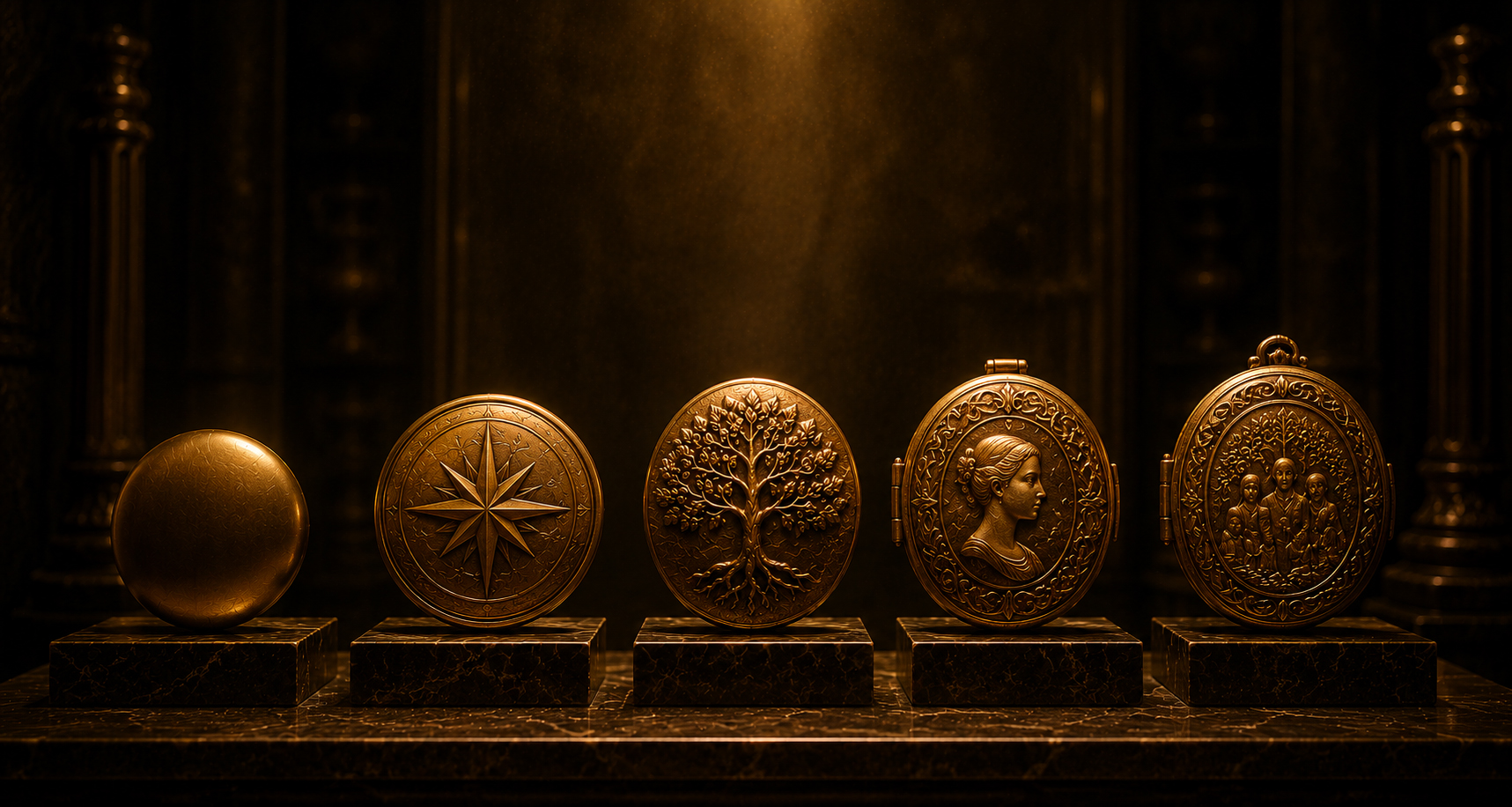
Jewelry That Makes Meaning Visible
A symbol can open a story. A RetinaSignature makes it personal. Discover jewelry that brings identity, memory and connection into an unmistakable form.
Get in touch →