
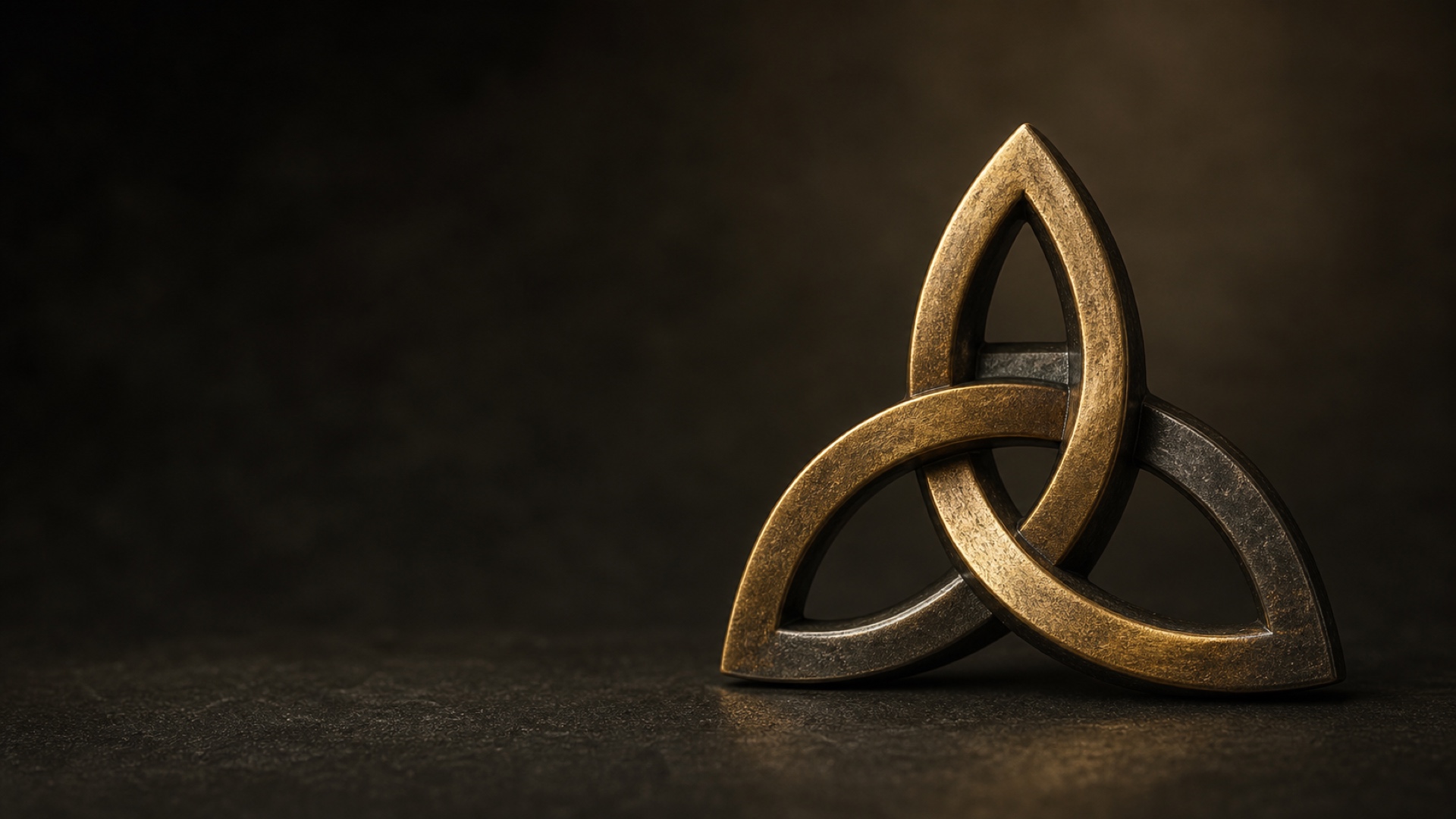
Triquetra – Meaning, History and Symbolism
Some things only become complete,
when they are connected.
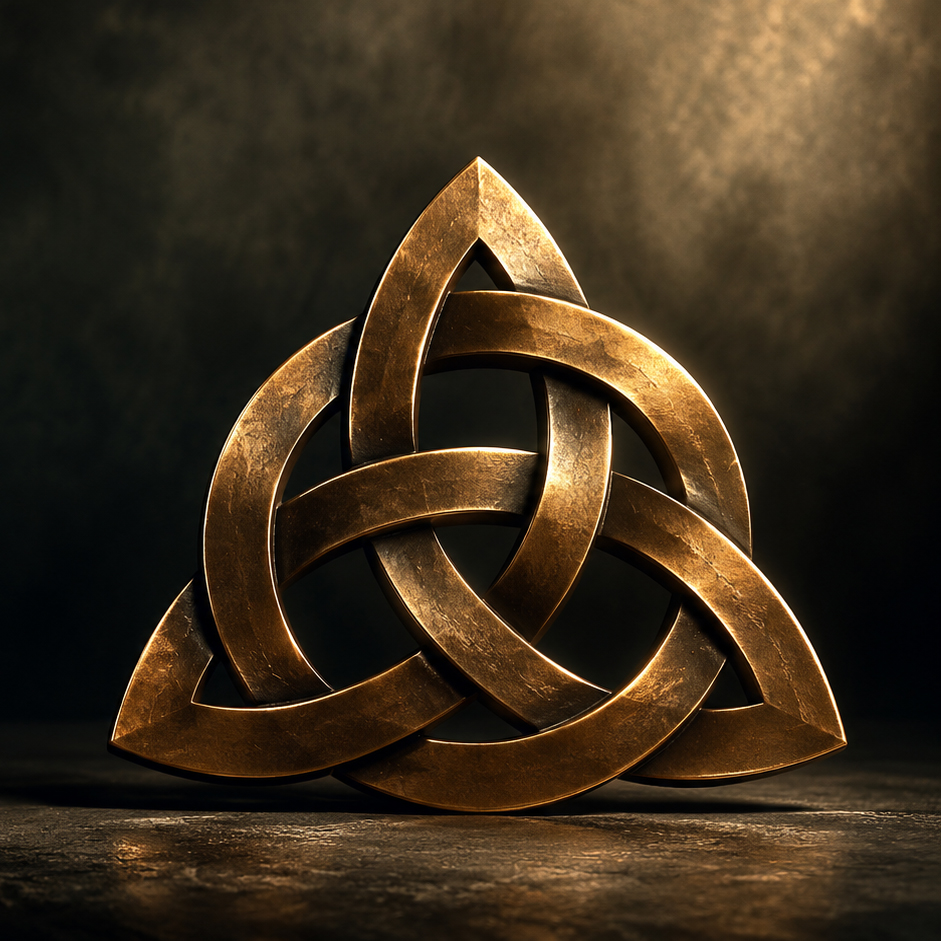
The triquetra is one of the best-known symbols of the Celtic tradition. Its three interlaced arcs form an inseparable unity – and have been associated with wholeness, harmony and connectedness for centuries.
Discover personal symbolism →Origin
Three-arc figures appear as early as antiquity, for instance on Anatolian ceramics and early Lycian coins; later they are found on Northern European runestones.1 The triquetra became famous through the Insular art of Ireland and Britain – above all the Book of Kells, created around the year 800.2
The name goes back to the Latin 'triquetrus' – triangular, three-cornered. Its original meaning has never been conclusively established; yet its association with unity and wholeness has accompanied it for centuries.
Use in Jewelry
In jewelry, the triquetra is often worn as a sign of harmony, balance and lasting connectedness. It is especially popular with people who wish to bring different aspects of their lives into accord.
As a pendant, ring or fine engraving, it looks refined when its lines are precisely crafted: three even arcs, cleanly interlaced – a form that radiates calm precisely because it is so clear.
The Symbolic Meaning of the Triquetra
The triquetra is never merely a decorative knotwork motif. Depending on the context, it stands for wholeness and harmony, for the connection of past, present and future, or for three people who belong together.
Its power lies in its structure: three independent arcs together form a shape that none of them could create alone. Different things can be connected without losing their individuality.
An image of the entire cosmos in a single form.
Three arcs, one form – the whole is more than its parts.
Perfect symmetry as an image of balance.
Different areas of life in accord with one another.
Connection
What is interlaced cannot easily be separated.
Family
Three people, three generations – an inseparable unity.
Continuity
A line without beginning or end – connectedness that endures.
The Human Longing Behind the Symbol – Triquetra
People do not only wish for growth or success. They also wish for the different parts of their lives to fit together: past and future. Mind and feeling. Individuality and belonging.
Perhaps this is exactly what explains the special meaning of the triquetra. For centuries it has been understood as a symbol that different elements can be connected without losing their individuality.
The triquetra does not describe three things. It describes the search for wholeness.
For some people it stands for family. For others, for personal balance or the connection of different areas of life.
Precisely because it is so open, every person can recognize their own triad in it – and make it a deeply personal sign.
The History of the Triquetra as a Symbol
From ancient coins to the Book of Kells and the Celtic Revival: the triquetra accompanies art history as one of the simplest and yet most multilayered knot motifs – its exact original meaning has never been conclusively established.1
Early Traces
Three-arc figures appear long before the Celtic flowering.
Read more
Figures of three interlaced arcs are considerably older than their Celtic fame: they appear from around the 4th century BC on decorated ceramics of Anatolia and Persia as well as on early Lycian coins.1
Related signs of threeness are also found on Northern European runestones and early Germanic coinage; here the triquetra resembles the Norse Valknut of three interlocked triangles.1
What exactly the early cultures associated with the sign has not come down to us. Only the fascination itself is visible: three parts forming an inseparable shape.
Insular Illumination
In the Book of Kells, the triquetra becomes part of an artful cosmos.
Read more
The triquetra found its most famous stage in the Insular art of Ireland and Britain. The Book of Kells, an illuminated manuscript of the four Gospels created around the year 800, is considered the pinnacle of this art – today it is kept at Trinity College Dublin.2
In its pages, spirals, animals and interlace weave into a seemingly endless cosmos of ornament; the triquetra appears there as a recurring element of the interlaced patterns.1
Characteristic is the precision: the lines flow into one another without a break – a craft ideal that remains the standard for good triquetra renderings to this day.
Interpretations of the Triad
From the Trinity to body, mind and soul.
Read more
In the Christian context, the triquetra was interpreted as a sign of the Trinity – Father, Son and Holy Spirit as an inseparable unity. This interpretation spread above all from the Celtic Revival of the 19th century onward, which is why it is also called the trinity knot.1
Alongside it stand many other triads to this day: past, present and future. Body, mind and soul. Land, sea and sky.
That the triquetra carries so many interpretations is not a flaw but its strength: it gives form to a universal experience – that different things can belong together.
Jewelry & Modernity
From the Celtic Revival to a modern symbol of balance.
Read more
With the reawakened interest in Celtic art in the 19th century, the triquetra returned to jewelry and craftsmanship – to this day it is among the most beloved motifs of Irish-inspired jewelry traditions.1
The long history of jewelry as a bearer of meaning, belonging and memory can be traced across millennia.3 The triquetra fits seamlessly into this tradition.
Today it is mostly worn as a sign of harmony, wholeness and the connection of different areas of life – often detached from religious interpretations, but never without meaning.
The Triquetra in Jewelry
As a pendant, ring or fine engraving, the triquetra is an expressive motif. Its clear, symmetrical lines make it a rewarding subject for precise craftsmanship.
Triquetra Pendant
Three interlaced arcs, worn close to the heart – a quiet sign of wholeness.
Triquetra Ring
The trinity knot carried around the finger – connectedness on a small scale.
Triquetra Bracelet
A fine band with an interlaced element, close to every gesture of daily life.
From Symbol to Signature
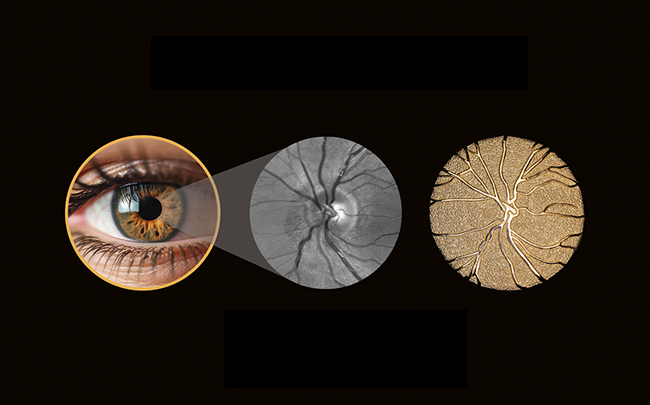
The triquetra is a universal sign. RETINA® goes further: instead of making a well-known symbol more personal, your own retina itself becomes an unmistakable signature.
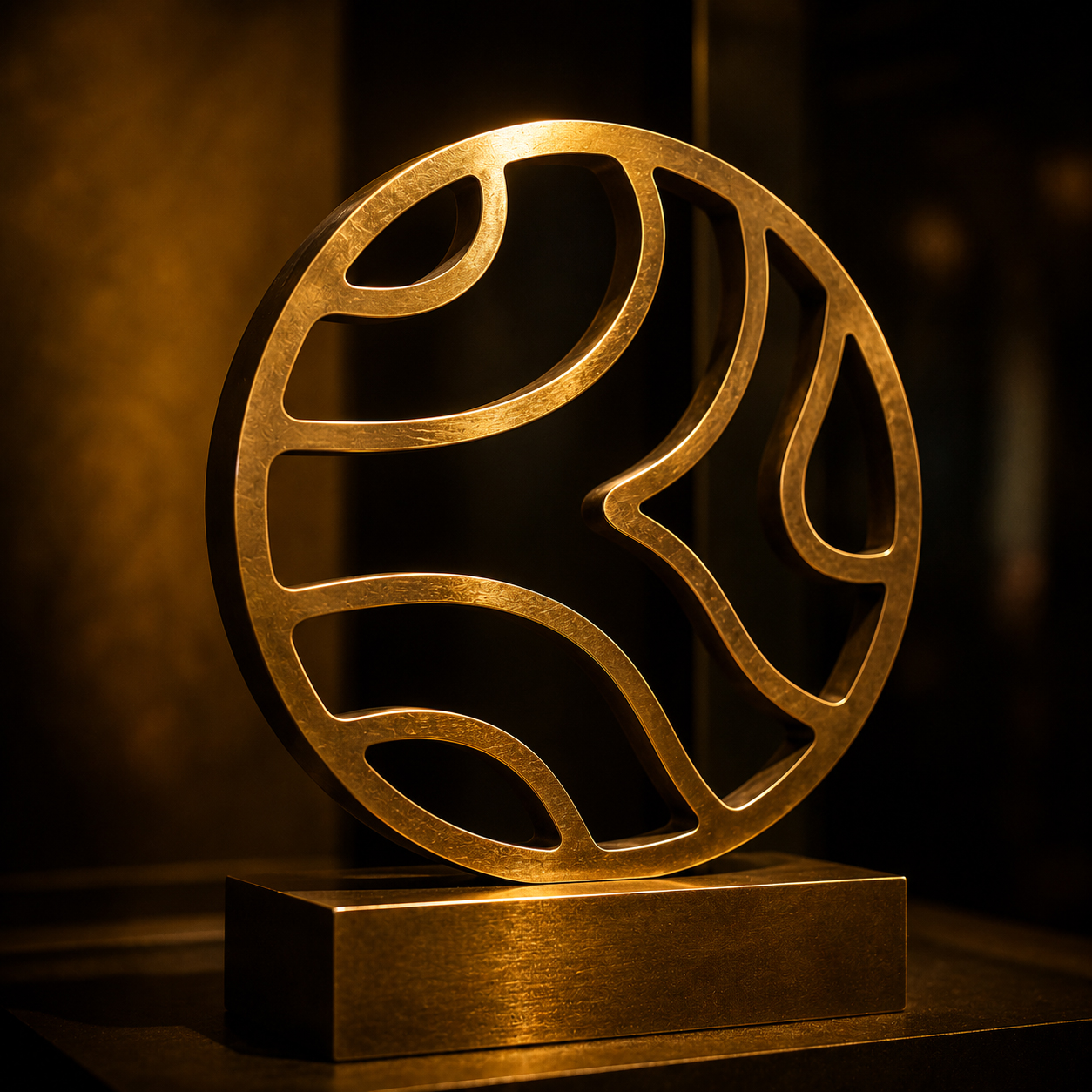
The RETINA® Perspective
The triquetra has a particular strength: it makes wholeness visible. Yet it does not tell which experiences have made a person complete – or which people belong to their triad. It answers the question: what belongs together?
This is exactly where personal symbolism begins. The triquetra gives wholeness a form. A RetinaSignature can additionally show why something belongs together. In this way, a universal knot becomes a sign that tells only a single story.
From the Triquetra to the RetinaSignature
The triquetra can make wholeness and connectedness visible. A RetinaSignature can show which person – and which story – stands behind this connectedness.
Discuss personal jewelry →Related RETINA® Pages


Related Symbols


Frequently Asked Questions About the Triquetra Meaning
What does the triquetra mean?
The triquetra symbolizes wholeness, harmony and the joining of different aspects of life into a greater whole. Its three arcs form an inseparable unity without beginning or end.
Where does the triquetra come from?
Three-arc figures appear as early as antiquity, for instance on Anatolian ceramics and early coins. The triquetra became famous through the Insular art of Ireland and Britain, above all the Book of Kells. Its original meaning has never been conclusively established.
What does the name triquetra mean?
The name goes back to the Latin word 'triquetrus' and means “triangular” or “three-cornered” – a reference to the figure's three interlaced arcs.
Is the triquetra a Celtic symbol?
The triquetra is closely tied to Celtic and Insular art, in which it found its most famous form. However, older precursors of the motif also existed in other cultures.
What does the triquetra mean in Christianity?
In the Christian context, the triquetra is interpreted as a sign of the Trinity – Father, Son and Holy Spirit as an inseparable unity. This is why it is also called the trinity knot.
What do the three arcs of the triquetra stand for?
Depending on the interpretation, they stand for past, present and future, for body, mind and soul, for land, sea and sky – or for three people who belong together.
What does the triquetra mean in jewelry?
In jewelry, the triquetra usually stands for harmony, balance and lasting connectedness. It is favored by people who wish to bring different areas of life into accord.
What does a circle in the triquetra mean?
A circle running through or enclosing the three arcs emphasizes the unity and endlessness of the connection – the whole is additionally held together.
What is the difference between the triquetra and the Celtic knot?
The triquetra is the simplest form of a knot: three interlaced arcs. Celtic knots, beyond that, comprise a whole family of interlace patterns without beginning or end.
Which material suits triquetra jewelry?
Gold emphasizes the warmth of the motif, platinum and white gold its clear lines. What matters is the precise crafting of the interlaced arcs.
Is the triquetra more feminine or masculine?
Neither. The triquetra is an open symbol and appears delicate or bold depending on the design. Proportion, material and finish are what matter.
How does the triquetra look modern rather than folkloric?
It looks modern as a reduced, precise line with clear symmetry – less ornament, more craftsmanship. This keeps the motif timeless.
Which symbols pair well with the triquetra?
The Celtic knot, yin and yang and the infinity symbol extend the triquetra with continuity, balance and permanence. The Tree of Life is also close to it.
Does the triquetra suit memorial jewelry?
Yes. As a sign of three people who belong together – such as children, siblings or generations – it is especially suited to family and memorial jewelry.
What is more personal than a triquetra?
The triquetra stands for a universal idea of wholeness. A RetinaSignature additionally points to a specific person and can therefore exist only once.
Sources and Further Reading
Show sources on the history of the symbol
1) On the history and interpretation of the triquetra: Wikipedia: Triquetra (Trinity knot)
2) On the Book of Kells and Insular book art: The Library of Trinity College Dublin: The Book of Kells
3) On the history of jewelry and ornament motifs: Victoria and Albert Museum: A History of Jewellery
The sources serve historical and cultural contextualization. The jewelry correlation is an editorial RETINA® interpretation based on documented symbol history and brand philosophy.


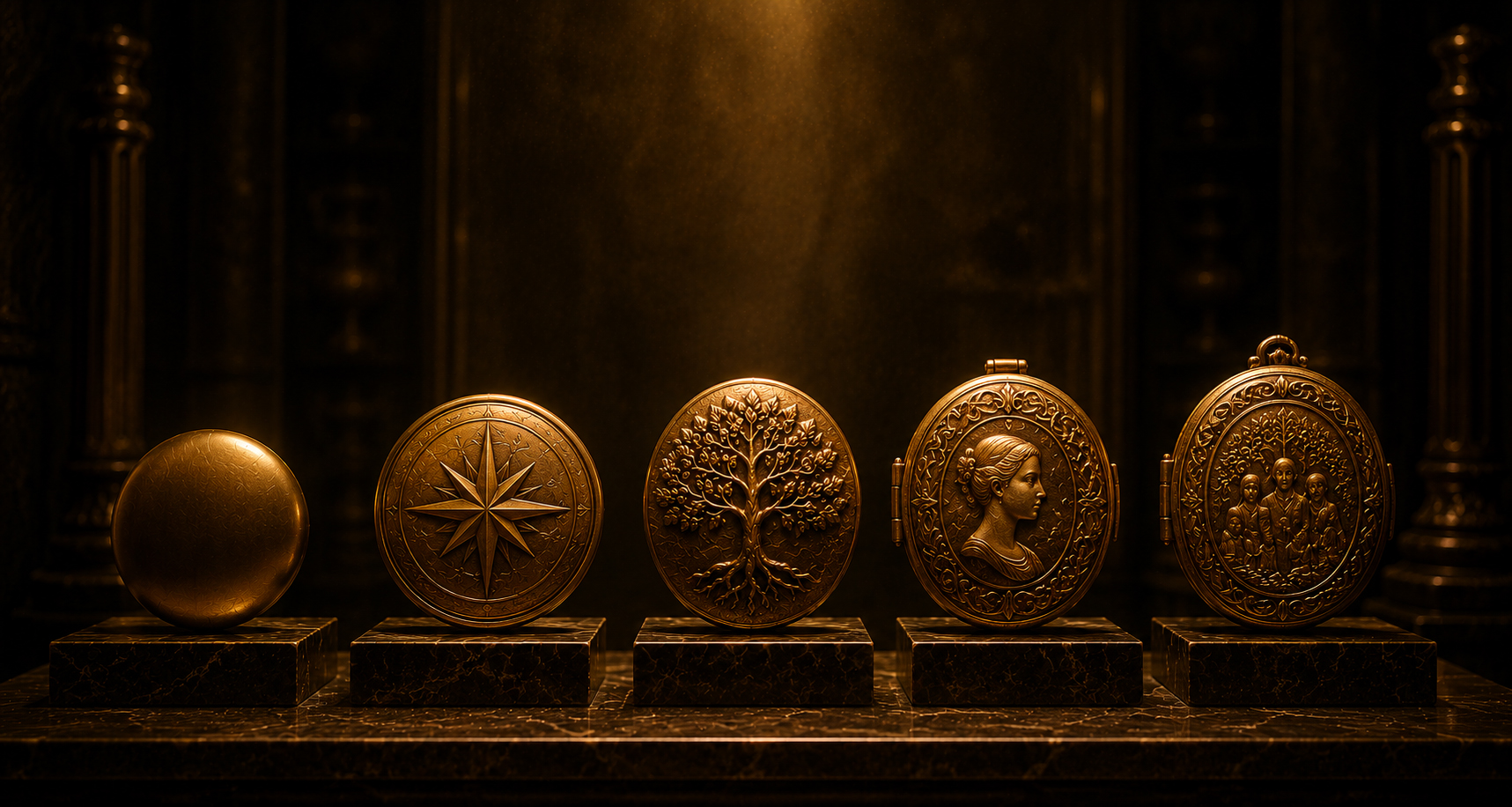
Jewelry That Makes Meaning Visible
A symbol can open a story. A RetinaSignature makes it personal. Discover jewelry that gives identity, memory and connection an unmistakable form.
Get in touch →