
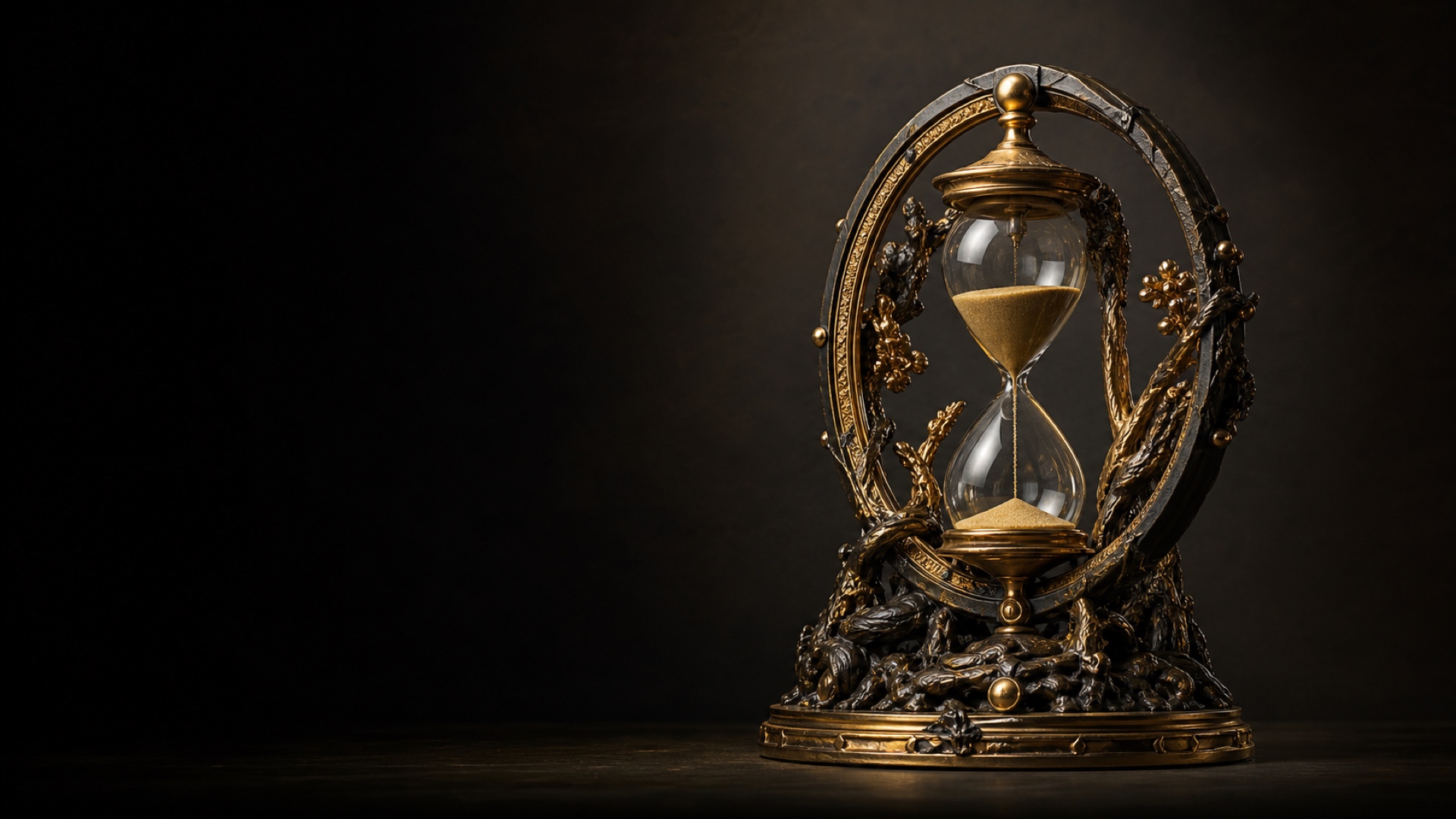
Time – Meaning, History and Symbolism
Some things become precious
because they do not last forever.
Time is one of the few things all people share – and of which no one has enough. Perhaps that is exactly what explains its special meaning.
Discover personal symbolism →Origin
Since the first sundials, people have tried to make time visible. Yet as a symbol it reaches deeper than any measurement: seasons, phases of the moon and the ages of life made change a fundamental human experience.
We can save money, gather knowledge, increase possessions – time, however, passes regardless of what we do. That is exactly where its symbolic power lies.
Use in Jewelry
For millennia, people have kept time in objects: rings, pendants, family pieces, watches. These things do not stop time – but they help give it meaning.
Perhaps that is one of the oldest tasks of jewelry: not beauty alone, but remembrance.
Symbolic Meaning of Time
Time does not make many things smaller – it makes them more meaningful. A sunset would be less precious if it lasted forever. Depending on the story, time stands for moments, change, memory, life's path or legacy.
We do not experience time in minutes. We experience it in stories.
Moments
Instants that shape a life.
Change
Seasons, phases of life – nothing stays, everything becomes.
Remembrance
What remains when the moment has passed.
Life's Path
A life is not made of moments, but of their sequence.
Legacy
Not everything remains. But some things live on.
The Human Longing Behind the Symbol – Time
People want to hold on: to moments, people, phases of life, memories. Yet life follows a different logic – children grow up, seasons change, people come and go.
Here lies one of the most fundamental tensions of human experience: we want to preserve – and must learn to let go.
Perhaps that is exactly why time occupies us. Not because it passes. But because it gives everything meaning.
A sunset would be less precious if it lasted forever. An encounter less valuable if it could be repeated without limit.
Time does not make many things smaller. It makes them more meaningful.
The History of Time as a Symbol
From the first sundials to the cycles of nature to the question of legacy: how we deal with time shapes every culture in human history.1
Early Timekeeping
People made time visible and measurable early on.
Read more
The oldest sundials emerged around 3500 BC in Egypt – the desire to grasp time is as old as civilization itself.1
Yet what was measured was only its passing. What time means remained a question of interpretation.
That is why it became a subject of myth and philosophy early on.
Cycles of Nature
Seasons and phases of the moon shaped the understanding of time.
Read more
Before the clock, nature was the dial: the sun's course, the phases of the moon and the seasons structured life.
Many cultures therefore thought of time not as a line but as a circle – as the eternal return of sowing and harvest, becoming and passing.
Both images shape our understanding of time to this day: the line of life's path and the circle of return.
Time & Memory
Objects became carriers of time gone by.
Read more
People rarely remember times of day. They remember instants, conversations, people, phases of life.
For millennia, they have kept these memories in objects: rings, pendants, family pieces.2
These things do not stop time – but they give it meaning.
Modern Times
Today, time asks above all: what remains?
Read more
In an accelerated world, time becomes the most precious of goods – and the question of legacy more pressing: which memories, values and traces remain?
Not everything remains. But some things live on – through people, memories and objects that keep a story.
The message of time remains: meaning arises from limits.
Time in Jewelry
Jewelry is time made solid: it preserves moments, accompanies phases of life and carries stories on across generations.
Time Pendant
A precious moment, worn close to the heart.
Time Ring
A chapter of life, given lasting form.
Time Bracelet
Memory, close to every gesture of everyday life.
From Symbol to Signature
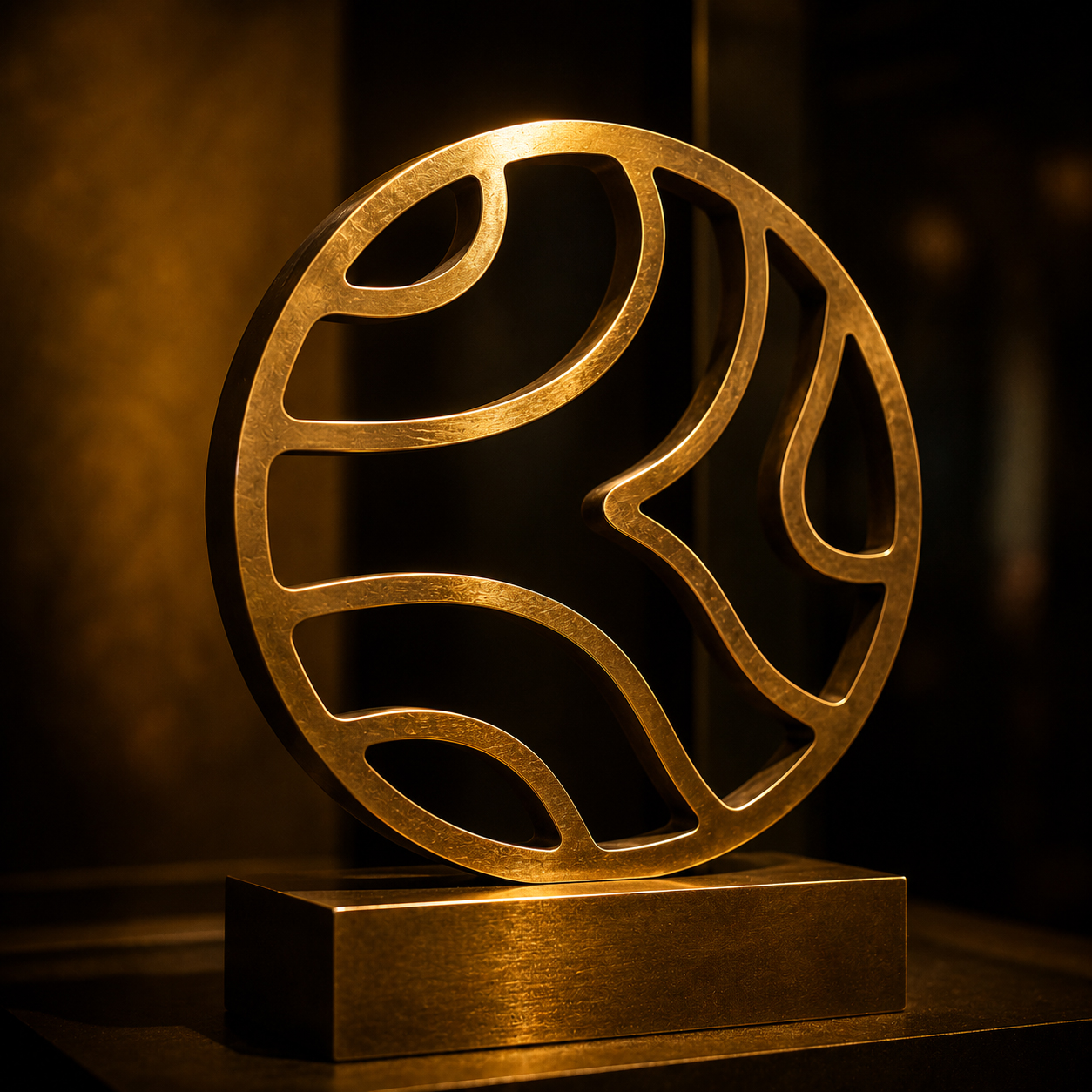
Time is a universal sign. RETINA® goes further: instead of making a familiar symbol more personal, your own retina itself becomes an unmistakable signature.
The RETINA® Perspective
Time answers an important question: what is precious? But it does not tell which people have shaped a lifetime and which memories should remain.
This is exactly where personal symbolism begins. A RetinaSignature does not stop time. But it can make visible what has given this time its meaning – a relationship, a family, a shared path through life. Time passes. Meaning can remain.
From Time to the RetinaSignature
Time passes. A RetinaSignature can show what gave it meaning.
Discuss personal jewelry →Related RETINA® Pages


Related Symbols


Frequently Asked Questions About the Time Symbol Meaning
What does time mean as a symbol?
Time stands for change, impermanence, precious moments and life story – and for the insight that limits create meaning.
Why does time occupy people so deeply?
Because it is the only thing everyone shares and no one can increase. We want to preserve – and must learn to let go.
Why does impermanence make things valuable?
A sunset would be less precious if it lasted forever. Precisely because moments pass, they receive their meaning.
What does time mean in jewelry?
Jewelry preserves time: it recalls moments, people and phases of life and carries stories on across generations.
How do people experience time?
Rarely in minutes or hours – but in stories. Those who look back see no calendars, only memories.
Is time a line or a circle?
Both: many cultures thought of time as the eternal return of cycles, others as the line of life's path. Both images shape our understanding to this day.
What connects time and legacy?
The question of what remains: memories, values, stories, traces. Not everything remains – but some things live on, through people and through objects that keep a story.
What distinguishes time and the clock as symbols?
Time is the experience, the clock its sign: it makes the intangible measurable. The symbolism of time reaches further than any measurement.
Does time suit memorial jewelry?
Yes, at its core all memorial jewelry is time jewelry: it gives past time a lasting form.
Which material suits time jewelry?
Gold and platinum – materials that do not pass away. They make the contrast to fleeting time itself part of the message.
Is time more feminine or masculine?
Neither. Time is the most universal of all experiences and, as a symbol, completely open.
How does the time motif look modern rather than melancholy?
It looks modern when it celebrates the present instead of mourning impermanence: clear forms, precious materials, a specific moment as the occasion.
Do time as a tattoo and in jewelry mean the same?
The core meanings are similar, but jewelry involves no permanent commitment and can be passed on – as the heirloom of a story.
Which symbols go well with time?
Infinity, Spiral, Moon and Clock extend time with duration, return, cycles and measurability.
What is more personal than time?
Time is universal – its meaning is personal. A RetinaSignature makes visible who gave a lifetime its meaning.
Sources and Further Reading
Show sources on the history of the symbol
1) On early timekeeping: Encyclopaedia Britannica: Sundial
2) On the history of jewelry as a carrier of memory: Victoria and Albert Museum: A History of Jewellery


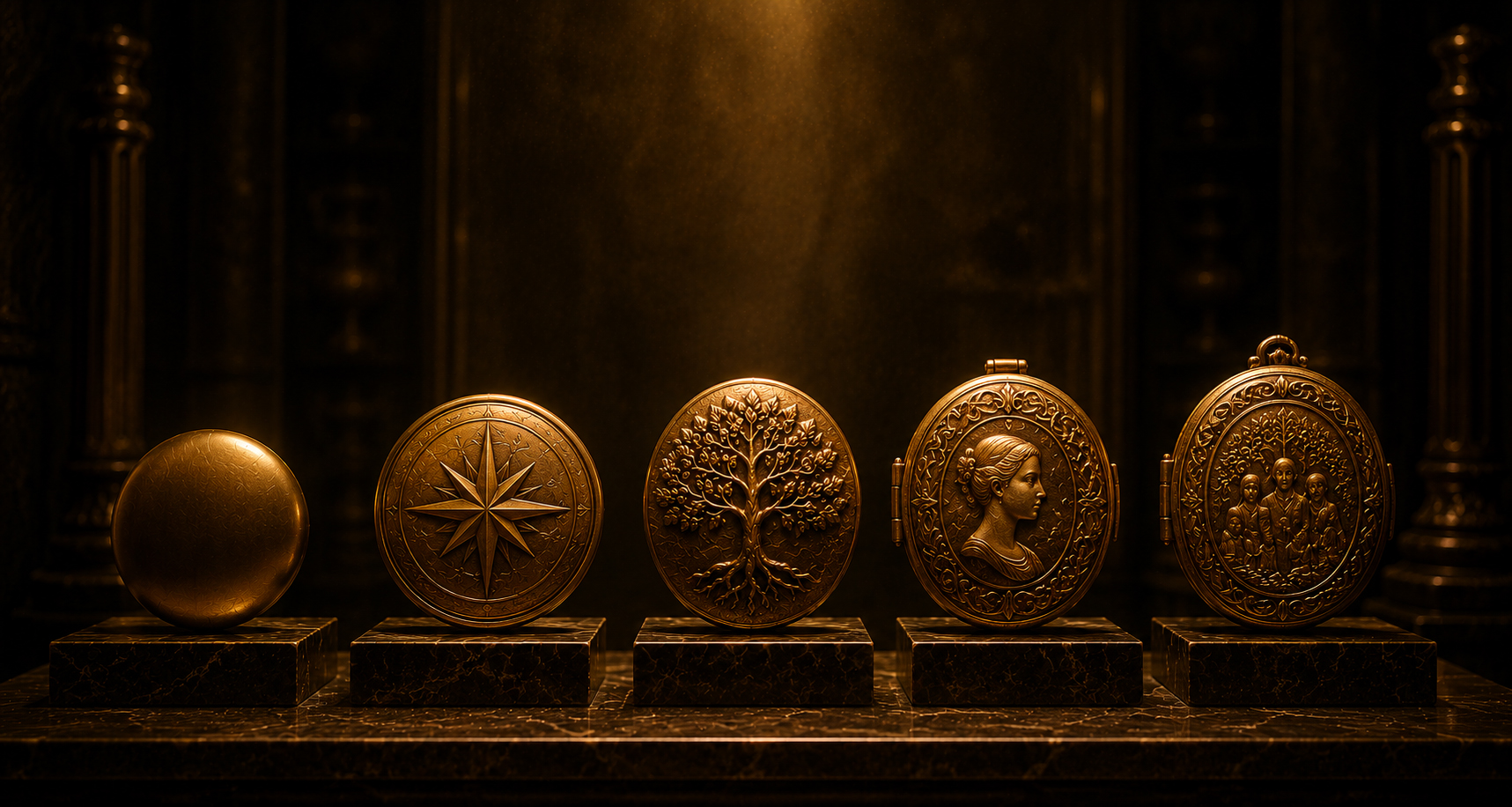
Jewelry That Makes Meaning Visible
A symbol can open a story. A RetinaSignature makes it personal. Discover jewelry that gives identity, memory and connection an unmistakable form.
Get in touch →