

Rose – Meaning, History and Symbolism
Love is not always gentle.
The rose reminds us of that.
The rose unites what rarely comes together: beauty and vulnerability, affection and farewell. That is exactly why it carries more meaning than almost any other flower.
Discover personal symbolism →Origin
The rose has accompanied humanity since antiquity. In Persian, Greek, Roman and later Christian imagery it appears as a sign of beauty, love, mystery and veneration. The blossom itself was cultivated early on, but its symbolic power grew out of its sensuality: color, fragrance, form and thorns made it a natural metaphor.
Because roses are at once seductive and transient, they early became images of human feelings. A rose is beautiful, but not lasting. That is precisely where its meaning lies.
Use in Jewelry
In jewelry, the rose appears as a relief, engraving, pendant, ring motif or floral ornament. In gold and rose gold especially, it unfolds a warm, intimate effect. Diamonds or colored stones can accentuate the blossom without overloading it decoratively.
Used with quality, the rose should not appear kitschy. Its strongest form is often reduced: a hinted blossom, a thorn, a line or a structure that does not proclaim love but carries it quietly.
Symbolic Meaning of the Rose
The rose is never merely a sign of romantic love. Depending on story, color and context, it can express appreciation, longing, remembrance or the beauty of a fleeting moment.
It stands for love, beauty, devotion, mystery, remembrance and transience. Its thorns remind us that true closeness includes vulnerability. Its blossom stands for unfolding and abundance; its fading points to time.
Love
Affection, desire and the decision to turn toward another person.
Beauty
The rose recalls the precious that needs no explanation.
Gratitude
A sign that a person or a moment is not overlooked.
Transience
Blossom, fragrance and wilting make time visible without dramatizing it.
Remembrance
The rose can preserve closeness beyond a farewell.
The Human Longing Behind the Symbol – Rose
For many people, the rose is first of all a symbol of love. Yet its stronger effect often lies elsewhere: it makes us feel that something is precious precisely because it does not remain a given.
A rose does not bloom forever. Its beauty therefore demands attention. It recalls the value of a moment, a relationship or a person before they become routine.
Perhaps that is why it is chosen for birthdays, weddings, anniversaries and farewells. It can say affection, but also gratitude, admiration or: To me, you are not replaceable.
Its thorns are part of it. They keep the rose from becoming a purely smooth, pleasing idea. Love can be joy, but also courage, vulnerability and the willingness to let oneself be touched.
In jewelry, the rose becomes especially strong when it does not lose this ambivalence: not as a sweet motif, but as a quiet sign that beauty and meaning can be bound together.
The History of the Rose as a Symbol
The rose has accompanied humanity since antiquity. In Persian, Greek, Roman and later Christian imagery it appeared as a sign of beauty, love, mystery and veneration. Color, fragrance, form and thorns made it a natural metaphor: seductive and transient at once. It was precisely this tension that let it become an image of human feelings.1
Antiquity
In the Mediterranean world of images, the rose stood for beauty, desire and the sphere of love.
Read more
In Greek and Roman antiquity, the rose was closely tied to goddesses of love, festivals and sensuality. In the ancient Mediterranean world, plant imagery was rarely merely decorative: it connected nature, season, cult and human desires. The rose was thus associated early with beauty, fragrance, festivity and the world of love.
What matters is less the idea of a single, unchanging 'original meaning'. What is decisive is this: early on, a flower could express more than itself. It became a bearer of appreciation, longing and the joy of life.
This openness shapes the rose to this day. It is not just a sign for a feeling, but a form in which people can make feelings visible.
Middle Ages
In the Middle Ages, the rose joined religious imagery, courtly love and the idea of the beloved.
Read more
In the Middle Ages, the rose gained additional religious meanings, especially as a symbol of purity, Mary and mystical love. In medieval art and poetry it held several layers at once: it could be linked with Mary, charity and salvation; at the same time, in allegories of love, it became the image of the beloved and of sensual beauty.1
It is precisely this ambiguity that makes the rose so enduring. It did not have to choose between spiritual and worldly meaning. It could suggest devotion, purity, desire and longing all at once.
For jewelry, this holds to this day: a rose can be romantic without becoming banal – provided its design leaves room for the personal story behind it.
Court, Heraldry & the Victorian Era
The rose became a sign of family, belonging and public identity.
Read more
In European heraldry, the rose appeared on coats of arms, seals and jewelry. Especially well known is the Tudor rose, which became visible as a dynastic sign in English court culture.2
The Victorian era also developed a pronounced language of flowers. Rose colors could carry different messages: red for passionate love, white for purity, pink for affection and yellow – depending on context – for friendship or jealousy. Jewelry took up these codes and made them wearable.
This expands the symbolism: the rose stands not only for personal love but also for origin, loyalty and the connection to a larger story.
A piece of jewelry can take up these two layers: outwardly it appears beautiful, inwardly it carries a concrete relationship or memory.
Modern Times
Today the rose is universally readable – and regains depth through personal interpretation.
Read more
Today the rose is once again read more strongly as a symbol of personal meaning. It can stand for a love story, a person, beauty despite vulnerability or the memory of something unrepeatable. In perfume, fashion, tattoos, art and jewelry, its great strength remains its immediate readability; without personal context, however, it can become mere decoration.
The decisive question is therefore not whether the rose still has meaning. But rather: which story does it receive? As the memory of a person, as a sign of a new beginning or as a quiet expression of gratitude, it becomes unmistakable again.
Read this way, the rose is not nostalgic. It is an open symbol that takes up a personal experience.
The Rose in Jewelry
As a pendant, fine engraving, locket or organic detail, the rose remains timeless in jewelry as long as it does not overdo the illustrative. It works especially well reduced, precisely crafted and connected to a personal layer.
Rose Pendant
Worn close to the body, the rose becomes a quiet sign of affection or remembrance.
Rose Engraving
As an engraving, the rose preserves its meaning without dominating the form of the piece.
Rose in a Ring
An abstracted blossom or a fine line can complement a ring poetically without appearing kitschy.
From Symbol to Signature
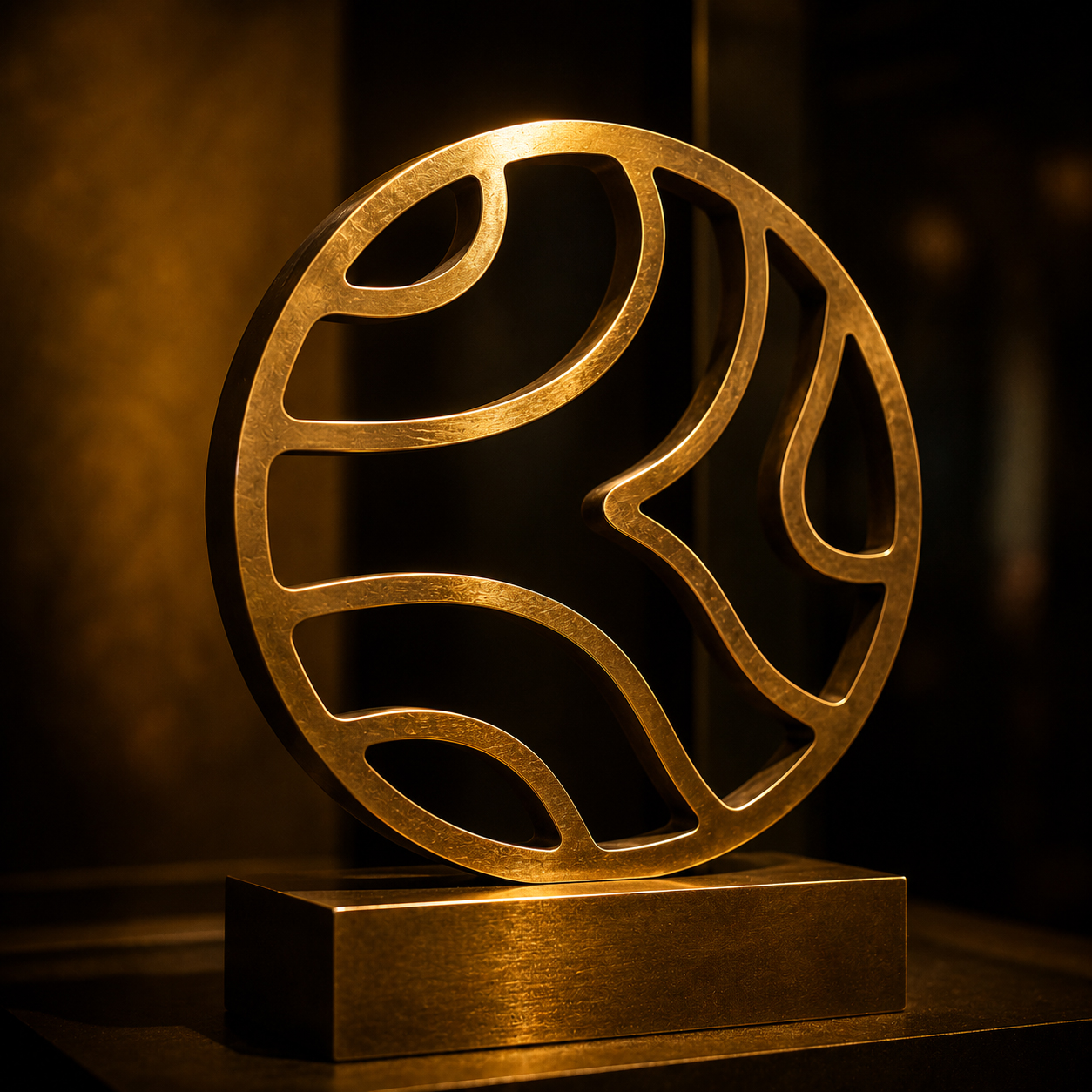
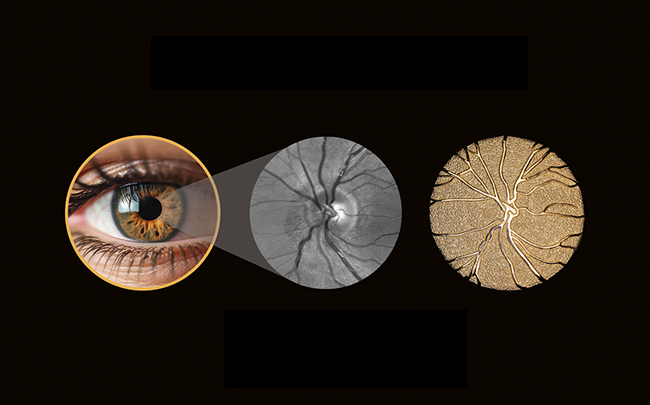
Universal symbols tell of shared meanings. RETINA® tells of one person: through the unmistakable signature of their retina.
The RETINA® Perspective
The rose answers a universal question: What is precious? It can embody love, beauty, gratitude or remembrance. Yet it does not yet say who holds this meaning in your life.
This is exactly where personal symbolism begins. The rose gives a feeling a form. A RetinaSignature connects this form with one specific person. Thus a familiar symbol becomes a piece of jewelry that is not interchangeable.
From the Rose to the RetinaSignature
A rose can make beauty and affection visible. A RetinaSignature can show which person, which relationship or which memory stands behind it.
Discuss personal jewelry →Related RETINA® Pages


Related Symbols


Frequently Asked Questions About the Rose Symbol Meaning
What does the rose mean as a symbol?
The rose often stands for love, beauty, gratitude and remembrance. Through thorns and transience it can also express vulnerability, maturity and the value of a precious moment.
Why does the rose stand for love?
Over centuries, the rose was linked with beauty, affection and longing in art, poetry and rituals of giving. Today it is read above all as romantic love, without being limited to it.
What does a rose mean in jewelry?
Rose jewelry can express love, gratitude, a new beginning or the memory of a person. Its effect grows stronger when it ties into a concrete personal story.
Is the rose only a romantic symbol?
No. A rose can just as well mean familial love, friendship, admiration, grief or a personal memory.
What do the thorns of the rose stand for?
The thorns can be read as an image of protection, vulnerability or the fact that what is valuable is not always effortless. They give the symbol depth.
Is rose jewelry timeless?
Yes, if the design stays clear. A reduced, precisely crafted rose often appears more timeless than a very illustrative or decorative motif.
Does a rose suit memorial jewelry?
Yes. The rose can symbolize a person, a farewell or a lasting bond with dignity – especially as an engraving, a locket or a restrained detail.
Which symbols go well with the rose?
Heart, infinity, Tree of Life, ring and star extend the rose with love, permanence, connection, growth or orientation.
Can a rose appear modern?
Yes. It appears modern above all as an abstract line, a single blossom form or an organic detail rather than a decorative illustration.
What is more personal than a rose?
The rose stands for a universally understood idea. A RetinaSignature additionally points to one specific person and can therefore exist only once.
Sources and Further Reading
Show sources on the history of the symbol
1) On the symbolic diversity of the rose in medieval art: The Met: Botanical Imagery in European Painting
2) On the rose in heraldry and love symbolism: The Met: The Garden in Heraldry
3) On the Tudor heart pendant with rose motif: British Museum: The Tudor Heart Appeal
4) On the history of jewelry and botanical motifs: Victoria and Albert Museum: A History of Jewellery


Jewelry That Makes Meaning Visible
A symbol can open a story. A RetinaSignature makes it personal. Discover jewelry that gives identity, memory and connection an unmistakable form.
Get in touch →