

Love has no form.
The heart gives it one.
The heart is the most recognized symbol in the world. For centuries it has stood for love, connection and what truly matters between people.
Discover personal symbolism →
Discover personal symbolism →Origin
In the Middle Ages, its symbolism shifted more strongly toward love, fidelity and devotion. A sign for the inner self became a form through which closeness, longing and attachment were made visible.
Use in Jewelry
Use in Jewelry
As a fine detail, a heart can carry love, gratitude or memory. Combined with an individual signature, the familiar symbol becomes a piece of jewelry that points to one specific person.
Symbolic Meaning of the Heart
The heart is multilayered. Its best-known meaning is love. Yet in jewelry its symbolism reaches far beyond it: it can express closeness, gratitude, memory, compassion and courage.
Love
Love
Connection
Connection
Compassion
Empathy, kindness and human warmth toward others.
Courage
Courage
Memory
Remembrance
The Human Longing Behind the Symbol – Heart
For many people, the heart first stands for love. Yet those who look more closely often discover more.
Some associate it with a partnership. Others with their children, their family or a deep friendship. Still others think of a person who is no longer there – and who nevertheless keeps a firm place in their life.
Perhaps this is precisely where the heart's particular power lies: it does not describe a specific relationship.
It describes the meaning of a relationship. Love is among the experiences that are hardest to hold on to. You can feel it, you can describe it – yet it often seeks a form. The heart gives it that form.
This is precisely why the heart often meets people at turning points: at an engagement or wedding, at the birth of a child, as a sign of gratitude or in memory of a loved one.
The History of the Heart as a Symbol
The heart shape is not a purely romantic sign. Its meaning ranges from ancient ideas of soul and truth to memorial jewelry, love tokens and modern personal signatures.
Antiquity1
Antiquity
Read more
Read more
This idea shows that the heart originally meant far more than romantic love. It was a symbol of what makes up a person's innermost being.1
Where today's heart shape comes from has not been conclusively established. One much-discussed theory points to the seeds of the ancient plant silphium, which appear on coins from Cyrene.
Middle Ages2
Middle Ages
In the European Middle Ages, the meaning of the heart shifted more strongly toward love, fidelity and devotion. In manuscripts, courtly love poetry and religious imagery, the heart appears as something that can be given, kept, wounded or lost.
Read more
An abstract feeling received a recognizable form. The gesture of giving someone one's heart became a cultural metaphor that is still immediately understood today.3
At the same time, the symbolism remained ambivalent. The heart stood not only for romantic affection, but also for pain, longing, sacrifice and attachment.
Victorian Era
In jewelry, the heart became a bearer of love, mourning and remembrance.
The Victorian era produced a rich language of sentimental jewelry. Hearts appeared in lockets, brooches, rings and pendants. They were combined with locks of hair, miniatures, initials, engravings, enamel or gemstones and carried messages that were often legible only to the initiated.
Read more
Especially in mourning and memorial jewelry, the heart became a vessel for closeness beyond absence. Here, jewelry was not mere adornment, but a quiet archive of personal relationships.4
Modern Era5
Modern Times
In the present day, the heart is everywhere: in messages, emojis, logos, tattoos, jewelry, advertising and digital gestures. This universal legibility is its great strength.
Read more
At the same time, a heart can seem interchangeable when it is used without a personal dimension. The question for our time is therefore not whether the heart still has meaning. The question is how it becomes personal again.
A heart gives love a form, but a personal signature shows to whom that love belongs.
Heart in Jewelry
In jewelry, the heart appears as a pendant, locket, engraving, ring detail or bracelet. It becomes powerful when it is not staged too sweetly, but remains calm, refined and personal.
Heart Pendant
A visible sign of closeness, gratitude or memory.
Locket
A classic piece of jewelry for what may remain hidden.
Heart Engraving
As a small engraving, the heart becomes an intimate detail.
Heart in the Retina Pattern
Universal symbolism combines with uniqueness.
Universal symbolism meets uniqueness.
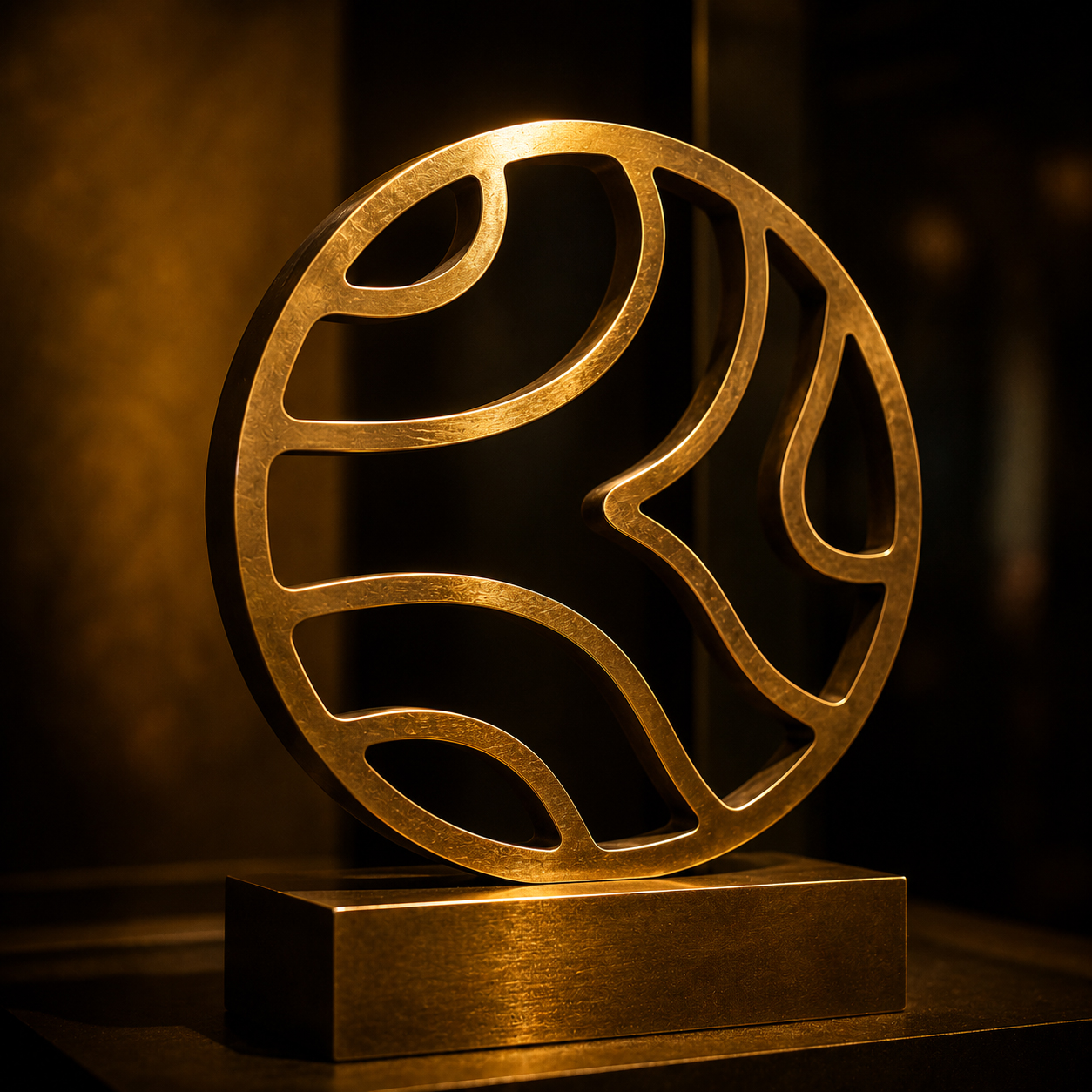
The RETINA® Perspective
Universal symbolism answers the question:
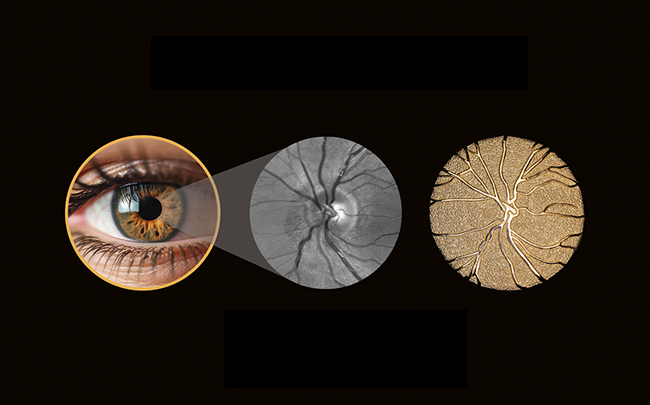
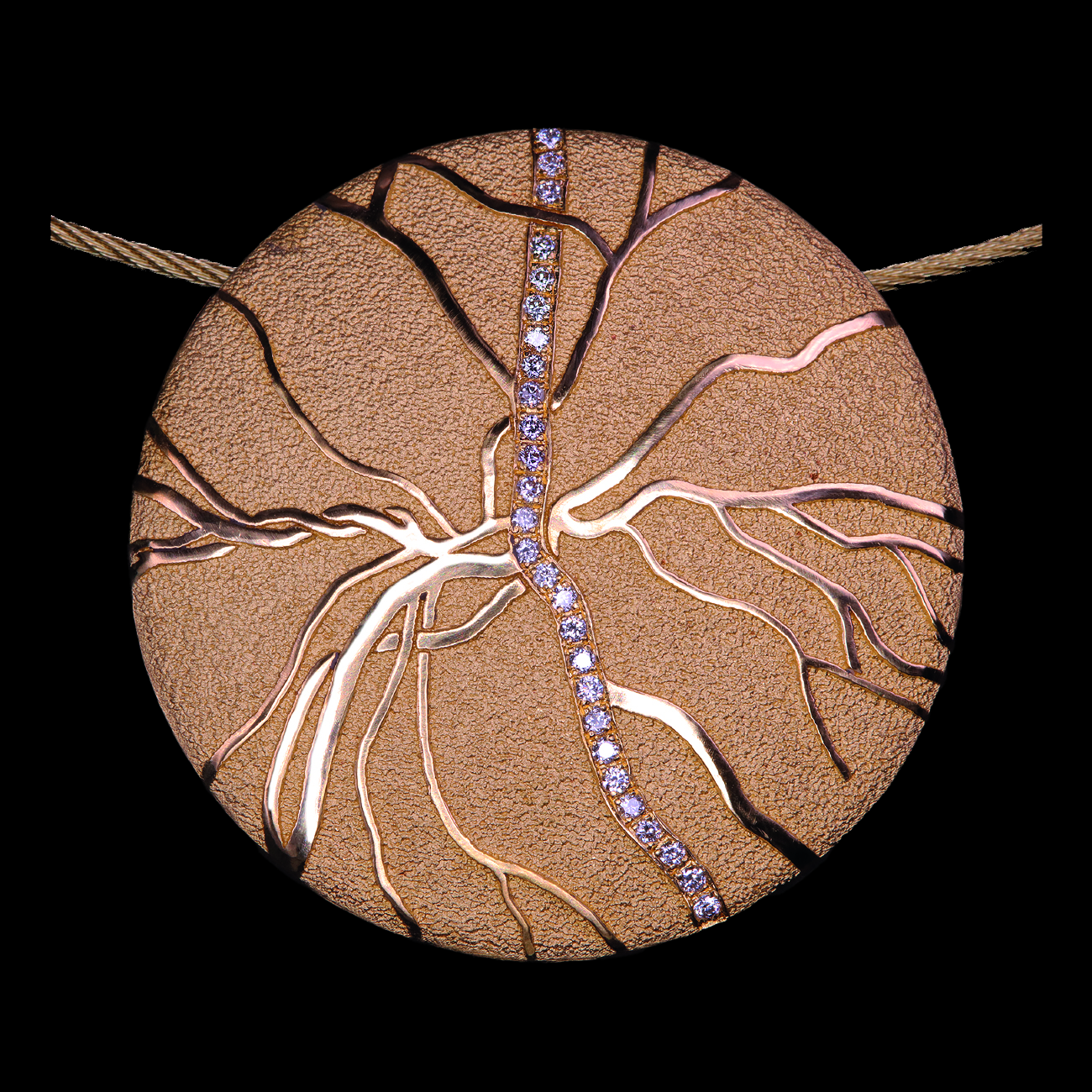
What does something stand for? Personal symbolism additionally answers: Whom does it stand for? A heart gives love a form. A RetinaSignature shows to whom that love belongs. More about RetinaSignatures →
A heart can make love visible. A RetinaSignature can show which person or which bond makes that love unique.
Discuss personal jewelry →
Discuss personal jewelry →Related RETINA® Pages

Related Symbols


Frequently Asked Questions About the Heart Symbol Meaning
What does the heart mean as a symbol?
The heart stands above all for love, closeness, connection, compassion and memory. In jewelry it is often worn to make a relationship, a person or a feeling visible.
Where does the heart symbol come from?
The exact origin of today's heart shape is not clear. Historically, the heart is linked to ancient ideas of soul, character and vitality, and later to medieval depictions of love.
Why does the heart stand for love?
Because the heart was long understood culturally as the center of feeling, courage and inner life. In the Middle Ages this meaning became strongly linked to romantic devotion.
What does a heart mean in jewelry?
Heart jewelry makes love, gratitude, family closeness or memory wearable. It becomes especially precious when it is connected to a personal story.
Is heart jewelry timeless?
Yes. The heart outlasts fashions because its meaning remains immediately understandable. The design is decisive: the more personal and understated it is, the less arbitrary the motif appears.
What does a heart mean in wedding rings?
In wedding rings, a heart can express love, fidelity and the decision for one another. It is especially beautiful as a hidden detail, a fine engraving or a personal addition to the ring's actual form.
What is more personal than a heart symbol?
A heart stands for a universal idea. A RetinaSignature tells of a person, a bond or a shared story and is therefore unrepeatable.
Which symbols go well with the heart?
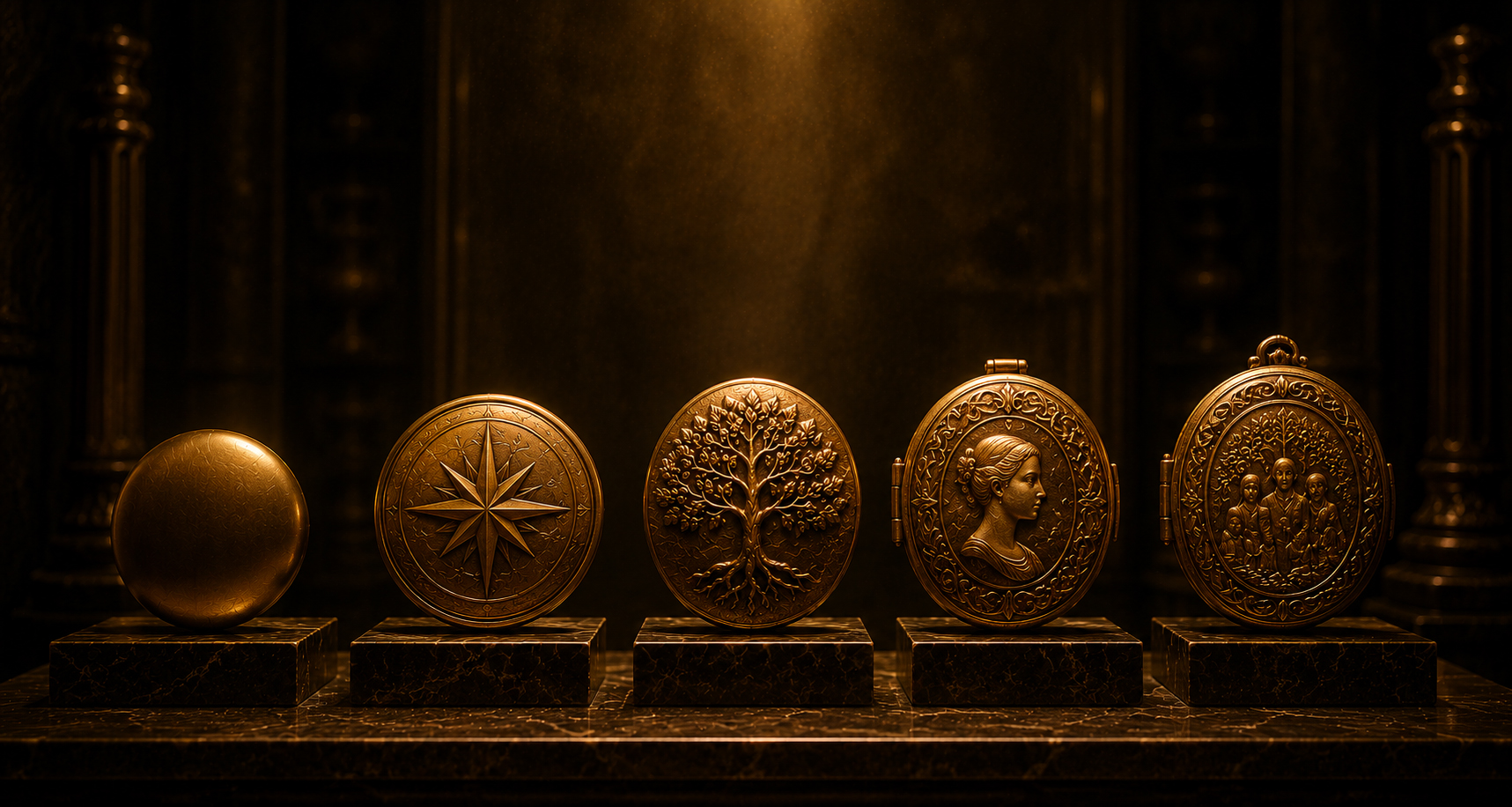
The rose, infinity, the love knot, the ring, the dove, sun and moon, and the Tree of Life go well with the heart. They extend its meaning with beauty, eternity, fidelity, growth or remembrance.
Is the heart symbol suitable for memorial jewelry?
Yes. The heart can symbolize a person, a relationship or a moment in life that keeps a lasting place. For memorial jewelry it should be designed with restraint and dignity.
Can a heart symbol look modern?
Yes. A heart looks modern above all when it is used in a reduced, subtle way or as a hidden detail.
Sources and Further Reading
Show sources on the history of the symbol
1) On the development of the modern heart shape: Heart symbol, Wikipedia
2) On the possible silphium theory and ancient Libyan coinage: Koerper & Kolls: The Silphium Motif Adorning Ancient Libyan Coinage
3) On the medieval manuscript Roman de la poire: Bibliothèque nationale de France, Gallica
4) On the history of jewelry and symbolic meaning: Victoria and Albert Museum: A History of Jewellery
5) On memorial jewelry and lockets: British Museum: Mourning locket
6) On the courtly love culture of the Renaissance: The Metropolitan Museum of Art: Courtship and Betrothal in the Italian Renaissance


Jewelry That Makes Meaning Visible
A symbol can open a story. A RetinaSignature makes it personal. Discover jewelry that gives identity, memory and connection an unmistakable form.
Get in touch →