
Ouroboros – Meaning, History and Symbolism
End and beginning are often
the same place.
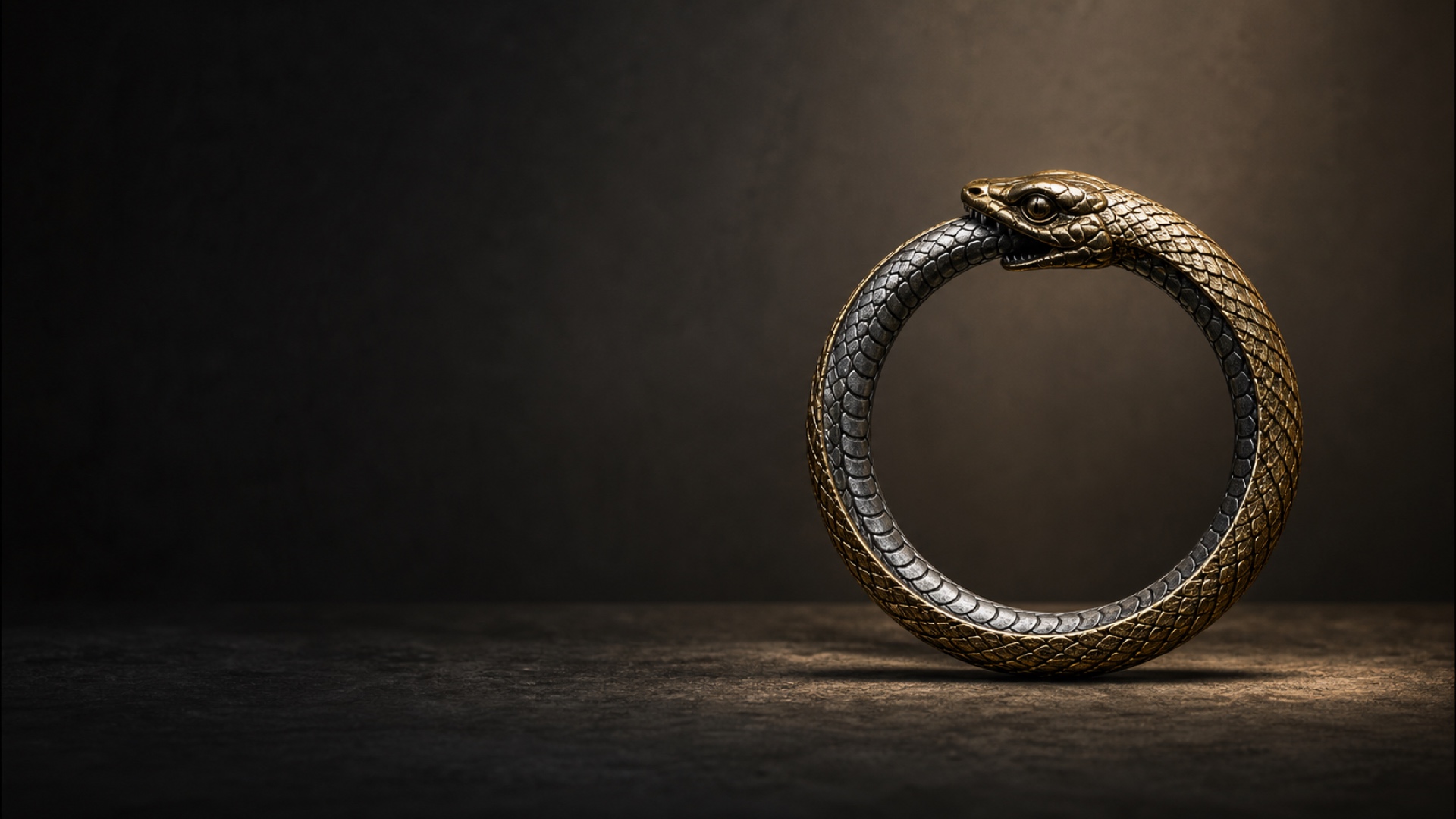
The ouroboros shows a snake biting its own tail, forming a closed circle. Hardly any other symbol captures the idea of the eternal cycle so clearly in a single image.
Discover personal symbolism →Origin
The ouroboros is one of humanity's oldest symbols. The Greek word means “tail-devourer” – and that is exactly what the image shows: a snake holding its own tail in its mouth.
The earliest known depictions come from ancient Egypt. From the simple form arises a profound thought: everything is a cycle – becoming and passing away flow into one another.
Use in Jewelry
In jewelry, the ouroboros usually appears as a ring – the closed form seems made for it. A band that encloses itself becomes a sign of eternity and connection.
It is worn as an emblem of a cycle that does not end – often by people who have gone through an important change or are consciously beginning a new chapter.
Symbolic Meaning of the Ouroboros
The ouroboros unites opposites in a single form: beginning and end, becoming and passing away, destruction and renewal. It stands for eternity, for the cycle of life – and for the wholeness that arises when the circle closes.
Sometimes an end is only a beginning we do not yet recognize.
Eternity
A circle without beginning and without end.
Cycle
Becoming and passing away flow into one another.
Shedding the old skin in order to keep growing.
What ends brings forth something new at the same time.
An image of the entire cosmos in a single form.
The whole that encloses and carries itself.
Transformation
The snake transforms itself without ever ending.
The Human Longing Behind the Symbol – Ouroboros
Much of life we think of in straight lines: beginning and end, gain and loss, before and after.
Yet we often experience that endings are not final – that a farewell becomes a beginning, that something new arises from a loss.
The ouroboros holds this thought in a single form. What looks like an end is, at the very same place, already a beginning.
It reminds us that life moves in cycles – and that nothing is truly lost, but transforms.
Perhaps this is precisely the consolation of the ouroboros: that the circle closes and never ceases.
The History of the Ouroboros as a Symbol
The ouroboros reappears across millennia and cultures – from Egypt through antiquity and alchemy to modern psychology.1
Ancient Egypt
The earliest known depiction comes from ancient Egypt.
Read more
The ouroboros appears as early as the 14th–13th century BC in Egyptian funerary texts, among them in the tomb of Tutankhamun, where it represents the cyclical renewal of time and the protection of the cosmic order.1
From there, the image reached the Greek world, where it received the name still in use today.
Early on, it stood for the unity of beginning and end.
Antiquity & Gnosis
In antiquity, the ouroboros became a sign of all-oneness.
Read more
Greek and Gnostic thinkers interpreted the ouroboros as an image of all-oneness – handed down in the formula “Hen to Pan”, the One that is the All.1
It embodied the idea that everything emerges from a single, self-sustaining whole.
Thus it became an emblem of cosmic unity.
Alchemy
In alchemy, the ouroboros was a central symbol.
Read more
The alchemists saw in the ouroboros the eternal cycle of dissolution and re-formation – the fundamental idea of their work.1
It stood for the unity of matter and spirit and for the constant transformation of substances.
As a closed circle, it was the image of the completed work.
Modern Times
Today the ouroboros stands for cycle, eternity and wholeness.
Read more
Depth psychology interpreted the ouroboros as the image of an original whole from which consciousness develops.
In jewelry and design, it remains a powerful sign of eternity and of cycles that come full circle.2
Its message is timeless: end and beginning are one.
The Ouroboros in Jewelry
As a ring, the ouroboros is in its most natural form – a closed circle that encloses itself. As a pendant or bangle, too, it keeps its power.
Ouroboros Pendant
The closed circle, worn close to the heart.
Ouroboros Ring
The purest form: a band that encloses itself.
Ouroboros Bangle
The eternal cycle, worn on the wrist.
From Symbol to Signature
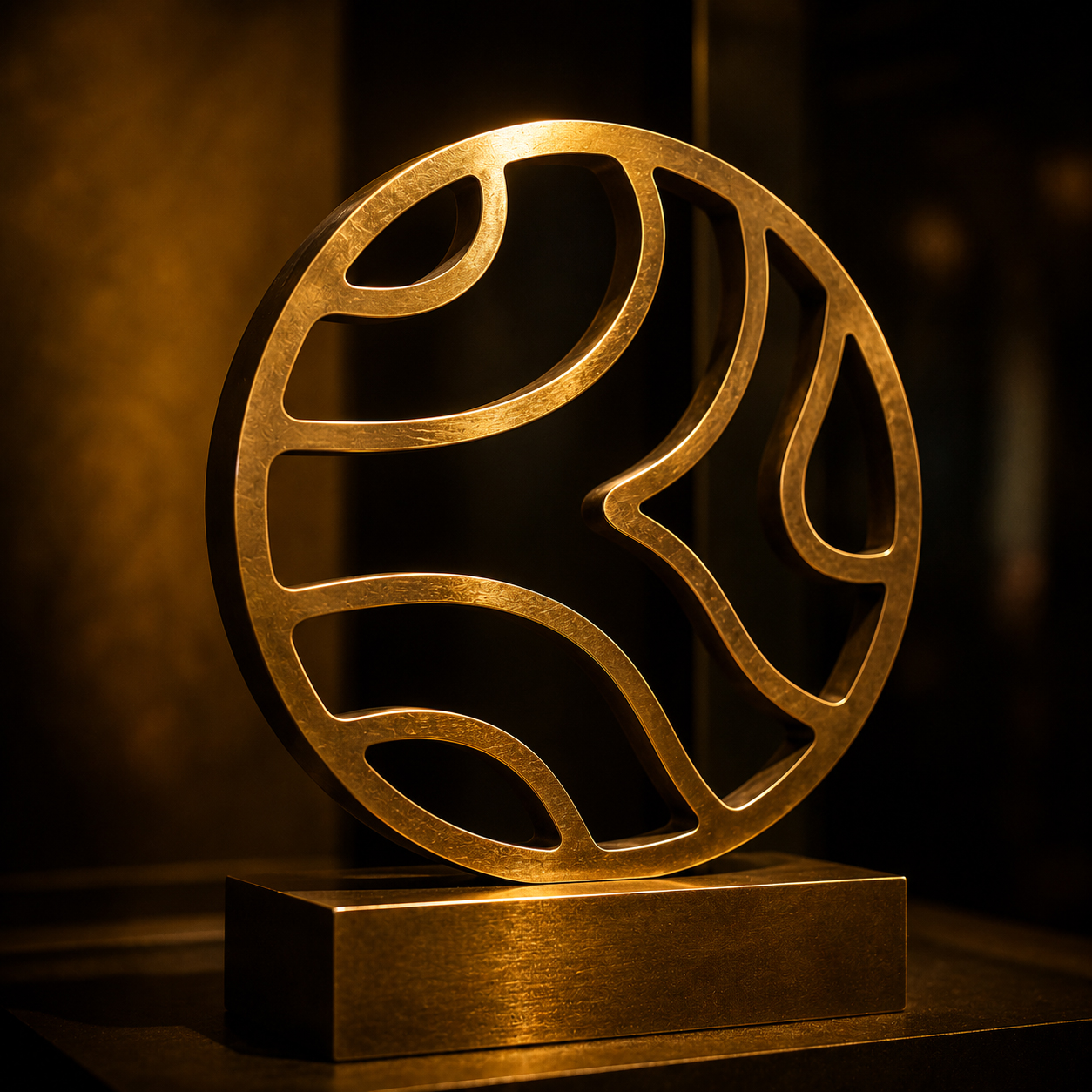
The ouroboros is a universal sign. RETINA® goes further: rather than making a familiar symbol more personal, your own retina itself becomes an unmistakable signature.
The RETINA® Perspective
The ouroboros answers one of the greatest questions: what remains when everything passes? It can embody eternity, cycle and wholeness. Yet it does not say whose cycle, whose path is meant.
This is exactly where personal symbolism begins. The ouroboros gives eternity a form. A RetinaSignature connects this form with one specific person. Thus a familiar sign becomes a piece of jewelry that exists only once.
From the Ouroboros to the RetinaSignature
An ouroboros can make the eternal cycle visible. A RetinaSignature can show which person stands within this circle.
Discuss personal jewelry →Related RETINA® Pages


Related Symbols


Frequently Asked Questions About the Ouroboros Symbol Meaning
What does the ouroboros mean?
The ouroboros – the snake biting its own tail – stands for eternity, the eternal cycle of becoming and passing away, renewal and wholeness.
Where does the ouroboros symbol come from?
The earliest known depiction comes from ancient Egypt, among other places from the tomb of Tutankhamun. The name is Greek and means “tail-devourer”.
What does the ouroboros mean in jewelry?
Most often it stands for eternity and a cycle that does not end. As a ring, it is in its most natural form – a closed circle.
What is the difference between the ouroboros and the infinity symbol?
Both stand for the endless. The infinity symbol is an abstract figure eight on its side; the ouroboros is a pictorial snake and additionally emphasizes renewal and transformation.
Is the ouroboros a positive symbol?
Yes, predominantly. It stands for eternity, wholeness and renewal – for the idea that every end is also a new beginning.
What did the ouroboros mean in alchemy?
In alchemy, it stood for the eternal cycle of dissolution and re-formation and for the unity of matter and spirit.
What does “Hen to Pan” mean?
The Greek formula means “the One is the All”. It appears in ancient depictions of the ouroboros and describes the idea of all-oneness.
Is the ouroboros a religious symbol?
It has religious and philosophical roots, but today it is mostly understood as a universal sign of cycle, change and eternity – independent of any faith.
Does the ouroboros suit memorial jewelry?
Yes. As a sign of a cycle that does not end, it suits the idea of connection across time.
What does an ouroboros ring mean?
An ouroboros ring doubles the symbolism: the closed snake and the ring form both stand for a circle without end – often as a sign of lasting connection.
Which material suits ouroboros jewelry?
Gold and platinum render the curved, closed form precisely and lastingly. A finely textured surface can suggest the scales.
Is the ouroboros more feminine or masculine?
Neither. The ouroboros is an open symbol and appears delicate or bold depending on the design. Proportion and execution are what matter.
Does the ouroboros mean the same as a tattoo and in jewelry?
The core meanings are similar, but jewelry involves no permanent commitment and can be passed on – as the heirloom of a story.
Which symbols go well with the ouroboros?
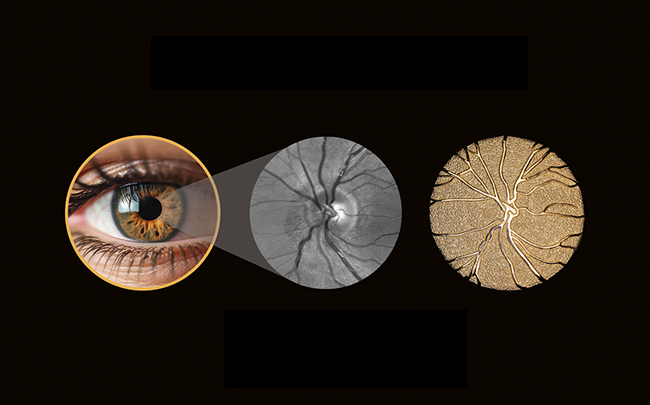
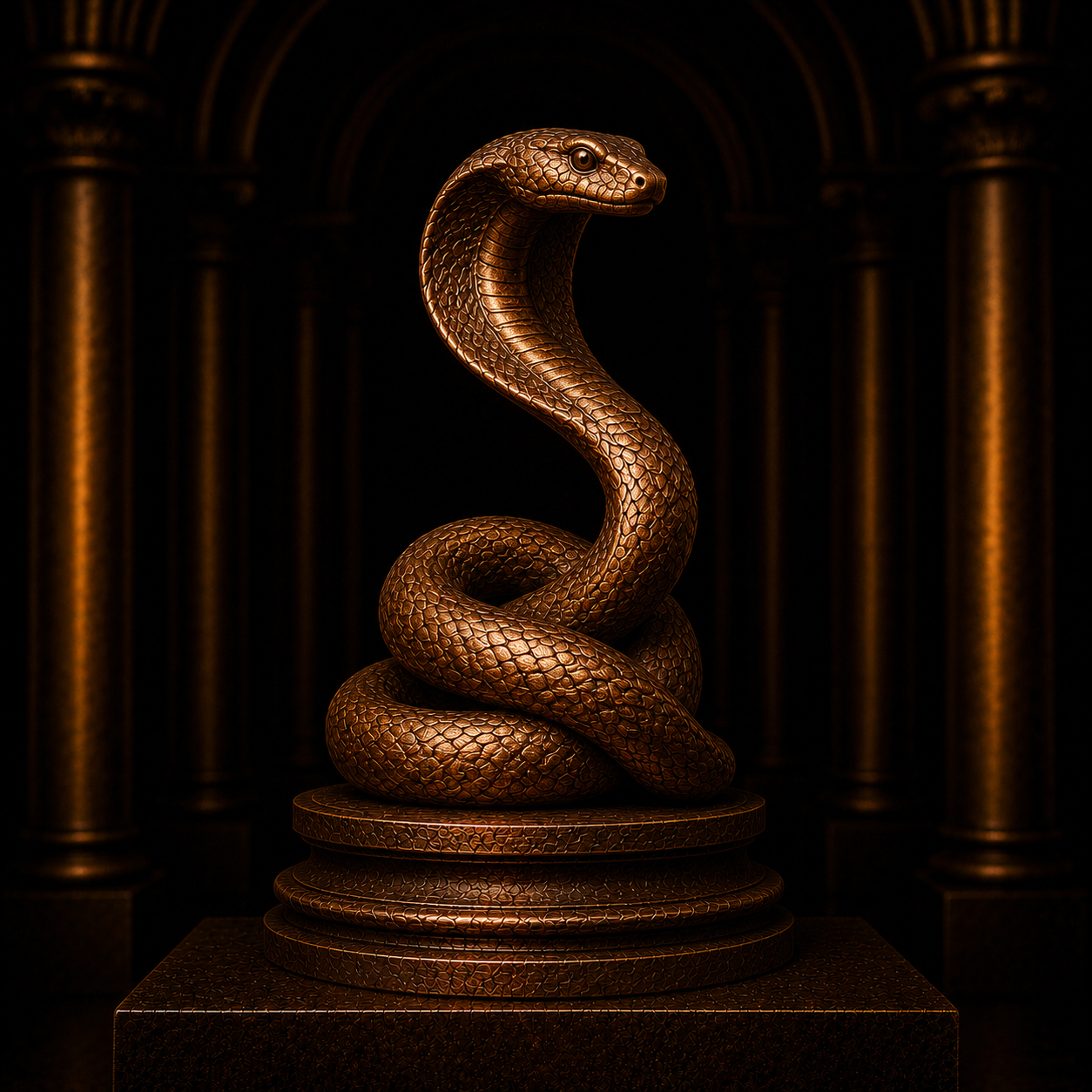
Snake, infinity, spiral and circle extend the ouroboros with transformation, endlessness, growth and wholeness.
What is more personal than an ouroboros?
The ouroboros stands for a general idea. A RetinaSignature additionally points to one specific person and can therefore exist only once.
Sources and Further Reading
Show sources on the history of the symbol
1) On the origin and interpretation of the ouroboros: Encyclopaedia Britannica: Ouroboros
2) On the history of jewelry and symbolic motifs: Victoria and Albert Museum: A History of Jewellery


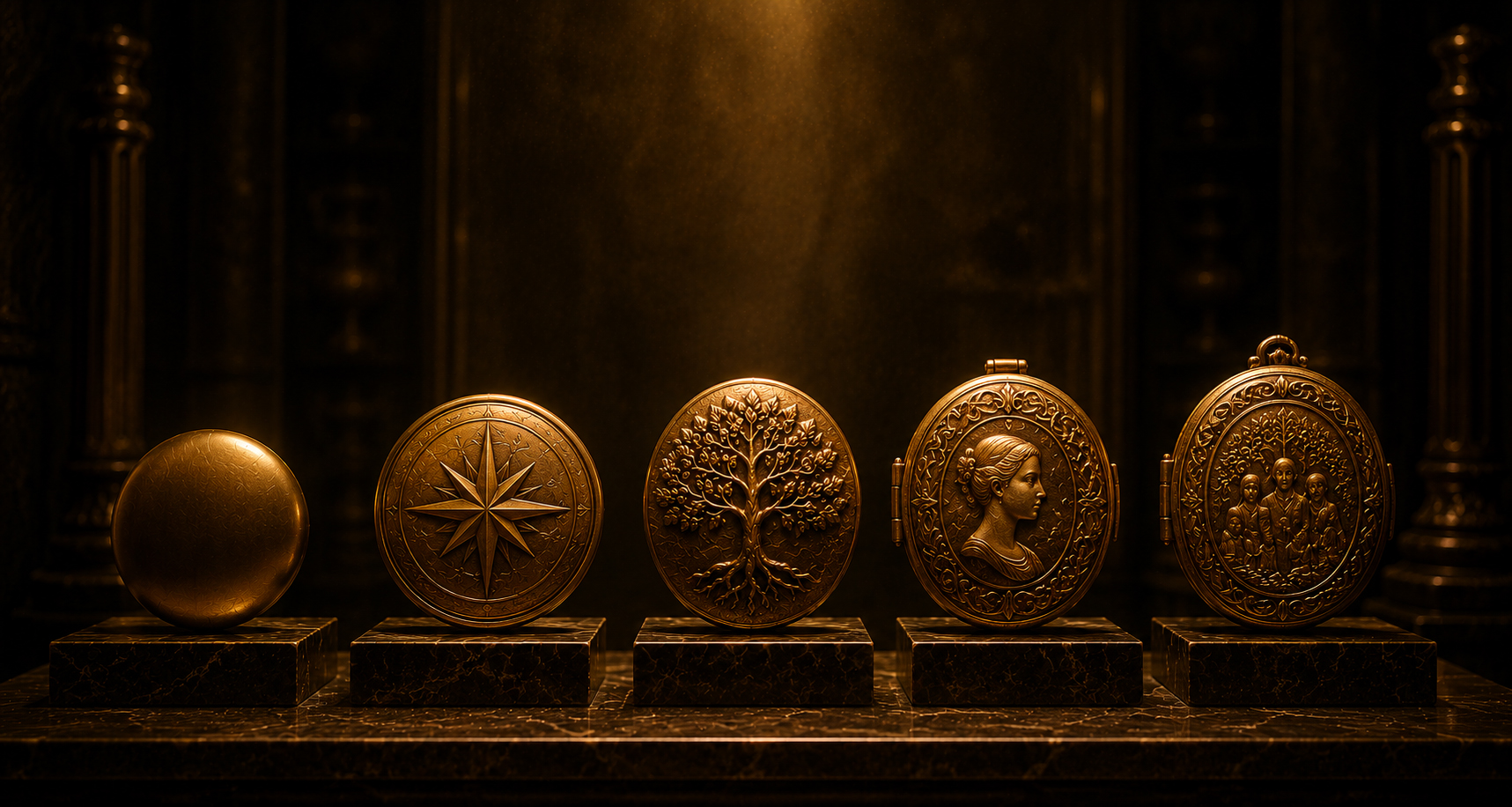
Jewelry That Makes Meaning Visible
A symbol can open a story. A RetinaSignature makes it personal. Discover jewelry that gives identity, memory and connection an unmistakable form.
Get in touch →