

Feather – Meaning, History and Symbolism
Some roots give stability.
Some wings give freedom.
The feather is one of humanity's oldest symbols. It unites lightness with meaning: the image of a life that is free to move without losing itself.
Discover personal symbolism →Origin
The symbolism of the feather grew out of observing birds. Whoever flies sees the world from above, crosses boundaries and reaches places that remain out of reach on foot. The feather thus became a tangible part of this ability: a piece of sky that can be held in the hand.
As early as ancient Egypt, the feather was more than the adornment of birds. As the sign of the goddess Maat, it stood for truth, order and a life in balance. Other cultures associated it with dignity, merit or the connection between earth and sky.
Use in Jewelry
In jewelry, the feather appears as a pendant, a fine engraving, ear jewelry or a sculptural detail on rings and bracelets. Its natural lines, the quill and the delicate barbs, translate especially beautifully into gold: organic, flowing and alive.
The feather looks refined when it is not folkloristically overloaded but reduced in design. A single, precisely crafted feather carries more meaning than a decorative arrangement. It remains light, even in precious metal.
Symbolic Meaning of the Feather
The feather is not a loud symbol. It does not stand for power or possession but for an attitude: the willingness to move, to welcome the new and to shape one's own life.
Depending on the story, it can mean freedom, lightness, self-determination, inspiration, change or hope. Its power lies in telling development not as a rupture but as a natural movement.
Freedom
The wish to make one's own decisions and shape one's own life.
Lightness
The trust that not everything meaningful has to be heavy.
Self-Determination
Choosing your own path, even when others expect a different one.
Change
The experience that growth sometimes means leaving the familiar behind.
Inspiration
The feather as a writing tool: thoughts, words and a handwriting of one's own.
The Human Longing Behind the Symbol – Feather
People seek belonging, stability and orientation. But they also want to be free: free to make decisions, to take new paths and to keep growing.
Perhaps this is exactly what explains the feather's special power. It reminds us that development often means leaving the familiar behind. New experiences rarely arise where everything stays the same.
For some people, the feather stands for a new beginning. Others associate it with creativity, with a challenge overcome or with the resolve not to let the expectations of others define them.
The feather does not describe a particular place. It describes the need for freedom.
This is precisely why this symbol often meets people in phases of life in which change, self-discovery or personal growth play a special role. In jewelry, the feather then becomes a quiet companion of this movement: light enough not to weigh anything down, and meaningful enough to serve as a reminder.
The History of the Feather as a Symbol
Feathers played a significant role in numerous cultures and eras. Their symbolism developed from observing birds and from the human desire to make qualities such as freedom, perspective and mobility visible. What is striking is how differently they were interpreted: from truth in ancient Egypt to earned dignity to the quill as a sign of thought.1
Ancient Egypt
The feather of Maat stood for truth, justice and a life in balance.
Read more
In ancient Egypt, the ostrich feather was the sign of the goddess Maat, who embodied truth, order and justice. According to Egyptian belief, the heart of the deceased was weighed against this feather in the judgment of the dead: only a heart that was no heavier than the feather bore witness to an honest life.
Maat was depicted as a woman with a single feather on her head, and amulets bearing her image were worn as pendants, some artfully made of gold foil and attached to fine gold chains.1 The god Thoth, responsible for writing and wisdom, was also closely associated with the feather of Maat.2
What is remarkable is the reversal that takes place here: the lightest of all objects becomes the measure for the weight of an entire life. The feather thus stands not for arbitrariness but for a truth that embellishes nothing.
Indigenous Traditions
In many Indigenous cultures of North America, feathers were signs of dignity, courage and responsibility.
Read more
In various Indigenous cultures of North America, feathers held a special, often ceremonial meaning. They could make courage, responsibility, dignity or personal achievements visible. In many traditions, a feather was not simply worn but earned.
The exact meaning, however, differed considerably from culture to culture. There is no single Indigenous feather symbolism, but a multitude of independent traditions with their own rules, rituals and meanings.
Today it is important to view these traditions respectfully and with historical accuracy, and not to oversimplify them. For the symbolic history of the feather, a common thread nevertheless remains visible: the feather honors something a person has achieved or lived through. It is a distinction, not decoration.
The Quill
For centuries, the feather was the tool of writing and became a sign of mind and expression.
Read more
From the Middle Ages to the 19th century, the quill was Europe's most important writing instrument. Contracts, letters, poems and scholarly works were created with the quill pen. Thus the feather became a symbol of language, thought and intellectual creation.
During this time, its symbolism shifted: the feather no longer stood only for flight but for expression. Whoever wrote left a trace, a handwriting of their own, a signature that belonged to one person alone.
This layer of meaning makes the feather especially interesting for personal jewelry. It unites freedom with expression: not only following your own path, but also telling it in a language that is unmistakably your own.
Modern Times
Today the feather stands for freedom, self-determination and consciously chosen paths in life.
Read more
In today's symbolism, the feather often stands for freedom, self-determination and personal growth. It is frequently chosen to make a period of change or a conscious new beginning visible: after a farewell, a decision or a time overcome.
In fashion, tattoos, art and jewelry, the feather is everywhere. Therein lies its challenge: without personal context, it can become mere decoration.
It regains its depth when it is tied to a concrete story. As a reminder of a courageous decision, as a sign for a person who made light what was heavy, or as a quiet promise to oneself, the feather becomes unmistakable again.
The Feather in Jewelry
As a pendant, a fine engraving, ear jewelry or a sculptural detail, the feather remains timeless in jewelry when its natural lines are preserved. It is most powerful when reduced, precisely crafted and connected to a personal dimension.
Feather Pendant
Worn close to the body, the feather becomes a quiet sign of freedom and one's own path.
Feather Bracelet
Lightness, close to every gesture of daily life.
Feather in a Ring
A finely worked feather line can wind organically around a ring, light and yet present.
From Symbol to Signature
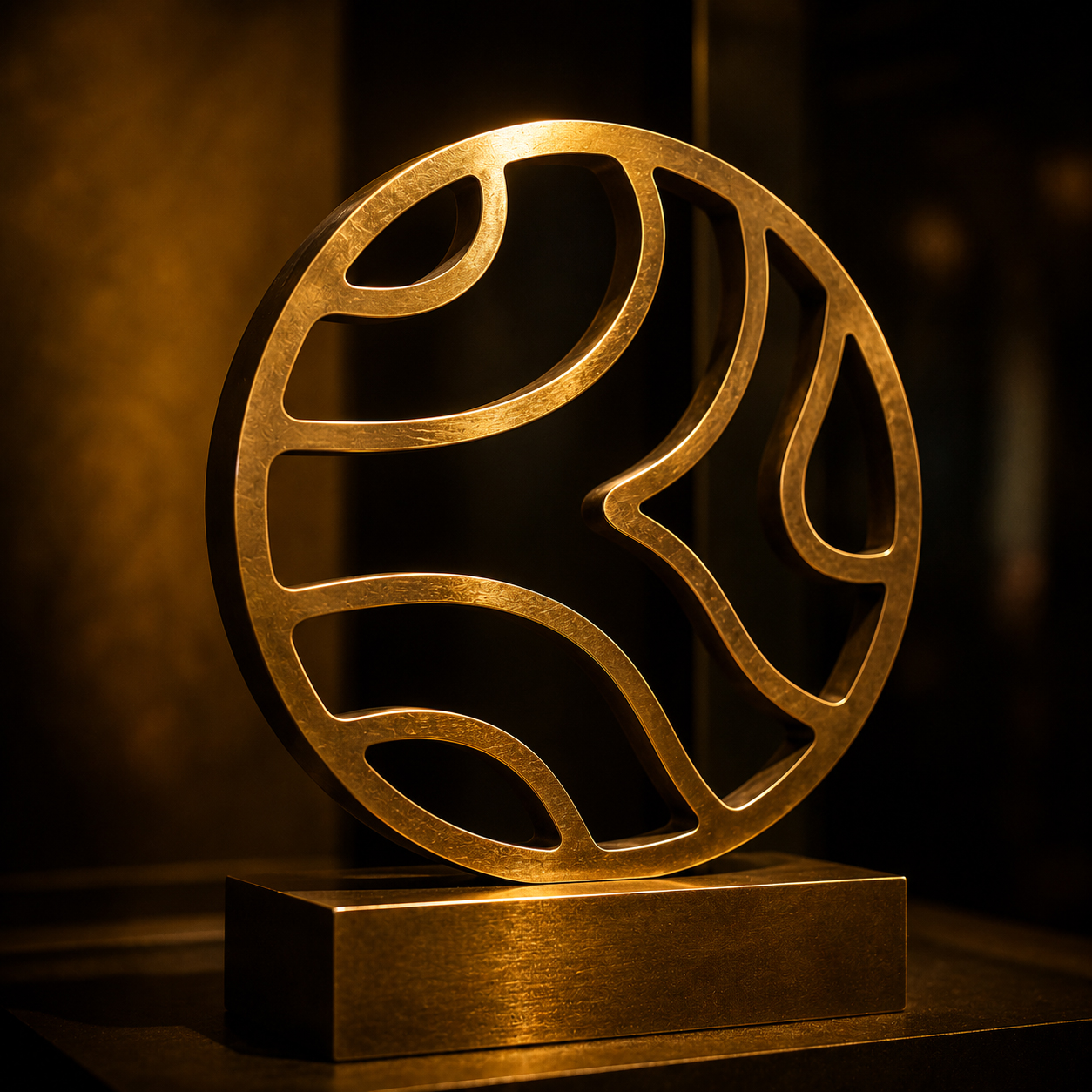
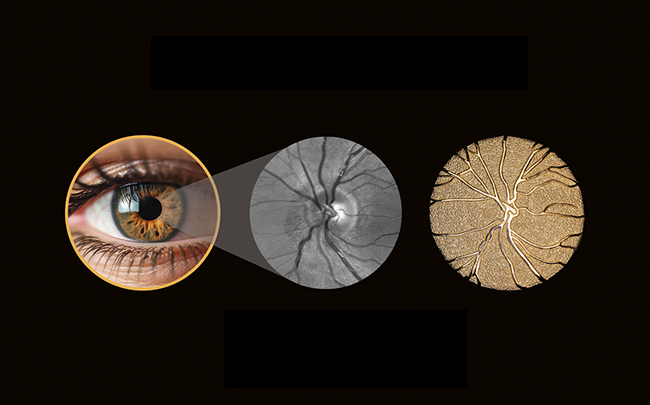
The feather is a universal sign. RETINA® goes further: instead of making a familiar symbol more personal, your own retina becomes an unmistakable signature.
The RETINA® Perspective
The feather answers a universal question: What do I strive for? It makes freedom visible. But it does not tell which decisions a person has made and which experiences have shaped them.
This is exactly where personal symbolism begins. The feather gives a longing a form. A RetinaSignature connects this form with a concrete person. There is an intriguing quiet kinship here: the delicate branching lines of a retina pattern recall the structure of a feather. Thus a universal sign becomes a piece of jewelry that is not interchangeable.
From the Feather to the RetinaSignature
A feather can make freedom and lightness visible. A RetinaSignature can show which person, which path or which decision stands behind it.
Discuss personal jewelry →Related RETINA® Pages


Related Symbols


Frequently Asked Questions About the Feather Symbol Meaning
What does the feather mean as a symbol?
The feather often stands for freedom, lightness, self-determination and personal growth. Depending on culture and story, it can also mean truth, dignity, inspiration or hope.
What does the feather stand for in ancient Egypt?
In ancient Egypt, the ostrich feather was the sign of the goddess Maat and stood for truth, order and justice. In the judgment of the dead, a person's heart was weighed against this feather.
What does a feather mean in jewelry?
Feather jewelry can express freedom, a new beginning, creativity or a consciously chosen path of one's own. Its effect grows stronger when it is tied to a concrete personal story.
Is the feather a spiritual symbol?
It can be read spiritually, for example as a connection between earth and sky or as a sign of protection and messages. It can just as well stand, in an entirely worldly sense, for freedom and lightness.
What does it mean to keep a found feather?
Many people interpret a found feather as a good sign, a greeting or a reminder of someone. This interpretation is personal and not culturally fixed.
What does the feather mean in Indigenous cultures?
In many Indigenous cultures of North America, the feather was a sign of dignity, courage and merit that was bestowed, not simply worn. The meanings differ considerably from culture to culture and deserve respectful treatment.
What does the quill stand for?
The quill stands for language, thought and intellectual creation. As the writing tool of past centuries, it became a symbol of expression and one's own unmistakable handwriting.
Does a feather suit a new beginning?
Yes. The feather is among the symbols most often chosen for new beginnings: after a decision, a farewell or a phase of life overcome.
Is feather jewelry more feminine or masculine?
Neither. The feather is an open symbol and appears delicate or striking depending on the design. What matters is proportion, material and surface, not gender.
Which material suits feather jewelry?
Gold and platinum are especially suitable because they render the feather's delicate barbs precisely and permanently. Warm gold tones emphasize the motif's organic, lively character.
Can a feather be mourning jewelry?
Yes. Many people associate the feather with someone who has passed away, as a sign of lightness, closeness and the idea that someone continues to accompany them.
Which symbols go well with the feather?
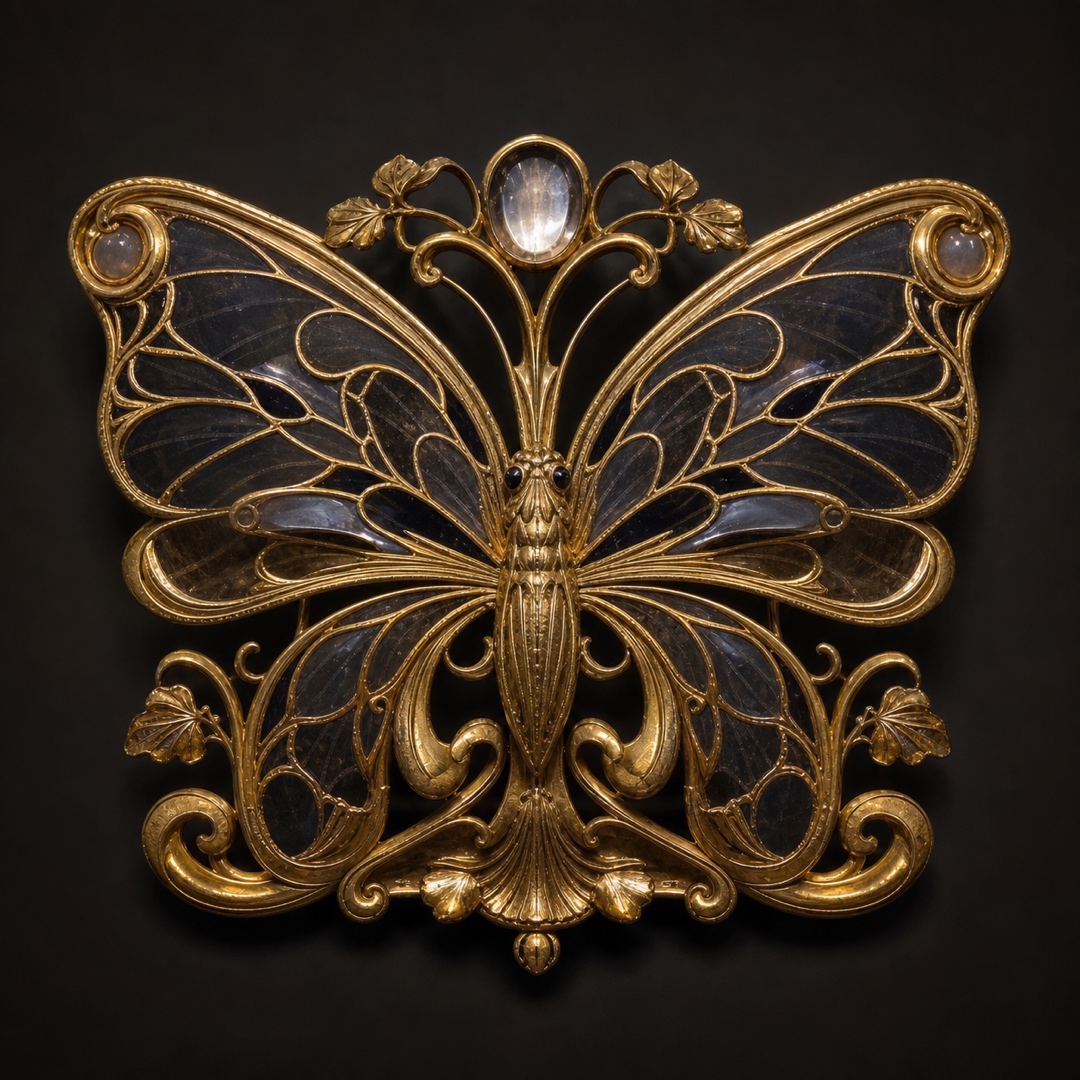
The eagle, butterfly, dove, star and compass expand the feather's meaning with vision, change, peace, orientation or setting out.
How does the feather look modern rather than folkloristic?
It looks modern as a reduced, precise line or as a fine relief rather than a decorative arrangement. Less motif and more craftsmanship make the feather appear timeless.
Does the feather mean the same as a tattoo and in jewelry?
The basic meanings are similar, but jewelry needs no final commitment and can be passed on. A piece of jewelry can thus become the heirloom of a story.
What is more personal than a feather?
The feather stands for a universally understood idea. A RetinaSignature additionally points to a concrete person and can therefore exist only once.
Sources and Further Reading
Show sources on the history of the symbol
1) Gold Maat amulet with ostrich feather, worn as a pendant: British Museum: Gold foil pendant amulet of Maat
2) On the connection between Thoth and the feather of Maat: The Met: Inlay depicting Thoth as the ibis with a Maat feather
3) Maat amulet with feather hieroglyph: Museum of Fine Arts Boston: Amulet of Maat
4) On the history of jewelry and symbolic motifs: Victoria and Albert Museum: A History of Jewellery


Jewelry That Makes Meaning Visible
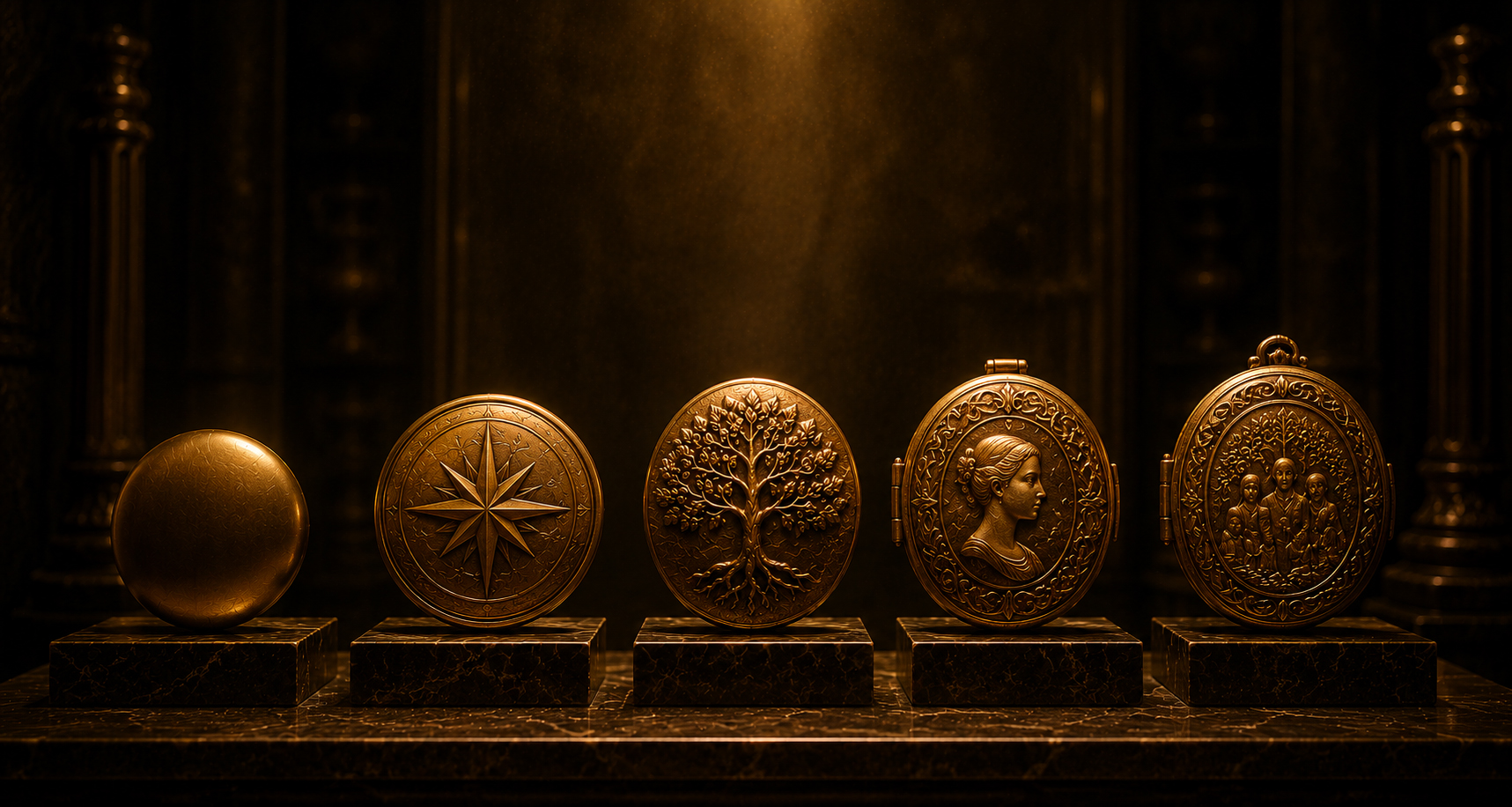
A symbol can open a story. A RetinaSignature makes it personal. Discover jewelry that gives identity, memory and connection an unmistakable form.
Get in touch →