
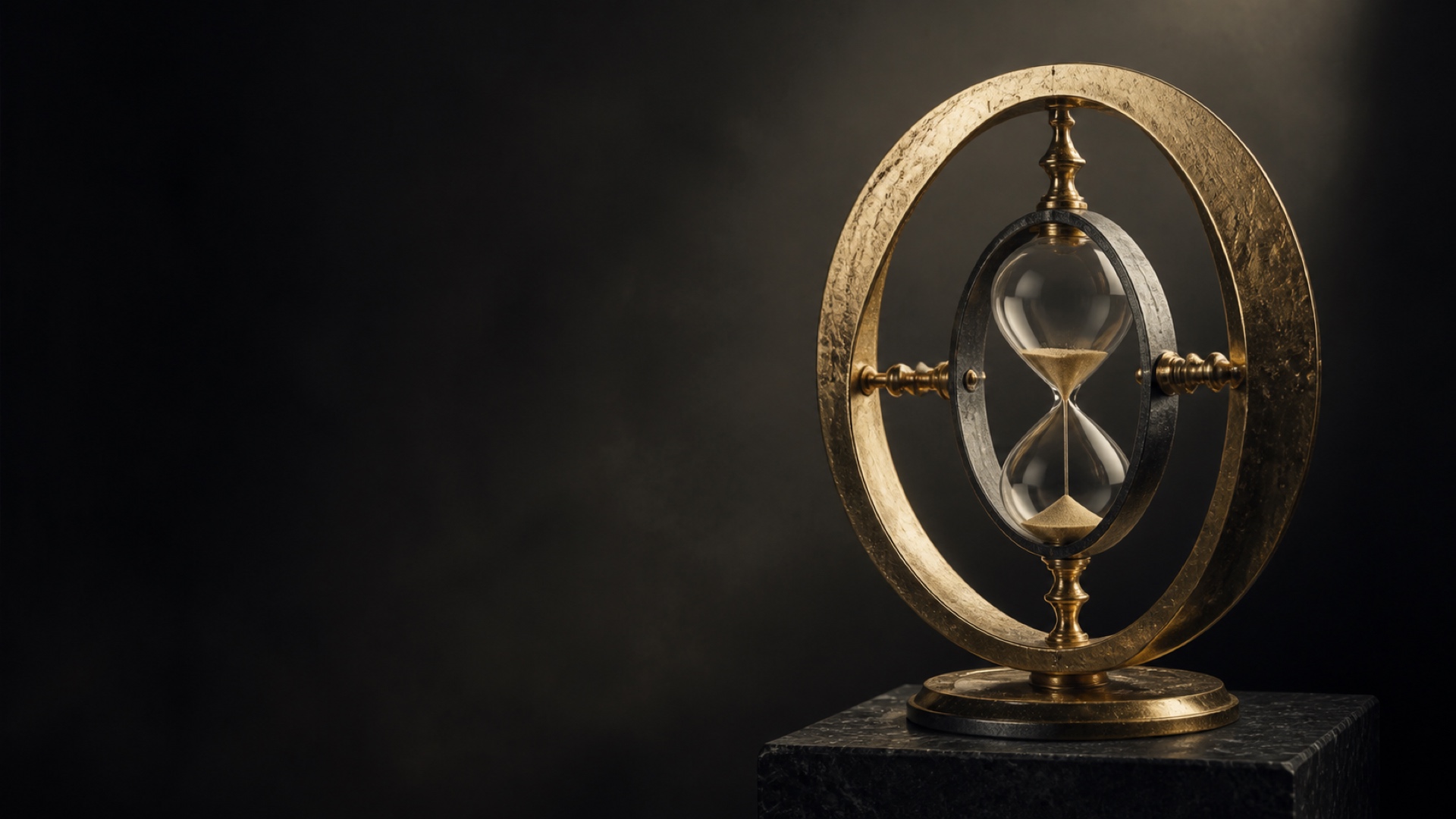
Clock – Meaning, History and Symbolism
Time passes.
Meaning remains.
A clock tells the time. Yet its deeper meaning rarely lies in hours and minutes: for centuries it has united precision, craftsmanship and personal significance.
Discover personal symbolism →Origin
Prehistoric monuments like Stonehenge already show that people observed the course of the sun and the turning points of the year. The monument is aligned with the solstices and links the ordering of time with ritual, observation of the sky and remembrance.3
Ancient cultures later developed sundials and water clocks to make the passage of time visible – the earliest known sundials were created more than 5,000 years ago in Egypt.1
With mechanical movements came a new union of technology, craftsmanship and precision: hundreds of small components work together to fulfill a single task.
Use as a Symbol
Only a few personal objects accompany people across generations – a watch is one of them. Passed from father to son, from mother to daughter, it carries memories and stories within it.
That is why fine watches today stand less for timekeeping than for permanence, memory and legacy.
Symbolic Meaning of the Clock
The clock does not describe what time it is. It describes why time is precious. Depending on the story, it stands for a lifetime, memory, precision, continuity or legacy.
Time is the material a life is made of.
Time
The only thing everyone shares and no one can multiply.
Remembrance
Moments that remain when the hour has long passed.
Continuity
The movement keeps running – across generations.
Precision
Order amid motion, part by part.
Legacy
Some things outlast the people who wore them.
The Human Longing Behind the Symbol – Clock
Hardly anything occupies people as much as time. We wish for more of it, wonder where it has gone – and often recognize its value only in hindsight.
A clock reminds us that time is limited. Yet it is precisely this limit that gives so many things their meaning: a childhood, a friendship, a shared life.
Herein lies a human tension: we want to hold on to moments – and must accept that they pass.
Perhaps that is why the clock touches us so deeply. It does not merely show the time. It reminds us that time is the material a life is made of.
The clock does not describe what time it is. It describes why time is precious.
The History of the Clock as a Symbol
From Stonehenge and the sundial to the mechanical movement and the inherited wristwatch: the history of the clock is the history of how humans relate to time.1,3
Early Timekeeping
Observation of the sky, sundials and water clocks made time visible.
Read more
Even before clocks in the narrower sense existed, monuments like Stonehenge marked the turning points of the year: at the summer solstice, the sun rises behind the Heel Stone and its first rays reach the interior of the monument; at the winter solstice, it sets in the southwest of the stone circle.3
The oldest known sundials were created around 3500 BC in Egypt – a simple shadow staff was enough to structure the course of the day.1
Water clocks made time measurable even at night and accompanied court speeches, prayers and night watches.
These early instruments already show: people wanted not only to experience time, but to understand it.
Mechanical Movements
Gears and springs became emblems of engineering artistry.
Read more
With the mechanical movements of the Middle Ages and the modern era came a new union of technology and craftsmanship – tower clocks gave whole cities their rhythm.
Hundreds of small components mesh together and create something greater than the sum of its parts.
Perhaps people recognize in this something of their own lives: order amid motion.
The Wristwatch
From instrument to personal companion.
Read more
In the 20th century, the wristwatch evolved from a practical instrument into a personal companion and an expression of individual values.
It is worn on the body every day, outlasts fashions – and is passed on like hardly any other object.
This changes its meaning: it no longer merely shows time, it carries stories.
Modern Times
Today, the clock stands for permanence and legacy.
Read more
A smartphone measures time more accurately – and yet mechanical watches fascinate more than ever. It is not about precision, but about meaning.
Fine watches stand for craftsmanship, memory and the bond between generations.2
Their message remains: some things can outlast people.
The Clock in Jewelry
As a motif, the clock recalls the preciousness of time; as an object, it is jewelry and legacy in one – precisely crafted, worn daily, passed on.
Clock Pendant
Precious time, worn close to the heart.
Clock Motif in a Ring
Time and circle – two symbols in one form.
Watch on the Wrist
The most personal place for a daily companion.
From Symbol to Signature
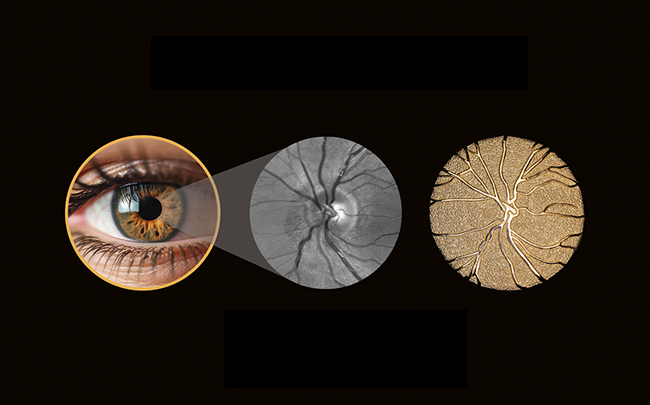
The clock is a universal sign. RETINA® goes further: instead of making a familiar symbol more personal, your own retina itself becomes an unmistakable signature.
The RETINA® Perspective
A watch answers an important question: what do I use my time for? But it does not tell who shared that time, which people shaped a life and which memories should be preserved.
This is exactly where personal symbolism begins. A watch shows the time. A Retina watch can show why that time was precious – with the signature of a person in the dial. The hands keep moving; the people who give a lifetime its meaning remain part of the story.
From the Clock to the RetinaSignature
A watch can make time visible. A RetinaSignature can show to whom that time is dedicated.
Discuss personal jewelry →Related RETINA® Pages


Related Symbols


Frequently Asked Questions About the Clock Symbol Meaning
What does the clock mean as a symbol?
The clock stands for time, transience, memory and legacy – and for the conscious decision to give attention to what matters most.
Where did the first clocks come from?
The oldest known sundials were created around 3500 BC in Egypt. Water clocks later made time measurable even at night.
Why are mechanical watches so fascinating?
Not because of precision – a smartphone measures more accurately. It is the interplay of hundreds of parts: order amid motion, permanence amid change.
What does an inherited watch mean?
An inherited watch no longer merely shows time: it carries memories, stories and the traces of a life lived – and connects generations.
What does the clock mean in jewelry?
As a motif, it recalls the preciousness of time; as an object, it is jewelry and legacy in one – precisely crafted and passed on.
Why are watches given on special occasions?
Because they symbolize time: given for a graduation, a retirement or a birth, a watch honors the time that has passed and accompanies the time to come.
Is the clock a vanitas symbol?
In art history, yes: clocks were reminders of transience. Today the positive reading prevails – time as a precious good that creates meaning.
What distinguishes clock and time as symbols?
Time is the experience, the clock its visible sign: it makes the intangible measurable – and precisely thereby conscious.
Does the clock suit memorial jewelry?
Yes, like hardly any other object: it accompanies you daily, outlasts generations and can carry a person's story onward.
Which material suits a meaningful watch?
Gold and platinum stand for permanence and value – materials made, like the movement itself, for generations.
Is the clock more feminine or masculine?
Neither. The watch is the most universal personal companion and appears delicate or bold depending on the design.
What is a Retina watch?
A watch that carries a person's RetinaSignature in its dial: it shows not only hours and minutes, but to whom that time is dedicated.
Does the clock mean the same as a tattoo and in jewelry?
The core meanings are similar, but a real watch is alive: it runs, accompanies and can be passed on – as the heirloom of a story.
Which symbols go well with the clock?
Infinity, heart, tree of life and circle extend the clock with permanence, love, generations and the cycle of life.
What is more personal than a watch?
A watch with a RetinaSignature: it unites the universal measure of time with the unique pattern of a specific person.
Sources and Further Reading
Show sources on the history of the symbol
1) On the history of the sundial and early timekeeping: Encyclopaedia Britannica: Sundial
2) On the history of jewelry and precious objects: Victoria and Albert Museum: A History of Jewellery
3) On the solstice alignment of Stonehenge: English Heritage: Solstice at Stonehenge


Jewelry That Makes Meaning Visible
A symbol can open a story. A RetinaSignature makes it personal. Discover jewelry that gives identity, memory and connection an unmistakable form.
Get in touch →