
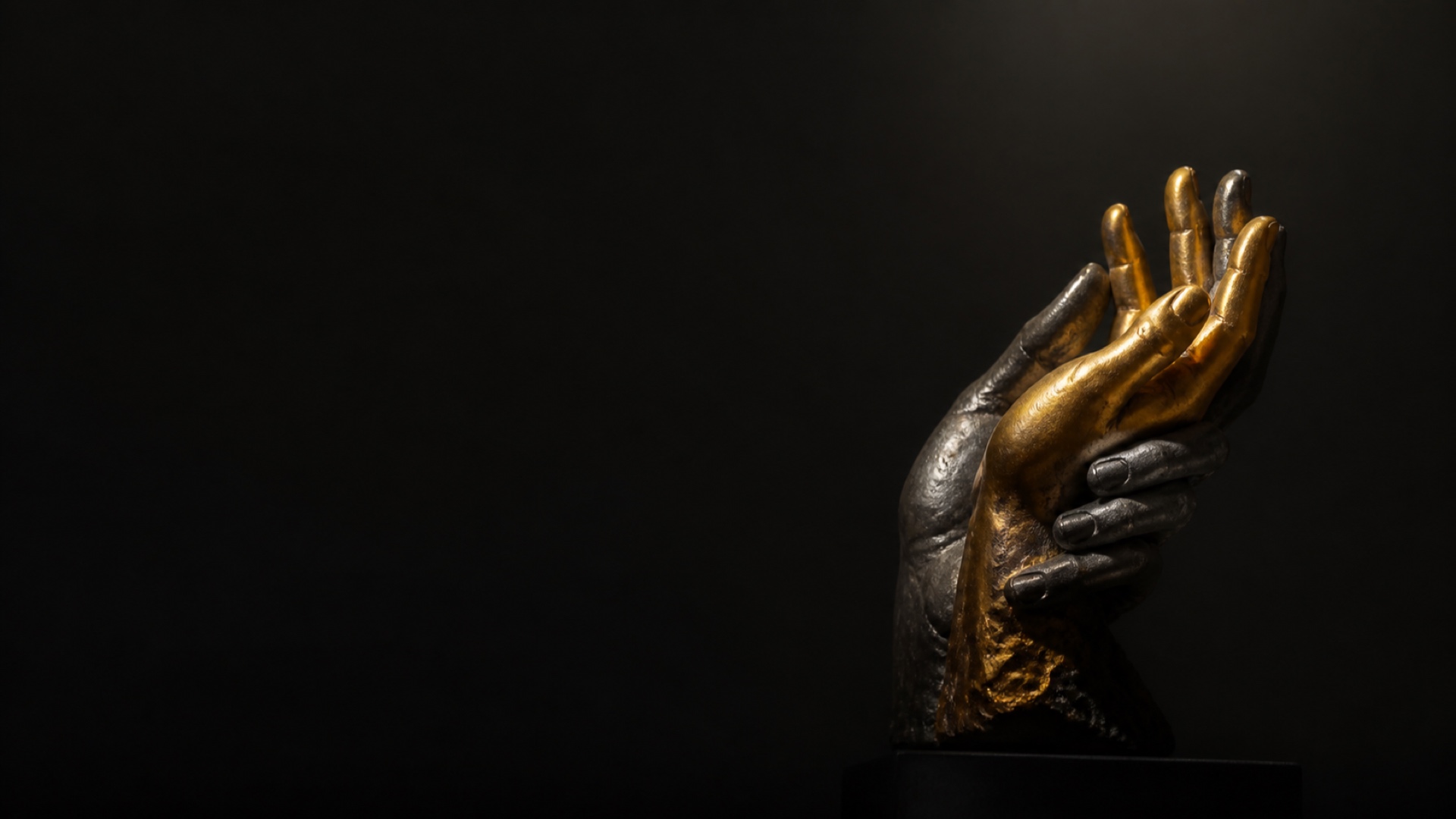
Hand – Meaning, History and Symbolism
What we touch
changes us.
The hand is one of humanity's oldest symbols. In the earliest cave paintings, people left handprints as a sign of their presence – ever since, the hand has stood for touch, agency and connection.
Discover personal symbolism →Origin
Among the oldest known symbols of humanity are handprints in cave paintings. They appear on several continents and reach back tens of thousands of years – history's earliest "I was here."
Ever since, the hand has stood for far more than a part of the body: for protection and blessing, for trust and closeness – and for the human ability to act upon the world.
Use in Jewelry
In jewelry, hand motifs are associated with protection, care and connection – from the hamsa to the Victorian hand motif that signified friendship and loyalty.
The hand is worn as a sign of trust, human closeness and the responsibility to actively shape one's own life.
Symbolic Meaning of the Hand
The hand connects inner and outer worlds: through it, what we feel becomes action. Depending on the story, it stands for touch, care, protection, creation or passing on.
Its greatest meaning often lies not in what it grasps – but in what it passes on.
Touch
Closeness that needs no words.
Care
Holding, carrying, accompanying – being there for one another.
Protection
The open hand as the oldest sign of warding and blessing.
Creation
Through our hands, what was only an idea comes into being.
Passing On
What we create reaches further than we do.
The Human Longing Behind the Symbol – Hand
People want to leave traces – not only in a material sense, but also in the lives of others. We want to make a difference, to pass something on, to create something.
At the same time, we know that we cannot hold on to everything. Children grow up. People change. Chapters of life come to an end.
Perhaps this is exactly what explains the hand's special meaning. It makes visible a tension that accompanies many people throughout their lives: we want to hold on – and must learn to pass on.
With our hands we create things. Yet their greatest meaning often lies not in what they grasp.
The hand does not only describe what we hold on to. It describes what we pass on.
The History of the Hand as a Symbol
From the handprints of the Stone Age to the protective hand and the lines of the palm: the hand has accompanied humanity's history of symbols from the very beginning.1
Early Handprints
Handprints are among the oldest signs of humanity.
Read more
In the Cueva de las Manos in Patagonia, people left hundreds of hand outlines on the rock walls up to 13,000 years ago – the "Cave of the Hands" is a World Heritage Site today.1
Similar hand images are found on several continents, some far older still.
They are regarded as history's earliest personal signs: a human being saying – I was here.
Protection & Blessing
The open hand became a sign of protection and blessing.
Read more
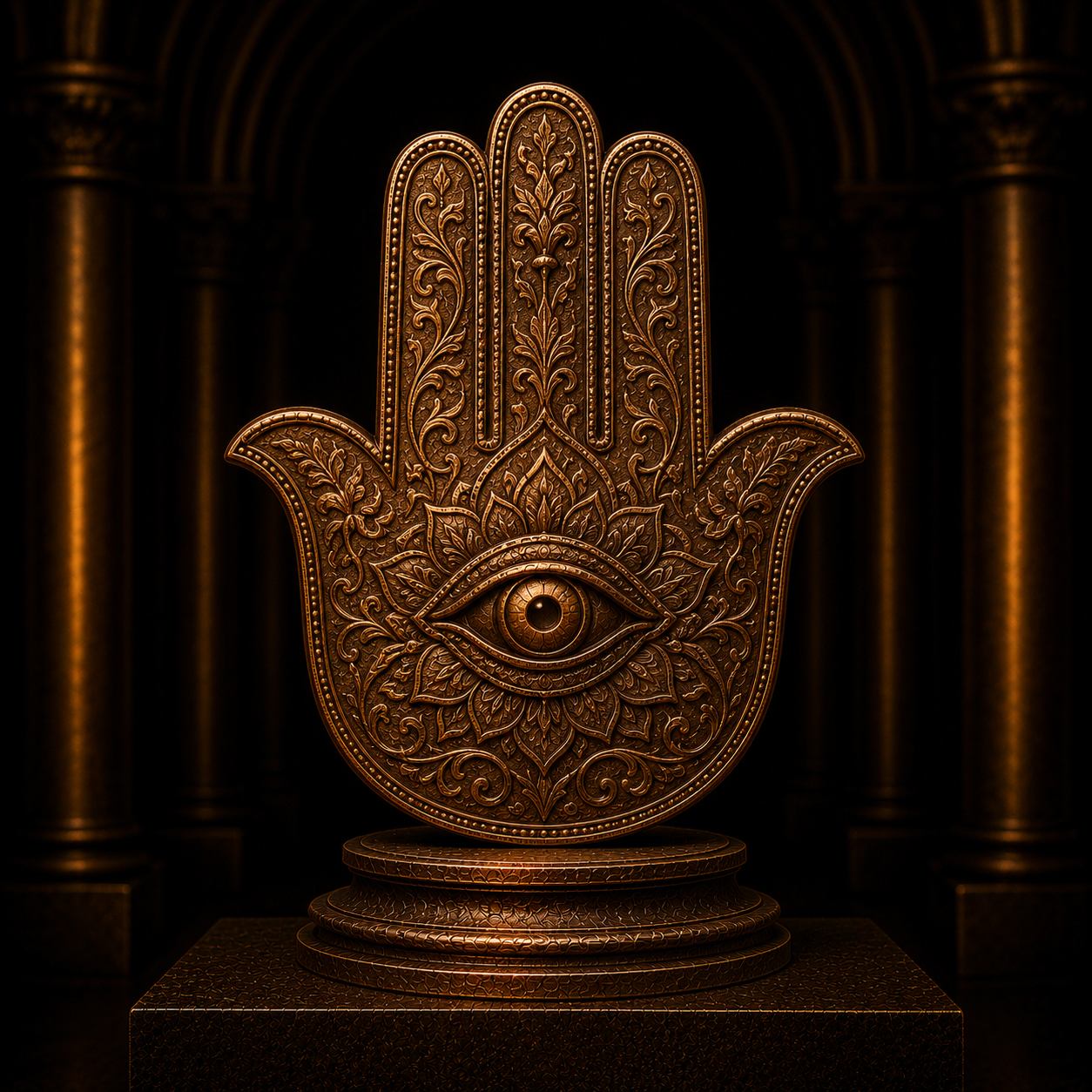
Hand symbols such as the hamsa were worn in the cultures of the Mediterranean and the Near East as signs of protection, blessing and security.2
In religious imagery, too, the hand appears again and again – as a blessing, protecting or holding gesture.
The open hand thus became a universal image of benevolence.
Palm Lines & Life's Path
The lines of the hand have fascinated people for centuries.
Read more
The so-called life line in particular was read for centuries as a mirror of a person's path through life.
Whether or not one believes such readings, their enduring popularity reveals a timeless longing – the wish to understand where one's own life is heading.
What is remarkable is the thought that the answer might quite literally lie in one's own hands.
Modern Times
Today, the hand stands for humanity and connection.
Read more
In the present day, the hand stands above all for humanity, responsibility and the ability to act upon the world – from the handshake to the helping hand.
In jewelry, the motif is worn as a sign of trust, closeness and care.3
Its message remains: what we feel becomes action through the hand.
The Hand in Jewelry
As a delicate motif on a pendant, ring or bracelet, the hand tells of closeness and responsibility. It is most powerful when reduced and precisely crafted – as a gesture, not a likeness.
Hand Pendant
The protective gesture, worn close to the heart.
Hand Ring
A delicate motif on the very hand it speaks of.
Hand Bracelet
Care and trust, close to every gesture of daily life.
From Symbol to Signature
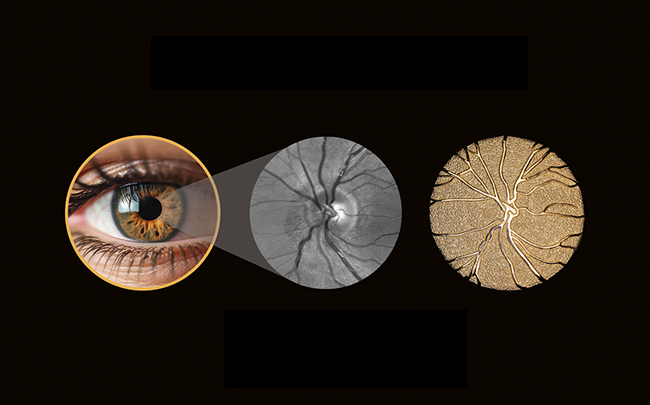
The hand is a universal sign. RETINA® goes further: instead of making a familiar symbol more personal, your own retina itself becomes an unmistakable signature.
The RETINA® Perspective
The hand answers an important question: what lies in my hands? But it does not tell which experiences have shaped a person, which people have formed them and which traces they wish to leave behind.
This is exactly where personal symbolism begins. The hand gives connection a form. A RetinaSignature connects this form with a specific person. Like the handprint in the cave, the retina is a sign that belongs to one single person.
From the Hand to the RetinaSignature
A hand can make connection visible. A RetinaSignature can show which person leaves this trace.
Discuss personal jewelry →Related RETINA® Pages


Related Symbols

Frequently Asked Questions About the Hand Symbol Meaning
What does the hand mean as a symbol?
The hand stands for touch, agency, responsibility, care and the ability to create something or pass it on.
Where does the hand symbol come from?
Handprints in cave paintings are among the oldest signs of humanity – most famously in the Cueva de las Manos in Patagonia, today a UNESCO World Heritage Site.
What does a hand mean in jewelry?
Hand jewelry usually stands for protection, care, trust and human closeness – or for the responsibility to actively shape one's own life.
What is the difference between the hand and the hamsa?
The hamsa is a special, stylized form of the hand with a fixed protective meaning. The general hand symbol is more open and also embraces touch, creation and passing on.
What does the life line in the hand mean?
The life line was read for centuries as a mirror of a person's path through life. Its popularity reveals a timeless longing: the wish to understand where one's own life is heading.
What do folded or blessing hands mean?
Folded hands stand for prayer and contemplation, the raised hand for blessing and protection. The gesture determines the meaning of the symbol.
Is the hand a religious symbol?
It appears in many religions as a blessing or protecting gesture, but is not bound to any of them – its core meanings of touch and care are universally human.
What does a handprint mean as a keepsake?
Handprints and fingerprints of children or loved ones are among the most personal tokens of remembrance – a tangible "I was here."
Is the hand suited to memorial jewelry?
Yes. As a sign of care and passing on, it is especially suited to family, parenthood and the memory of people close to us.
Which material suits hand jewelry?
Gold and platinum render the delicate gesture with precision. Reduced, clear forms appear more refined than detailed depictions.
Is the hand more feminine or masculine?
Neither. The hand is an open, universal symbol and appears delicate or powerful depending on the design. Proportion and execution are what matter.
How does the hand look modern rather than esoteric?
It looks modern as a reduced, precise silhouette or fine engraving – as a gesture rather than a naturalistic likeness.
Does the hand mean the same as a tattoo and in jewelry?
The core meanings are similar, but jewelry involves no permanent commitment and can be passed on – as the heirloom of a story.
Which symbols go well with the hand?
The hamsa, the heart, the Tree of Life and the ring extend the hand with protection, love, rootedness and connection.
What is more personal than a hand?
The hand stands for a universal idea of closeness and impact. A RetinaSignature additionally refers to a specific person – as unique as a handprint.
Sources and Further Reading
Show sources on the history of the symbol
1) On the Cueva de las Manos (Cave of the Hands): UNESCO World Heritage Centre: Cueva de las Manos
2) On the hamsa as a protective hand: The British Museum: Khamsa pendant amulet
3) On the history of jewelry and symbolic motifs: Victoria and Albert Museum: A History of Jewellery


Jewelry That Makes Meaning Visible
A symbol can open a story. A RetinaSignature makes it personal. Discover jewelry that gives identity, memory and connection an unmistakable form.
Get in touch →