
Why Memories Need Objects
Anchors of meaning.
We do not remember with the mind alone. We remember through things: an old photograph, a letter, a ring that instantly brings a story back to life.
Objects do not store memories. But they give us access to them: they become anchors of meaning. That is why certain things remain with us for a lifetime – not because of what they are made of, but because of the people they recall.

Memories are invisible
Memories are among the most precious things we possess – and at the same time among the most fragile. We cannot touch them, hold on to them or place them in a display case. They exist within us. Perhaps that is why objects linked to a memory have an irreplaceable, emotional value for so many of us.
Why an object suddenly becomes meaningful
At first, a ring or pendant is simply a piece of jewellery. Meaning arises only through the story connected with it: a person, an encounter, a promise.
The object does not change outwardly, yet it acquires an inner, emotional value – often only for the one person who knows or has lived the story behind it.

Why we wear memories
People do not keep memories only at home. They wear them: as a ring, a pendant or a locket.
Perhaps because certain memories are meant to accompany us – not in a drawer, but in everyday life. Close to the body, close to life.
Over time, some memories become part of our identity: they no longer speak only of the past, but of who we have become.
The meaning of shared memories
This thought becomes even more powerful between two people: many relationships are formed through shared experiences – journeys, challenges, years. These memories belong to a bond.
Perhaps this explains why wedding rings have played such a special role for centuries: they recall not merely the wedding day, but the entire story lived together since then. They symbolise the bond shared by two people, whose experiences accumulate and deepen day by day. Like a vault that is continually filled – and becomes ever more valuable with time.
Why memories need an anchor
We want to preserve memories. Yet memories change; with time they become less distinct. Objects help us find them again. Not because they store the memory, but because they give us access to it. They become anchors of meaning.
This becomes especially clear when looking through old photo albums or sorting through possessions after the death of someone we love: a single object is often enough to bring back an entire story. Sometimes a scent, a sound or the sight of a particular detail is all it takes to make a memory vivid again.
Objects are like keys that open doors to our memories, allowing us to travel into the past without physically moving. They are the bridge between what was and what we are today.
How such pieces become heirlooms is explored in the essay Why Pieces of Jewellery Become Heirlooms.
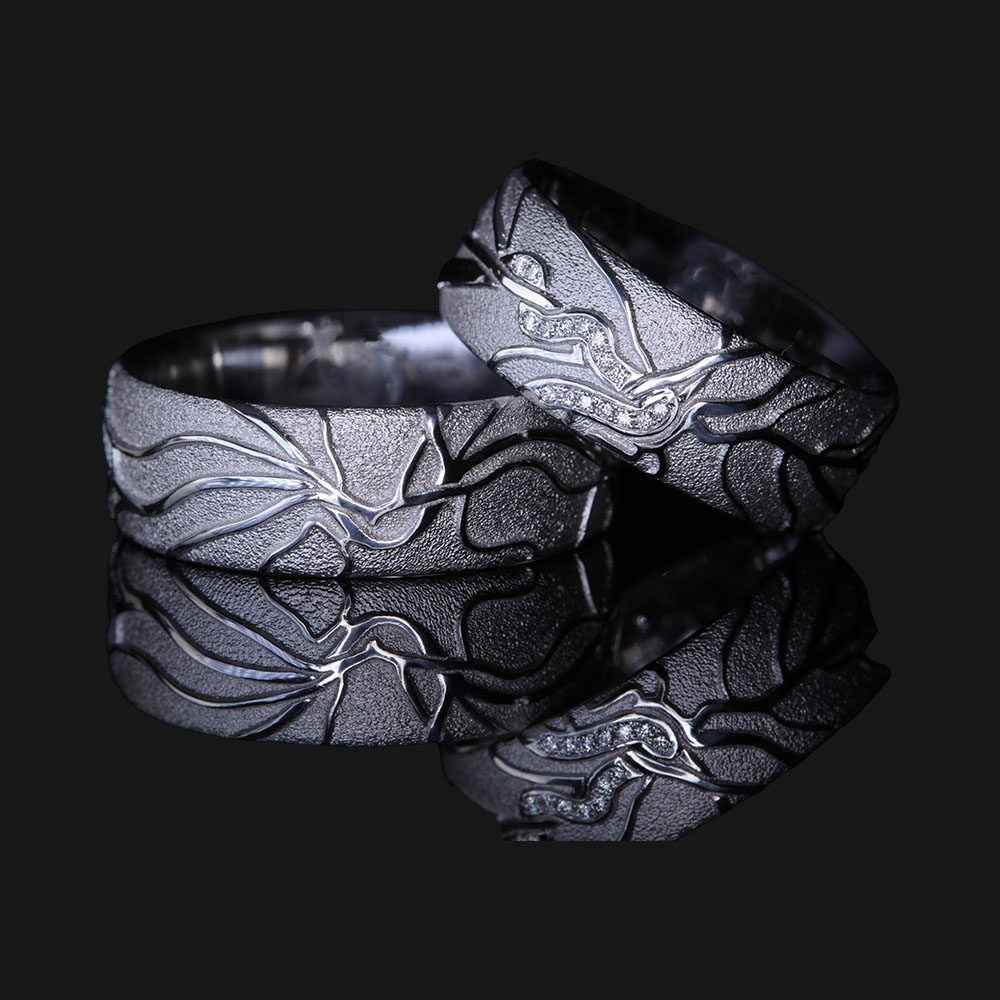
A memory of a bond, worn close
Wedding rings show how memory can be worn: they accompany a shared story through everyday life, across years and decades.
With a RetinaSignatur, this wearable memory becomes even more personal: unique wedding rings, bearing not a symbol for everyone, but the signature of one particular person.
Objects as companions to memory
This is especially evident in relationships: many of our most precious keepsakes recall not events, but people – a parent, a partner or a child.
The object associated with a memory may be as ordinary as a dummy or a lock of hair. Or it may be a grandmother’s ring, worn and cherished throughout her life. The object then comes to represent a relationship and becomes an anchor of meaning that keeps the memory alive and present in everyday life. It preserves something that would otherwise remain invisible.
When memory becomes identity Over time, something remarkable happens: certain memories become part of our identity. They no longer tell only of the past – they tell of who we have become. Such objects are especially precious because they reflect our personal story and development. They are quiet companions that remind us who we are and where we come from.
A person’s story is made of memories. Some objects help keep that story visible and allow it to be told again and again. What is fascinating is that they contain, as it were, a hidden code that can be deciphered only by someone who knows the story. A ring, a pendant, a locket: they are not merely pieces of jewellery, but carriers of identity, memories and relationships – invisible to outsiders, and all the more precious to us.
Memory becomes wearable when it finds a form – and it endures when that form carries meaning.



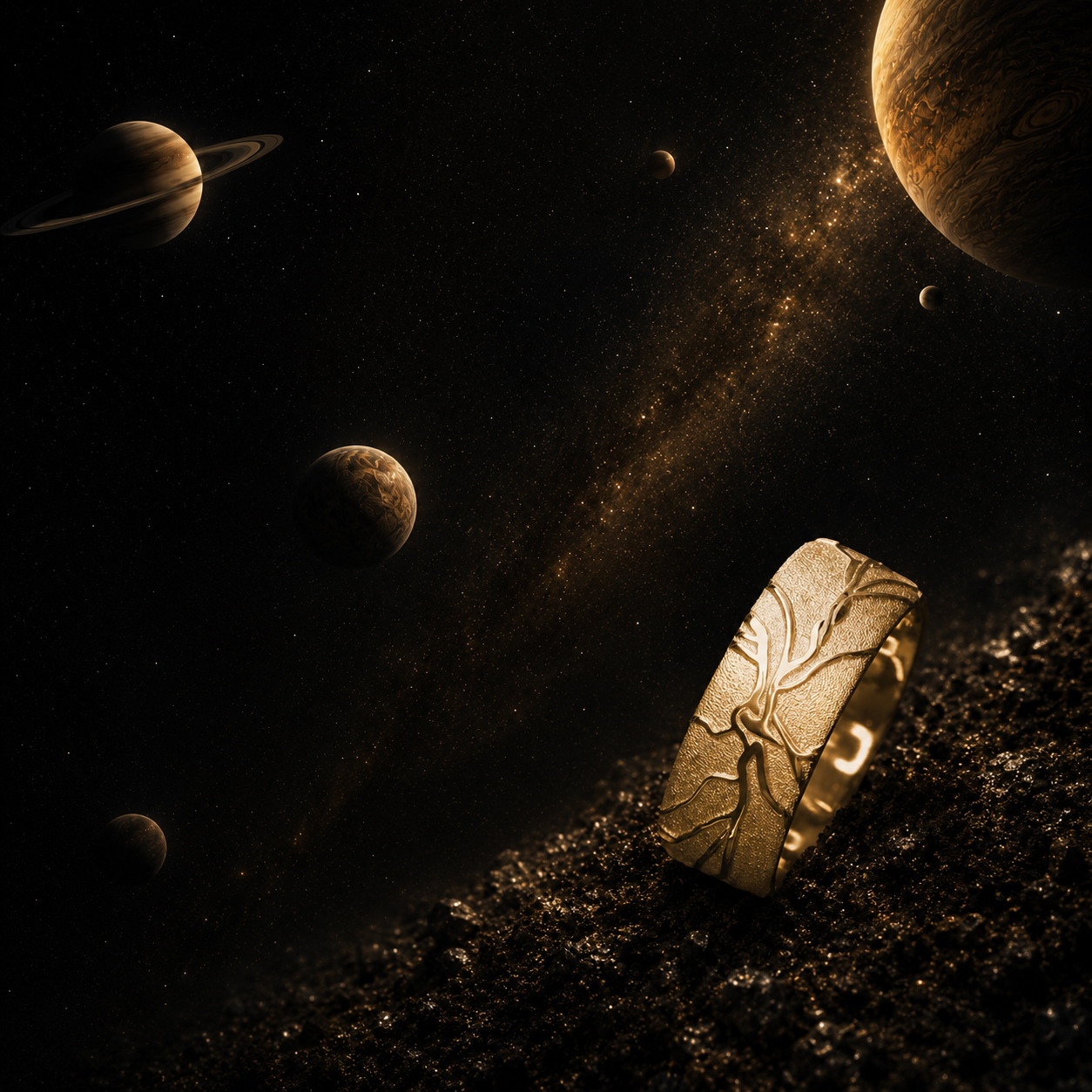
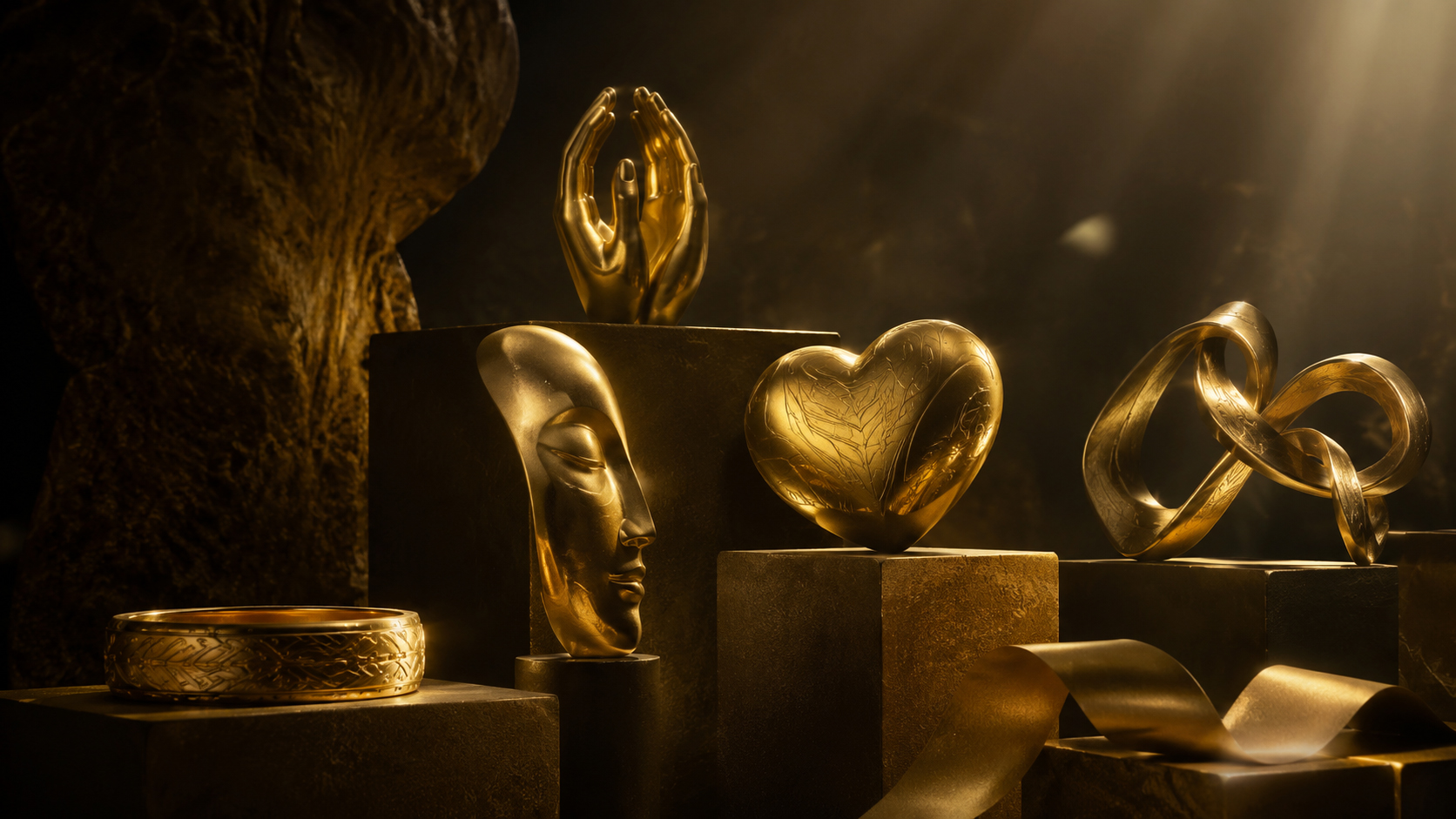



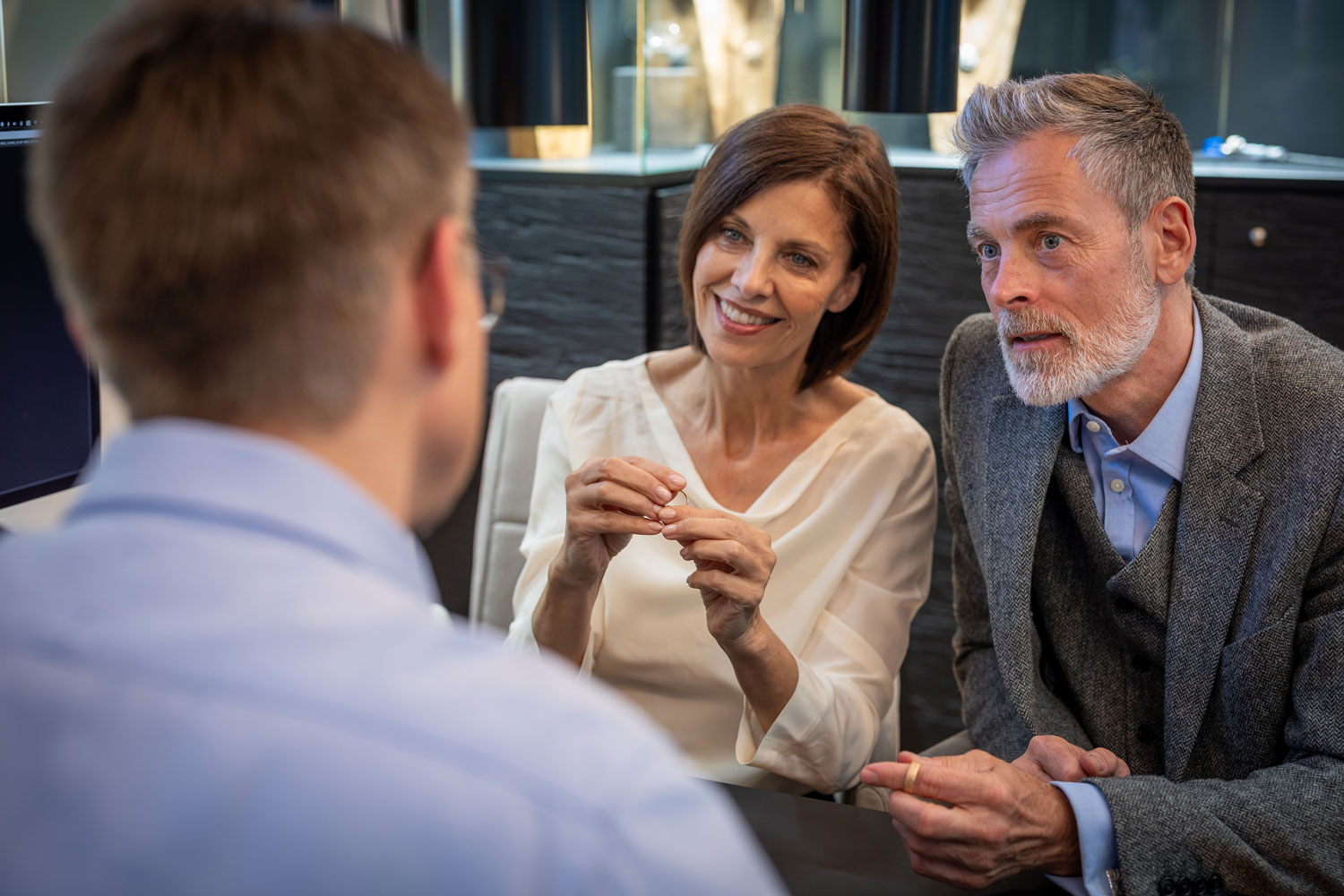
Which memory should accompany you?
When a memory is not meant to remain in a drawer, but to accompany you in everyday life, the RETINA® journey begins with a conversation about your story.
Book a consultationFrequently asked questions about memorial jewellery
Why do memories need objects?
Because memories are invisible and fragile: they change and grow less distinct. Objects do not store a memory, but they give us access to it – they become anchors of meaning.
Why do people wear memorial jewellery on the body?
Because certain memories are meant to accompany everyday life, not lie in a drawer. What is worn on the body remains close to life – and the story behind it remains present.
How does an object become a keepsake?
Through the story connected with it: a person, an encounter, a promise. The object does not change outwardly – but emotionally it becomes irreplaceable.
What is meaningful jewellery?
Meaningful jewellery does more than adorn: it carries a personal story, relationship, memory or identity.
What distinguishes symbolic jewellery from personal jewellery?
Symbolic jewellery generally uses universal signs. Personal jewellery connects meaning with a particular person or a unique story.
Why is RETINA® more than jewellery?
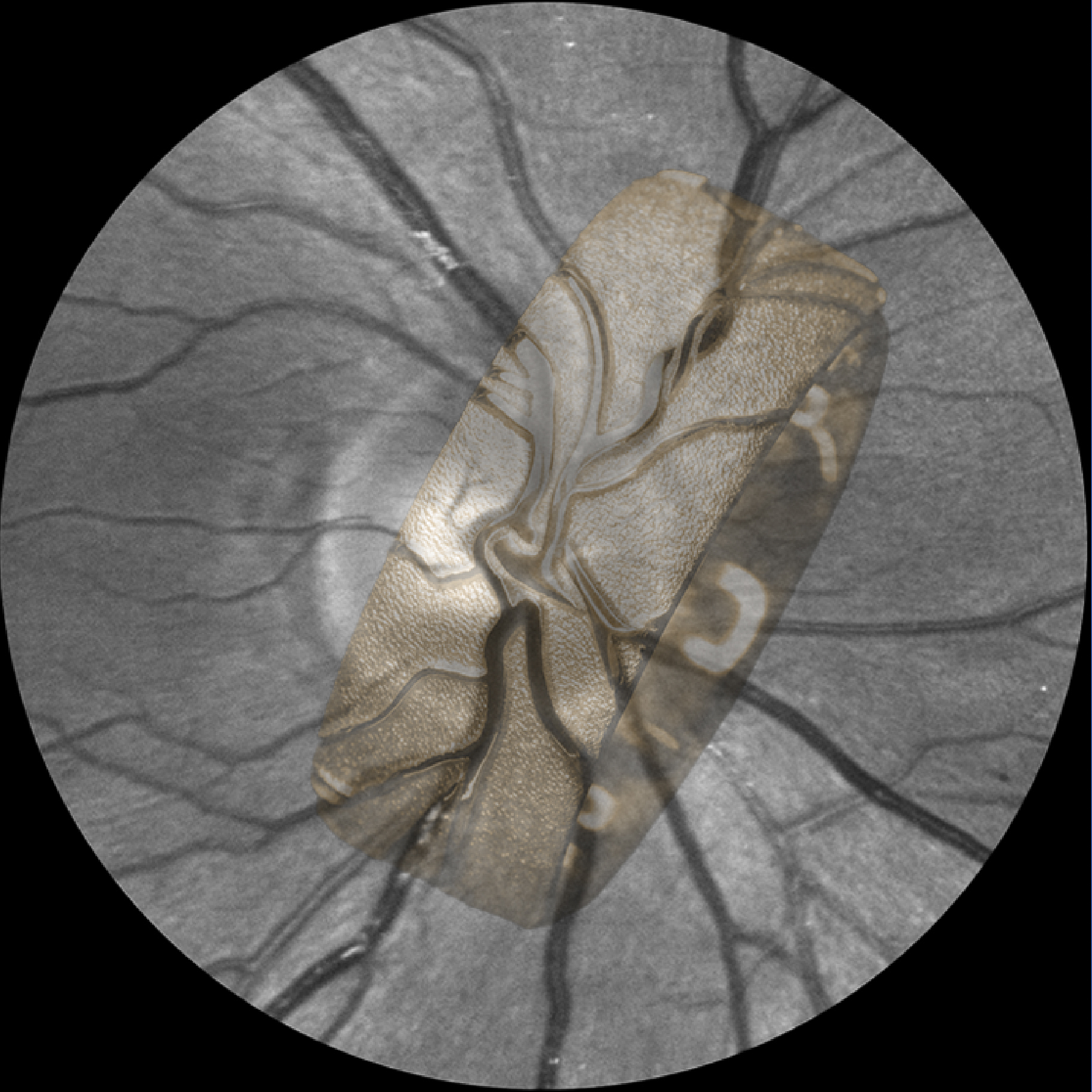
RETINA® transforms a person’s unique structure into a wearable signature in gold or platinum. Identity itself thereby becomes a symbol – an aesthetic element with hidden meaning.
What does RetinaSignatur mean?
RetinaSignatur is the artistic translation of the human retinal pattern into an unmistakably personal sign. It is not invented or chosen, but discovered.
Why is the RetinaSignatur mysterious?
It cannot be explained at first glance. To an outsider it appears to be a beautiful organic structure; to its wearer it carries an intimate meaning.
Why does RETINA® use gold and platinum?
Gold and platinum are durable, retain their value and can endure for generations. They are natural choices for heirloom-quality jewellery intended to last forever.
Who are these essays for?
For people who see jewellery not merely as an accessory, but as an expression of love, memory, identity or connection.
How are symbolism and wedding rings connected?
Wedding rings are among the most powerful examples of symbolic jewellery: they make a promise visible and accompany a relationship through the years.
Why are personal symbols more powerful than generic motifs?
Because they do not merely express an idea, but are connected to a particular person or experience. Many people may wear the same symbol, but every person has only one personal story.
How does this essay lead to the RETINA® concept?
It shows why people seek meaning in jewellery and why the RetinaSignatur offers an exceptionally personal answer to that search.